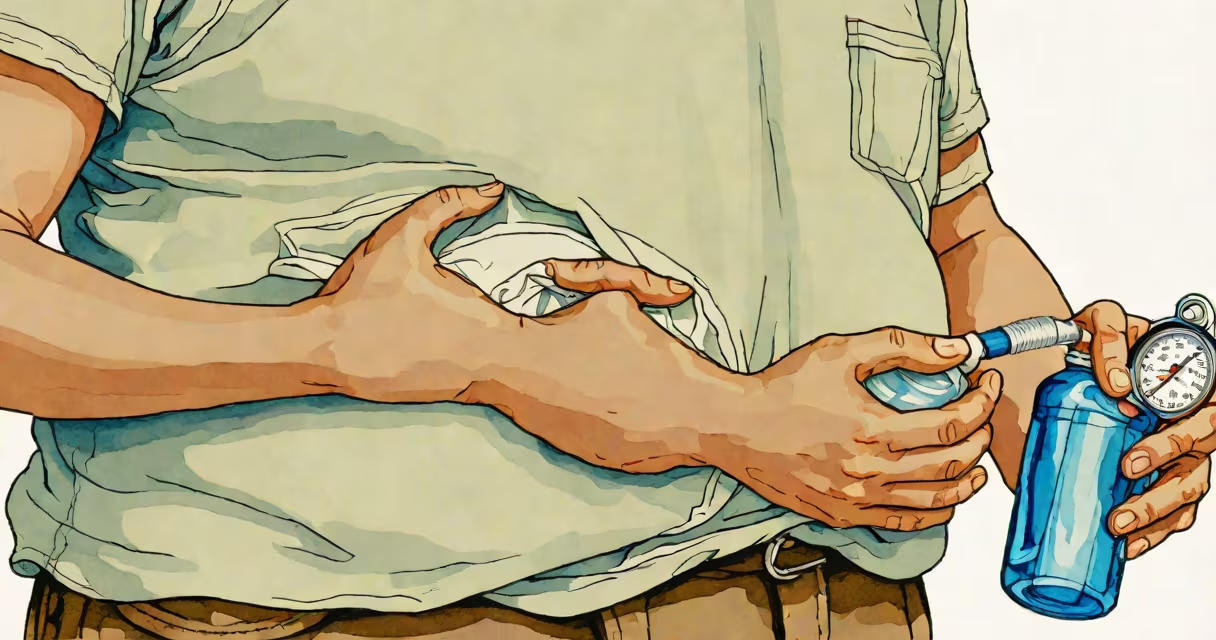
Stomach flu and stomach bug are interchangeable terms for viral gastroenteritis, an inflammation of the stomach and intestines caused by viruses like norovirus or rotavirus. The condition leads to nausea, vomiting, diarrhea, and abdominal cramps. Despite the name, it is unrelated to influenza, which affects the respiratory system.
Both terms refer to the same illness-viral gastroenteritis-but "stomach flu" is a misnomer. Influenza is a respiratory virus. The term "stomach bug" is informal and often used in casual conversation. Medical sources define the condition as viral gastroenteritis, emphasizing its cause and location.
According to the Centers for Disease Control and Prevention (CDC), norovirus accounts for 55% of acute gastroenteritis cases in adults and children in the U.S., while rotavirus remains a leading cause in young children. These viruses spread through contaminated food, water, or surfaces, not through the air like respiratory flu.
Viral gastroenteritis occurs when a virus enters the digestive tract and infects the lining of the small intestine. The virus replicates in intestinal cells, damaging their ability to absorb fluids and nutrients. This disruption leads to watery diarrhea, frequent vomiting, and cramping.
The immune system responds by triggering inflammation, which increases gut motility-resulting in rapid bowel movements. Dehydration becomes a risk when fluid loss exceeds intake, especially in infants, elderly people, and those with weakened immunity.
A 2021 study published in *The Lancet Infectious Diseases* found that norovirus outbreaks in closed settings like cruise ships, nursing homes, and schools have higher transmission rates due to close contact and shared facilities. Contaminated food, such as raw shellfish or improperly washed produce, is a common vector.
Several viruses cause stomach flu or bug symptoms. The most common are:
| Virus | Transmission Route | Peak Season | Typical Duration |
|---|---|---|---|
| Norovirus | Fecal-oral, aerosolized vomit, contaminated surfaces | Winter (Nov-Apr) | 12-48 hours |
| Rotavirus | Fecal-oral, poor hand hygiene | Winter-spring | 3-8 days |
| Adenovirus (types 40-41) | Oral-fecal, respiratory droplets | Year-round, peaks in fall | 5-14 days |
Rotavirus primarily affects children under five. The CDC recommends vaccination for infants, reducing severe cases by 85%. Norovirus affects all ages and spreads rapidly in group settings. Adenovirus is less common but can cause prolonged illness in immunocompromised individuals.
Non-viral causes-such as bacterial infections (e.g., Salmonella, E. coli) or parasites (e.g., Giardia)-are sometimes mistaken for stomach flu. These require antibiotics or antiparasitics and may last longer. A stool test can differentiate them from viral causes.
"Stomach flu" is frequently confused with influenza. Influenza causes fever, muscle aches, cough, and fatigue-symptoms not typical of viral gastroenteritis. Stomach flu lacks respiratory symptoms and rarely involves high fever.
Another misconception is that you can catch a stomach bug from being cold. Cold weather doesn't cause viral infection. However, winter months see higher norovirus activity due to indoor crowding and reduced ventilation. The virus survives on surfaces for days, making handwashing critical.
People often assume they're contagious only during vomiting. In reality, shedding begins before symptoms appear and continues for up to two weeks after recovery. The CDC advises staying home for at least 48 hours after symptoms stop to prevent spreading the virus.
In January 2023, a norovirus outbreak affected 120 passengers and crew on a Caribbean cruise. Symptoms began within 12 hours of boarding. Over 60% reported vomiting, 80% had diarrhea, and 40% experienced fever.
Investigation revealed contamination via a shared dining area. An infected staff member handled food without gloves. The ship's medical team isolated symptomatic guests, disinfected surfaces with bleach-based cleaners, and suspended buffet service for 72 hours.
Recovery was rapid: 90% of patients improved within 24 hours. No hospitalizations occurred. The incident highlights how easily norovirus spreads in enclosed spaces and underscores the importance of hygiene protocols.
Most cases resolve in 1-3 days with rest and hydration. Oral rehydration solutions (ORS) containing electrolytes are more effective than plain water. The World Health Organization (WHO) recommends ORS for mild to moderate dehydration.
Seek medical attention if symptoms include blood in stool, persistent vomiting, high fever (>102°F), or signs of dehydration like dry mouth, sunken eyes, or dizziness. Children and older adults are at higher risk.
I once treated a 72-year-old patient with severe dehydration from a norovirus infection. He had not eaten or drunk anything for 24 hours. After IV fluids and a 48-hour observation period, he recovered fully. His case reminded me that even brief illness can escalate quickly in vulnerable populations.
Stomach flu and stomach bug are synonymous terms for viral gastroenteritis, not related to influenza. Norovirus and rotavirus are the primary culprits. Transmission occurs through contact with contaminated surfaces or food.
Debunking myths-like catching a bug from cold weather-is essential. The illness is not airborne, but droplets from vomiting can spread the virus. Proper cleaning and isolation reduce transmission.