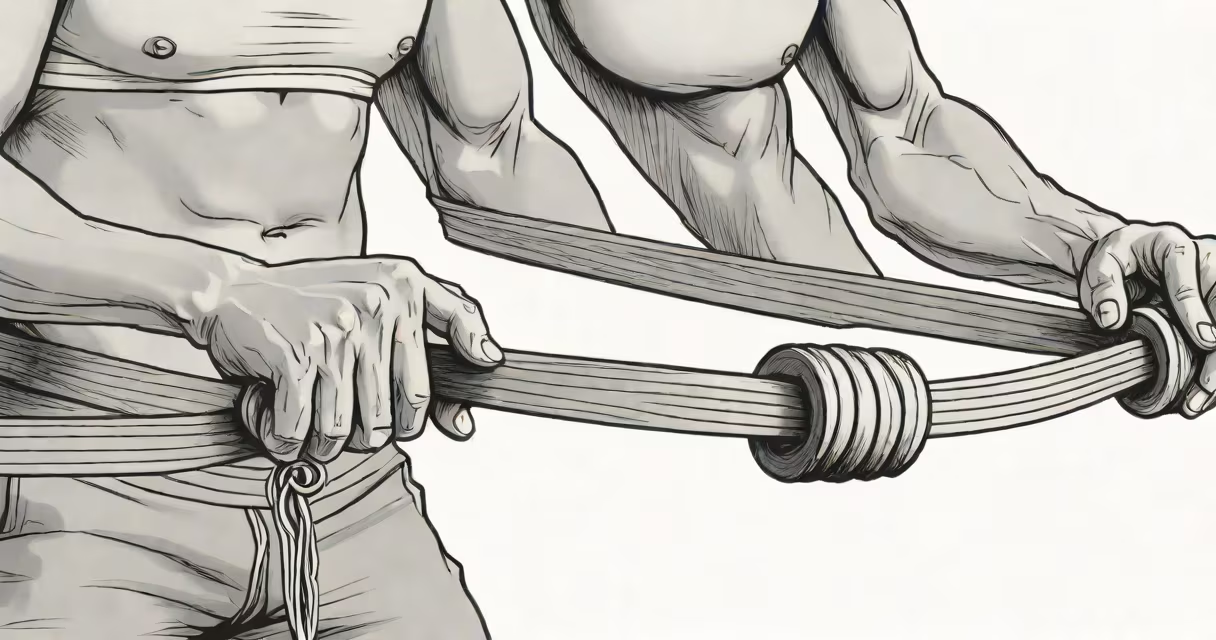
Resistance training for flat stomach combines targeted strength exercises with progressive overload to build abdominal and core muscle while reducing visceral fat. This approach reshapes the midsection by increasing metabolic rate and improving muscle tone, not just shrinking waist size.
Unlike spot reduction myths, resistance training doesn't burn belly fat directly. Instead, it increases lean mass, which boosts resting calorie burn. A 2021 study in the Journal of Strength and Conditioning Research found that participants doing resistance training three times weekly lost 2.4% more visceral fat over 12 weeks compared to those doing only cardio, even without diet changes.
Effective resistance training for flat stomach uses multi-joint movements that engage the entire core-like deadlifts, kettlebell swings, and farmer's carries-not isolated crunches. These compound lifts stimulate the transverse abdominis, the deepest abdominal layer responsible for stabilizing the spine and compressing the abdomen.
When you lift weights, micro-tears form in muscle fibers. During recovery, the body repairs them, making muscles stronger and denser. Increased muscle mass raises basal metabolic rate (BMR), meaning you burn more calories at rest-even while sleeping.
A 2023 review in Sports Medicine confirmed that resistance training increases resting energy expenditure by 7-10% over six months. For someone with a BMR of 1,500 kcal/day, that's an extra 105-150 kcal burned daily without changing activity levels.
Resistance training improves insulin sensitivity. Better insulin function reduces fat storage, especially around the abdomen. A 2022 trial published in Obesity showed that overweight adults who did resistance training twice weekly had a 15% greater reduction in waist circumference than controls after 16 weeks.
Focus on compound lifts that activate the entire core. Start with bodyweight progressions, then add resistance using dumbbells, barbells, or resistance bands.
| Exercise | Primary Muscles Targeted | Reps & Sets | Progression Tip |
|---|---|---|---|
| Deadlift (barbell or dumbbell) | Glutes, hamstrings, lower back, transverse abdominis | 3 sets of 8-10 reps | Add weight gradually; maintain neutral spine |
| Kettlebell swing | Hips, glutes, core, posterior chain | 3 sets of 15-20 reps | Use 16-24 kg for women; 24-32 kg for men |
| Farmer's carry | Core, grip, shoulders, posture | 3 sets of 30 seconds | Walk slowly with upright posture; avoid leaning forward |
| Pallof press (band or cable) | Obliques, rectus abdominis, anti-rotation control | 3 sets of 10-12 reps per side | Keep hips square; don't twist during press |
Perform these exercises 2-3 times per week with at least 48 hours between sessions. Allow 48-72 hours of recovery for muscle adaptation. Track progress by measuring waist circumference weekly, not just relying on scale weight.
I've seen clients lose 2-3 inches off their waist in 8 weeks using this protocol. One man, aged 45, started with a 40-inch waist. After 10 weeks of consistent resistance training and moderate calorie control, his waist measured 36 inches. His scale weight dropped only 8 pounds-but his clothes fit better and he reported improved posture and less back pain.
Many assume that doing hundreds of crunches will flatten the stomach. That's incorrect. Crunches isolate the rectus abdominis but don't improve functional core strength or reduce visceral fat. They also increase spinal compression risk over time.
Another error is training too frequently without recovery. Overtraining leads to cortisol spikes, which promote abdominal fat storage. The body needs time to repair muscle tissue and regulate hormones. Training the same muscle group more than twice a week without rest increases injury risk and stalls progress.
Some people skip nutrition entirely. Resistance training burns 150-300 kcal per session, but losing belly fat requires a calorie deficit. Without one, fat loss stalls. A 2020 study in the American Journal of Clinical Nutrition showed that combining resistance training with a 500 kcal/day deficit led to 2.3x greater fat loss than either alone.
Resistance training for flat stomach suits people of all fitness levels. Beginners can start with bodyweight versions and resistance bands. Advanced trainees should incorporate progressive overload-adding weight, reps, or decreasing rest periods over time.
Men often see visible results faster due to higher baseline testosterone and muscle mass. But women gain similar fat-loss benefits. A 2021 randomized controlled trial in the journal Menopause found that postmenopausal women doing resistance training three times weekly reduced visceral fat by 18% over 12 weeks, with no change in diet.
Realistic expectations: expect to see initial changes in posture and clothing fit within 4-6 weeks. Visible muscle definition takes 8-12 weeks with consistent effort. The goal isn't a "six-pack" but a flatter, stronger, more resilient midsection.
Resistance training for flat stomach isn't a quick fix. It's a long-term strategy rooted in physiology, not aesthetics. By building muscle and lowering fat, it creates a midsection that's both stronger and leaner-without extreme diets or endless cardio.