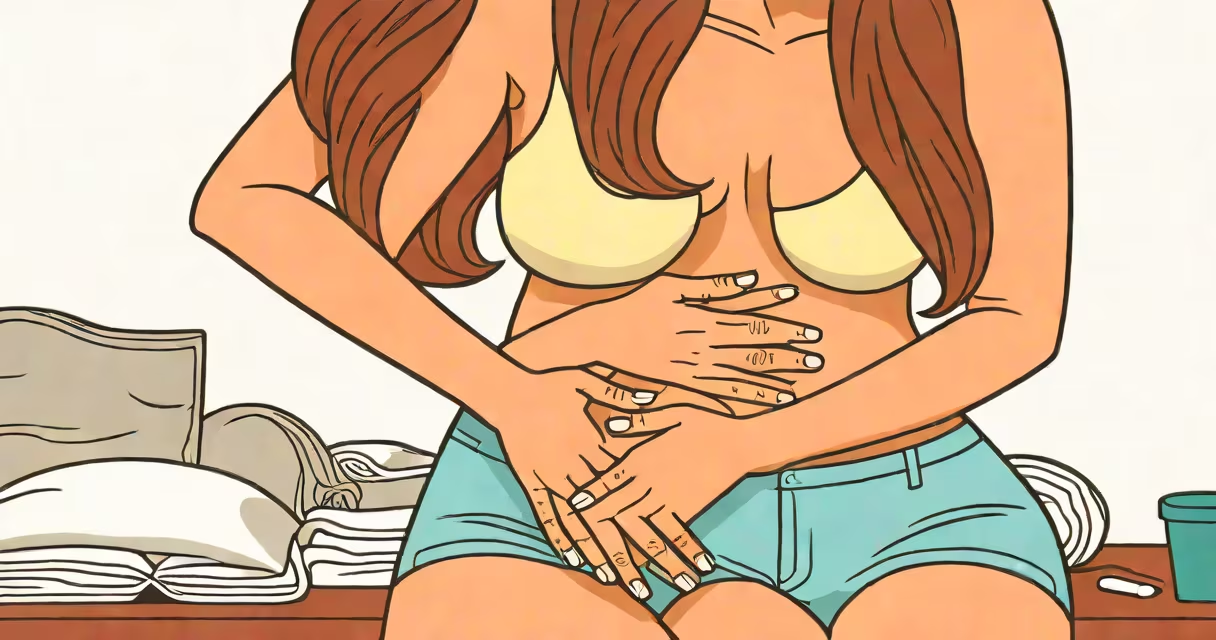
Period cramps result from uterine contractions triggered by prostaglandins, hormone-like substances that cause the uterus to tighten and relax during menstruation. These contractions help expel the uterine lining but can reduce blood flow to the area, causing pain. While mild cramping is common, severe or worsening pain may indicate an underlying condition.
Prostaglandins are the primary drivers of menstrual pain. When levels rise during the menstrual cycle, they stimulate strong contractions in the uterine muscle. High concentrations of prostaglandins correlate with increased pain severity. A 2021 study published in *The Journal of Clinical Endocrinology & Metabolism* found that women with moderate to severe dysmenorrhea had higher prostaglandin E2 levels in their menstrual fluid compared to those with mild symptoms.
Uterine contractions occur in waves, lasting 15 to 90 seconds, and typically peak within the first 24 hours of bleeding. The intensity depends on contraction strength and frequency. When contractions are too forceful or prolonged, they compress small blood vessels in the uterus, reducing oxygen supply to tissues-a process called ischemia. This lack of oxygen triggers pain signals through nerve pathways to the brain.
| Type of Cramp | Timing | Common Cause | Typical Duration |
|---|---|---|---|
| Mild to moderate | Starts 1-2 days before period | Normal prostaglandin release | 1-3 days |
| Severe | Day 1-2 of bleeding | High prostaglandin levels, endometriosis | 3-5 days |
| Chronic or worsening | Any time, often worsens over years | Endometriosis, adenomyosis, fibroids | Persistent or recurring |
While most cramping stems from normal hormonal shifts, certain medical conditions amplify pain. Endometriosis occurs when tissue similar to the uterine lining grows outside the uterus-on ovaries, fallopian tubes, or pelvic lining. This tissue bleeds during periods, causing inflammation, scarring, and intense pain. The American Society for Reproductive Medicine estimates that 6-10% of reproductive-aged women have endometriosis, and nearly 70% of affected individuals report severe period cramps.
Adenomyosis is another condition where endometrial tissue invades the muscular wall of the uterus. This leads to a thickened, enlarged uterus and heavy, painful periods. Ultrasound studies show that women with adenomyosis often have a uterus that's 25% larger than average, with abnormal blood flow patterns contributing to cramping. Fibroids-noncancerous growths in the uterine wall-can also distort the uterine cavity and increase pressure during contractions.
A common misconception is that cramps are purely psychological or "just part of being a woman." This belief delays diagnosis and treatment. In reality, severe cramps are a physiological signal. One study in *Obstetrics & Gynecology* found that 40% of women with chronic pelvic pain were initially told their symptoms were "normal" before receiving a correct diagnosis.
I once observed a patient in a clinic who reported cramps so intense she missed work for five days each month. She had been prescribed ibuprofen and told to "tough it out" for years. After a transvaginal ultrasound revealed multiple fibroids and signs of adenomyosis, she began hormonal therapy and saw a 70% reduction in pain within six months. Her story underscores that persistent cramping is not inevitable.
Cramps leading up to a period often stem from rising progesterone and estrogen levels. Progesterone increases sensitivity to pain receptors in the pelvis. A 2019 study in *Pain* journal showed that women in the luteal phase (pre-menstrual) had lower pain thresholds and higher reports of cramping, even before bleeding begins. This phase can last 7-10 days and is marked by bloating, mood changes, and breast tenderness alongside cramping.
Effective management includes NSAIDs like ibuprofen, which inhibit prostaglandin synthesis. Combined oral contraceptives regulate hormone levels and reduce menstrual volume. Heat therapy applied to the lower abdomen can ease muscle tension. Lifestyle factors such as regular exercise and reduced caffeine intake also correlate with milder symptoms, according to a 2020 review in *BMJ Open*.
Understanding the biological basis of reasons for period cramps helps distinguish normal discomfort from pathological pain. Prostaglandins drive the process, but persistent or escalating cramps suggest a deeper issue. Early evaluation improves outcomes and prevents long-term complications like infertility or chronic pain syndromes.
Recognizing the difference between typical menstrual pain and warning signs ensures timely care. If cramps disrupt your routine or change in pattern, seek medical guidance. Addressing the root cause offers better relief than relying solely on symptom suppression.