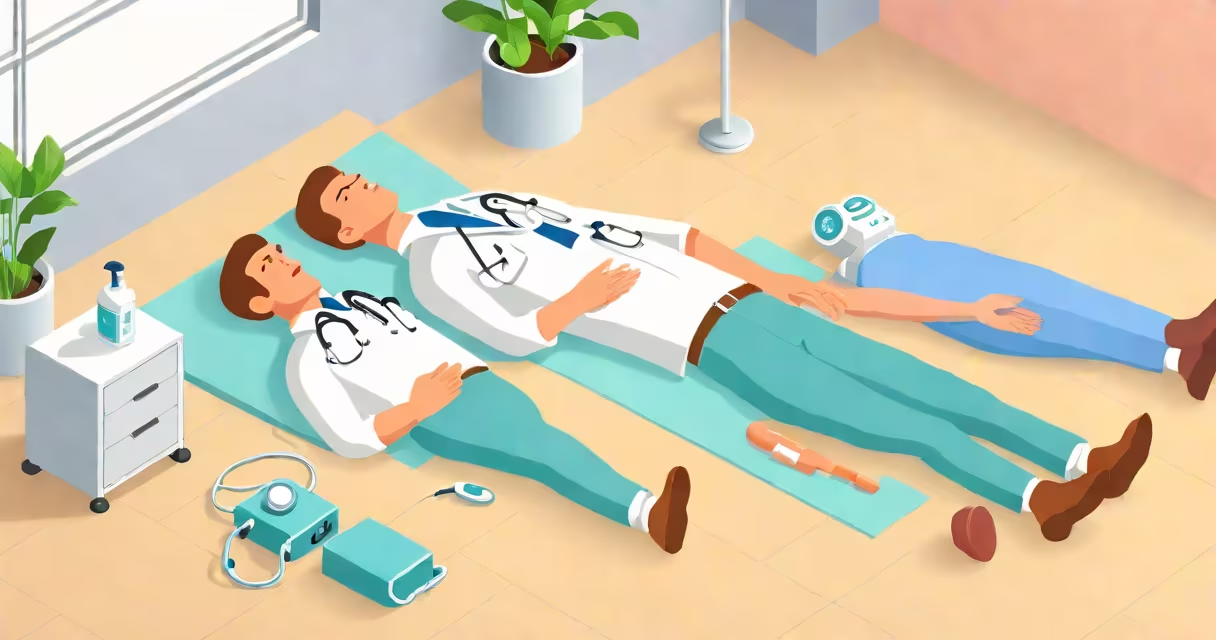
Fainting, medically known as syncope, happens when blood flow to the brain drops sharply, causing a brief loss of consciousness. It typically lasts seconds to minutes and resolves quickly with rest. This condition affects about 40% of people at least once in their lifetime, according to the American Heart Association.
Syncope results from a sudden drop in blood pressure or heart rate, disrupting oxygen delivery to the brain. Most episodes are harmless and resolve without treatment. However, recurrent fainting may signal underlying cardiovascular or neurological conditions requiring evaluation.
The most frequent cause is vasovagal syncope-triggered by emotional stress, pain, or prolonged standing. Other causes include dehydration, medication side effects, arrhythmias, and structural heart disease. A 2021 study in the journal Circulation found that 75% of unexplained fainting cases were due to benign neurocardiogenic mechanisms.
Fainting begins when the autonomic nervous system misfires. Normally, it maintains blood pressure by adjusting heart rate and vessel tone. During a faint, signals override normal regulation, leading to widespread vasodilation and bradycardia (slow heart rate).
This combination reduces cardiac output and cerebral perfusion. Within seconds, the brain's oxygen supply drops below the threshold needed for wakefulness. Loss of muscle tone follows, resulting in collapse-a protective reflex that improves blood flow to the brain by placing the body horizontally.
Recovery usually takes less than a minute. Blood pressure returns to normal as the body redistributes blood through gravity and autonomic feedback. People often report dizziness, lightheadedness, or tunnel vision before losing consciousness.
Healthcare providers classify fainting into categories based on mechanism:
| Type | Trigger | Prevalence | Key Risk Factors |
|---|---|---|---|
| Vasovagal | Emotional stress, pain, fear, prolonged standing | ~70% | Young adults, history of fainting episodes |
| Orthostatic | Standing up too fast | ~15% | Dehydration, aging, certain medications (e.g., antihypertensives) |
| Cardiac | Arrhythmias, structural heart disease | ~10% | History of heart disease, family history of sudden death |
| Neurological | Seizures, rare brain disorders | <1% | Abnormal EEG findings, neurological deficits |
For example, a 22-year-old student fainted during a school assembly after standing still for 20 minutes. She reported feeling warm, dizzy, and nauseous before collapsing. After lying down, she regained consciousness within 30 seconds. This presentation fits vasovagal syncope-common in healthy young individuals exposed to prolonged upright posture.
Orthostatic hypotension is more common in older adults. A 68-year-old man fainted while getting out of bed. His blood pressure dropped from 130/80 mmHg to 90/60 mmHg upon standing. He had recently started taking amlodipine for hypertension. This scenario illustrates how medication-induced hypotension can trigger syncope.
Fainting is not the same as seizures. While both involve loss of consciousness, seizures are caused by abnormal electrical activity in the brain. Fainting lacks the rhythmic jerking movements seen in tonic-clonic seizures. Post-ictal confusion after a seizure differs from the rapid recovery typical of fainting.
Another misconception is that fainting always indicates a serious heart problem. Only about 10% of fainting episodes stem from cardiac causes. The majority are benign and related to blood vessel regulation. The European Society of Cardiology notes that most patients with syncope have no significant mortality risk over five years.
A non-obvious distinction: some people faint during or after exercise. This is not typical exertional syncope-it's often due to inadequate fluid intake or poor posture during cool-down. One study tracked 120 runners at a marathon; 14% reported dizziness or fainting, mostly during the cooldown phase. Dehydration and venous pooling were identified as primary contributors.
Fainting once in a lifetime during a stressful event is usually not concerning. But red flags include fainting during physical exertion, chest pain, palpitations, or a family history of sudden cardiac death. These warrant urgent evaluation.
I once observed a 35-year-old woman faint during a routine dental visit. She had no prior history. After lying down and drinking water, she recovered. Her doctor later diagnosed her with vasovagal syncope triggered by needle anxiety. She learned to manage it with breathing techniques and avoided prolonged standing in waiting rooms.
Simple preventive steps include staying hydrated, avoiding long periods of standing, and rising slowly from sitting or lying positions. For people prone to fainting, wearing compression stockings or practicing the Valsalva maneuver (bearing down gently) can improve stability.
Fainting is a symptom, not a diagnosis. Understanding the reason people faint helps distinguish between harmless events and those needing intervention. Most cases are brief and resolve without lasting harm. But accurate identification ensures safety and prevents unnecessary worry.