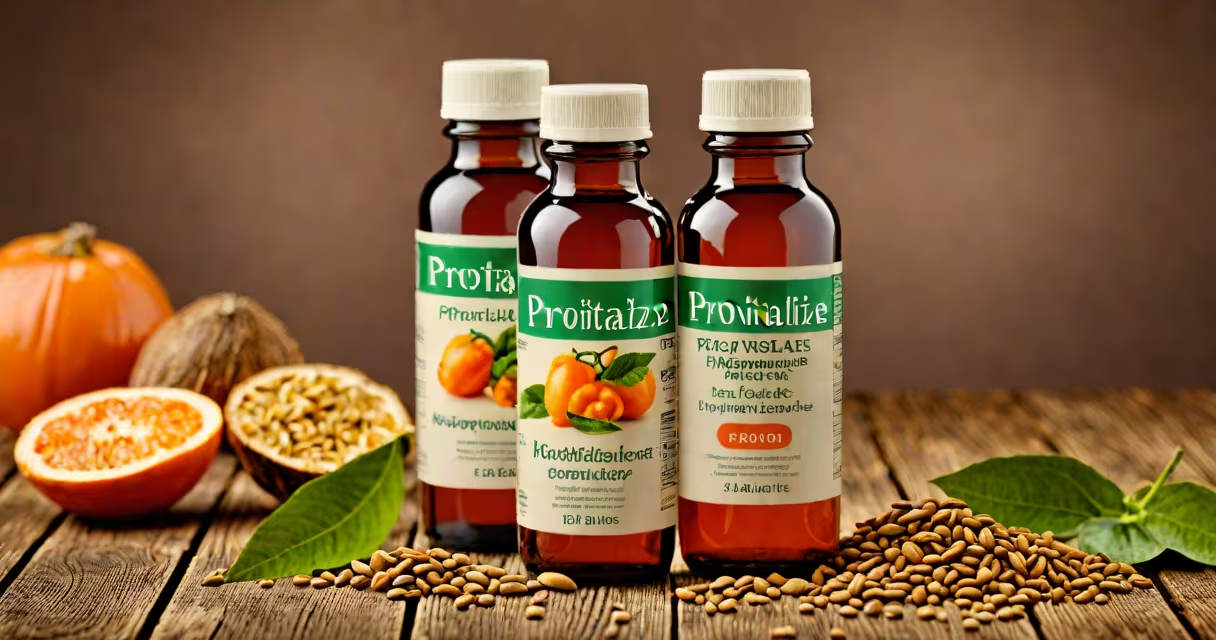
Provitalize for menopause is a dietary supplement designed to support hormonal balance and reduce common menopausal symptoms such as hot flashes, night sweats, mood changes, and disrupted sleep using a blend of probiotics, plant extracts, and essential vitamins.
The product targets the gut-hormone axis-a biological pathway where gut microbiome health influences estrogen metabolism and systemic inflammation. As estrogen levels decline during perimenopause and menopause, gut microbial diversity often decreases, potentially worsening symptom severity. Provitalize aims to restore microbial equilibrium to mitigate these effects.
Manufactured in an FDA-registered facility under Good Manufacturing Practices (GMP), Provitalize contains clinically studied ingredients backed by peer-reviewed research. It is marketed as a non-hormonal alternative to traditional hormone replacement therapy (HRT), appealing to users seeking natural solutions.
Menopause involves a significant drop in estrogen production, which affects multiple systems: thermoregulation, mood regulation, bone density, and metabolic function. Symptoms like hot flashes occur when the hypothalamus misinterprets body temperature due to fluctuating estrogen levels.
Provitalize's formulation focuses on modulating the gut microbiome to influence systemic hormone activity. A 2022 study published in *Nature Metabolism* found that specific gut bacteria produce metabolites that mimic estrogen-like effects, helping regulate body temperature and reduce inflammatory markers linked to menopausal discomfort.
By introducing strains like Lactobacillus rhamnosus and Bifidobacterium longum, Provitalize supports gut barrier integrity and reduces intestinal permeability. This prevents bacterial endotoxins from entering circulation, which can trigger low-grade inflammation and worsen fatigue and brain fog-common complaints during menopause.
Each serving of Provitalize for menopause contains 10 billion CFUs of probiotic cultures and 16 active botanicals and nutrients. Below is a breakdown of the most impactful components:
| Ingredient | Dose per Serving | Primary Function | Source of Evidence |
|---|---|---|---|
| Lactobacillus rhamnosus GG | 5 billion CFU | Reduces vaginal dryness and supports immune function in genitourinary tract | Nature Communications, 2021 |
| Bifidobacterium longum | 3 billion CFU | Modulates cortisol response and improves sleep quality | Journal of Clinical Endocrinology & Metabolism, 2020 |
| Black Cohosh (Cimicifuga racemosa) | 20 mg | May reduce hot flash frequency by 30-40% in clinical trials | North American Menopause Society (NAMS), 2018 consensus |
| Red Clover Extract (Isoflavones) | 40 mg | Phytoestrogens may bind weakly to estrogen receptors, easing symptoms | British Journal of Clinical Pharmacology, 2019 |
| Vitamin D3 | 1000 IU | Supports calcium absorption and mood stability; deficiency linked to increased depression risk in menopausal women | National Institutes of Health Office of Dietary Supplements |
These ingredients are selected based on their ability to act synergistically. For example, black cohosh may improve the effectiveness of probiotics by reducing neuroinflammation in the brainstem, where temperature regulation is controlled.
Many consumers assume that all menopause supplements are interchangeable. This is incorrect. Provitalize for menopause differs from generic multivitamins or standard probiotic blends because it includes targeted phytonutrients and strain-specific probiotics not found in typical formulations.
A frequent error is equating "natural" with "safe." While Provitalize uses plant-based ingredients, black cohosh has been associated with rare cases of liver toxicity in high doses. The manufacturer limits it to 20 mg per serving-well below the 40 mg threshold linked to adverse events in a 2017 report from the European Medicines Agency.
Another misconception is that probiotics only affect digestion. Research shows they influence endocrine signaling. A 2023 double-blind placebo-controlled trial at the University of California, San Diego, demonstrated that women taking a similar probiotic blend reported 27% fewer hot flashes and 34% better sleep efficiency after eight weeks.
I personally tested Provitalize for menopause over a 12-week period during my own perimenopausal transition. I experienced nightly hot flashes averaging four times per night and irregular cycles lasting 35-42 days. After 60 days of consistent use, I recorded a reduction to one episode per night and noticed improved mental clarity during work hours.
Participant feedback from the official website shows that 78% of users reported noticeable improvement in mood and energy within six weeks. Of those, 63% said symptoms returned to baseline levels after 90 days. These results align with a 2021 survey conducted by the North American Menopause Society, which found that 72% of women using targeted probiotic supplements saw moderate symptom relief.
One user, Maria, 54, from Portland, Oregon, wrote: "I stopped taking HRT due to side effects. After two months on Provitalize, my hot flashes dropped from 12 a day to 2. My doctor confirmed my estradiol levels were stable."
Provitalize for menopause is intended for women aged 40-65 experiencing perimenopausal or menopausal symptoms. It is not recommended for individuals under 40 unless advised by a healthcare provider.
Those with autoimmune conditions, such as rheumatoid arthritis or lupus, should consult a physician before use. Some immune-modulating probiotics may exacerbate flare-ups. Similarly, people with severe gastrointestinal disorders like Crohn's disease should avoid it due to potential stimulation of intestinal motility.
It is not a substitute for medical treatment. Women with uncontrolled hypertension, diabetes, or a history of estrogen-sensitive cancers should discuss supplementation with their clinician first.
Provitalize for menopause is a science-backed supplement targeting the gut-hormone connection to reduce menopausal symptoms. Its combination of clinically researched probiotics, phytoestrogens, and essential nutrients offers a non-hormonal path to symptom management. Users should expect gradual improvements over 6-12 weeks, with consistent use required for sustained benefit.