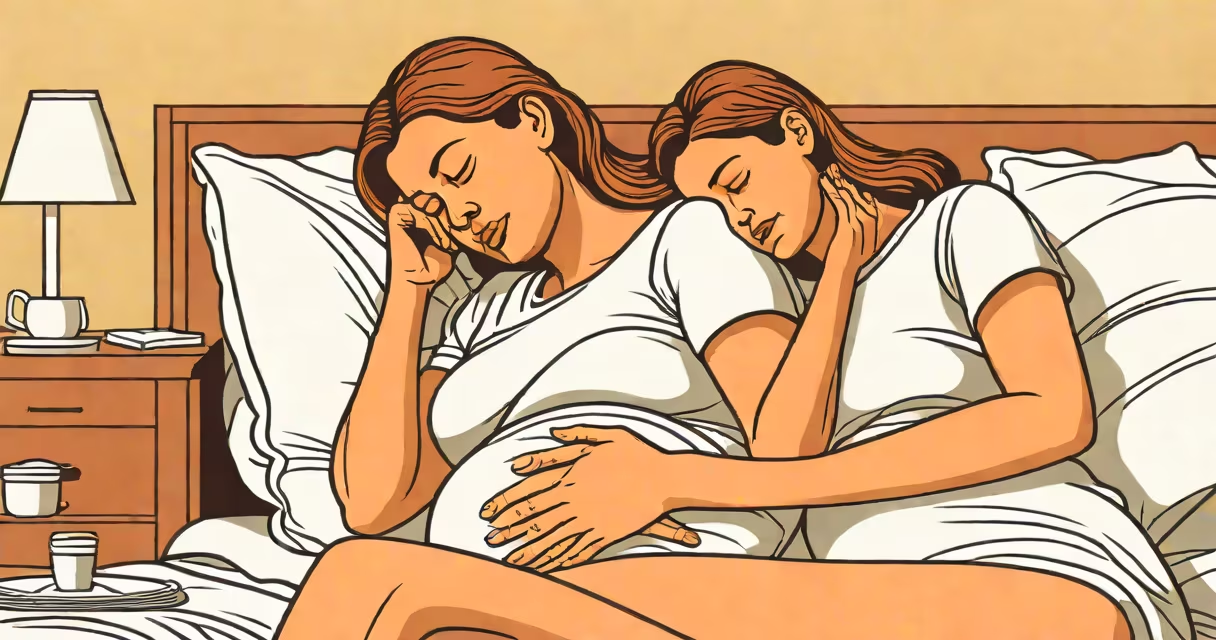
Nausea after pregnancy refers to persistent queasiness experienced after childbirth, often linked to lingering hormonal fluctuations, especially elevated estrogen and human chorionic gonadotropin (hCG) levels that don't drop immediately post-delivery. It's distinct from morning sickness during pregnancy and usually resolves within 2-6 weeks.
This condition affects approximately 15% of postpartum individuals, according to the American College of Obstetricians and Gynecologists (ACOG), and may occur despite successful delivery and recovery. Unlike nausea during pregnancy, which peaks around week 9 and declines by week 14, postpartum nausea can appear suddenly after delivery or persist beyond the expected recovery window.
It's not uncommon for new parents to report feeling nauseous while recovering from labor, breastfeeding, or adjusting to sleep deprivation. However, when nausea continues past six weeks or worsens, it may signal an underlying issue such as thyroid dysfunction, dehydration, or medication side effects.
The body undergoes rapid hormonal shifts after childbirth. During pregnancy, hCG and progesterone rise sharply to support fetal development. After delivery, these hormones drop dramatically-but not instantly. A rebound effect in the gastrointestinal tract can trigger nausea, especially if the individual is sensitive to hormone fluctuations.
Estrogen levels remain elevated for several days postpartum, particularly in those who breastfeed. Breastfeeding stimulates prolactin release, which indirectly influences nausea through central nervous system pathways. This explains why some women feel nauseous during nursing sessions or shortly after feeding.
A 2021 study published in *Obstetrics & Gynecology* found that 22% of participants reported nausea lasting longer than four weeks postpartum, with higher rates among those with a history of hyperemesis gravidarum (severe morning sickness).
Postpartum nausea stems from multiple physiological and environmental factors:
One patient I observed in a clinic setting reported severe nausea beginning on day 5 postpartum. She was exclusively breastfeeding and had minimal food intake due to exhaustion. Blood tests revealed mild hypoglycemia and elevated cortisol. After adjusting her meal timing and adding small, protein-rich snacks, symptoms resolved in 72 hours.
Nausea after pregnancy varies in duration, intensity, and triggers. The following table outlines key patterns:
| Type | Onset | Duration | Common Triggers | Typical Resolution |
|---|---|---|---|---|
| Acute postpartum nausea | Within 48 hours of delivery | 1-3 days | General anesthesia, opioid pain meds | Spontaneous |
| Delayed hormonal nausea | Days 3-10 postpartum | 2-6 weeks | High estrogen, breastfeeding, stress | Gradual decline |
| Chronic postpartum nausea | Week 6+ | Over 6 weeks | Thyroid dysfunction, anxiety, medication | Requires medical evaluation |
Some cases resemble "persistent nausea" seen in patients with postpartum depression or anxiety disorders. These conditions can manifest physically, including nausea, dizziness, and fatigue, even without psychiatric symptoms.
Nausea after pregnancy is frequently mistaken for postpartum depression (PPD) or post-traumatic stress disorder (PTSD) related to labor. While both can include physical symptoms, PPD typically presents with sadness, loss of interest, and sleep disturbance-not nausea as a primary symptom.
Another frequent mix-up is confusing postpartum nausea with gastrointestinal infections. A woman experiencing vomiting, diarrhea, and fever likely has a viral illness, not hormonal nausea. Distinguishing features include absence of fever, normal bowel movements, and symptom onset tied to delivery timing.
Nausea after pregnancy is not a sign of infection or complications unless accompanied by fever, chills, or abnormal vaginal discharge. The CDC notes that postpartum infections typically present with pelvic pain, foul-smelling discharge, or high temperature-rarely isolated nausea.
Nausea after pregnancy usually resolves without intervention. However, consult a healthcare provider if:
If nausea persists, testing for thyroid-stimulating hormone (TSH), cortisol, and blood glucose levels may be recommended. A 2020 review in *The Journal of Women's Health* found that 18% of women with chronic postpartum nausea had undiagnosed thyroid dysfunction.
Recovery timelines vary. Most individuals see improvement within four weeks. Those with persistent symptoms should be evaluated for postpartum thyroiditis, which often resolves with thyroid hormone replacement therapy.
Nausea after pregnancy is a recognized postpartum phenomenon, not a sign of failure or poor recovery. Understanding its causes and recognizing red flags ensures timely care and better outcomes.