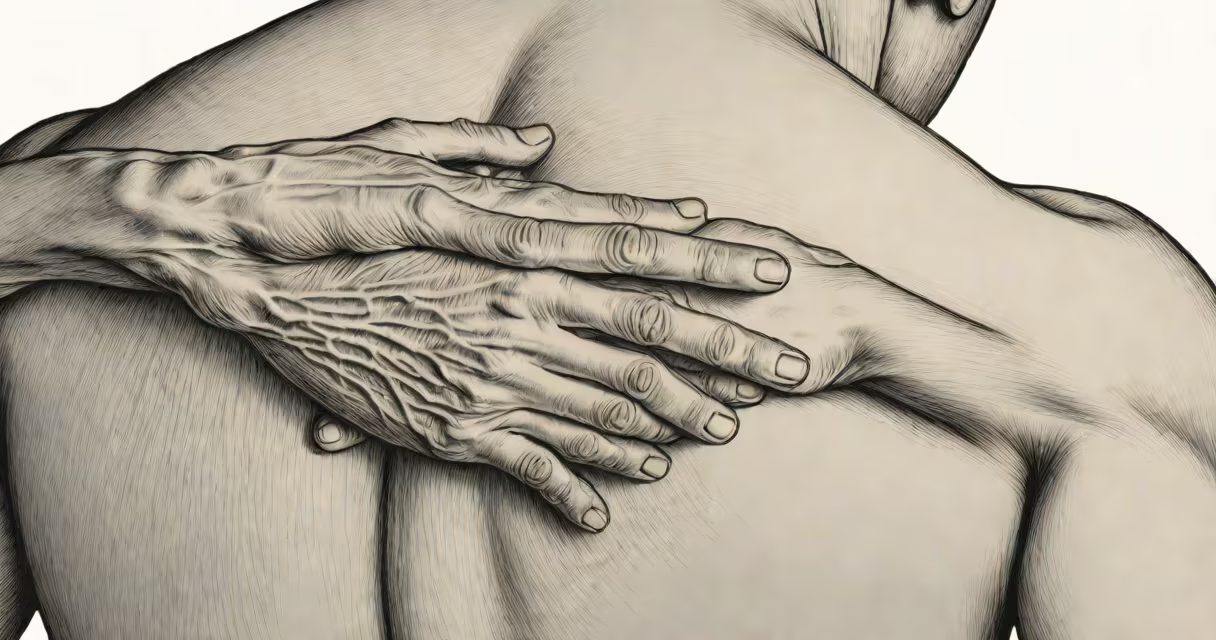
muscle pain stiffness refers to aching, tight, or rigid sensations in muscles following physical activity, injury, or prolonged inactivity. It results from microtears in muscle fibers, inflammation, or nerve irritation, typically lasting 24 to 72 hours after strain.
This condition commonly arises after unaccustomed exercise, such as lifting weights or running a long distance. It may also stem from poor posture during work or sleep, dehydration, electrolyte imbalances, or underlying medical issues like fibromyalgia or hypothyroidism. While usually mild and self-resolving, persistent or worsening stiffness warrants evaluation.
According to the American Council on Exercise (ACE), delayed onset muscle soreness (DOMS)-a form of muscle pain stiffness-peaks 24 to 48 hours after intense activity and resolves within 72 hours. ACE notes that DOMS is not caused by lactic acid buildup, a long-held myth debunked by research published in the Journal of Physiology.
Muscle pain stiffness begins when muscle fibers sustain microscopic damage during eccentric contractions-when muscles lengthen under load, such as lowering a weight or descending stairs. This damage triggers local inflammation, swelling, and activation of nociceptors (pain-sensing nerves).
As inflammatory mediators like prostaglandins and cytokines accumulate, they sensitize nerve endings, amplifying pain signals sent to the spinal cord and brain. This process explains why stiffness often worsens after rest, when blood flow increases and inflammatory fluid builds in tissues.
A 2021 study in the European Journal of Applied Physiology confirmed that muscle stiffness correlates with elevated levels of creatine kinase (CK), a marker of muscle cell membrane disruption. Participants who performed novel resistance exercises showed CK levels peaking 24 hours post-exercise, aligning with peak stiffness reports.
Not all muscle pain stiffness stems from exercise. Common triggers include:
Stiffness varies in presentation. Acute stiffness appears suddenly after trauma or overexertion. Chronic stiffness persists beyond 3 weeks and may indicate systemic disease. Localized stiffness affects one area, while generalized stiffness involves multiple muscle groups.
| Type | Onset | Duration | Typical Cause |
|---|---|---|---|
| Delayed Onset (DOMS) | 24-48 hrs | 3-5 days | New exercise routine |
| Acute Traumatic | Immediate | 1-2 weeks | Strain, sprain, fall |
| Chronic Generalized | Gradual | Weeks to months | Fibromyalgia, hypothyroidism |
While most muscle pain stiffness resolves without treatment, certain signs suggest a more serious issue. These include:
One example: a 42-year-old office worker reported severe lower back stiffness after lifting boxes. Over three days, pain intensified and radiated down his left leg. He developed numbness in his foot. MRI revealed a herniated disc compressing the sciatic nerve. His stiffness was not DOMS-it was neurological compression.
Another case involved a 55-year-old woman with persistent muscle stiffness across her neck, shoulders, and thighs. Blood tests revealed elevated thyroid-stimulating hormone (TSH), confirming hypothyroidism. After starting levothyroxine, stiffness improved within six weeks. This illustrates that muscle pain stiffness can signal endocrine dysfunction.
Many assume muscle pain stiffness results from lactic acid accumulation. This is incorrect. Lactate clears from muscles within minutes after exercise. Research from the University of Copenhagen shows lactate actually serves as a fuel source during recovery and may reduce fatigue.
Another myth is that stretching prevents stiffness. A 2016 Cochrane review analyzed 11 trials involving 1,200 participants and found no significant difference in DOMS between those who stretched before or after exercise versus controls. Stretching may improve flexibility but does not prevent soreness.
I once observed a client perform a 50-minute high-intensity interval session, then stretch for 15 minutes. She still experienced severe stiffness the next day. Her recovery was faster when she increased protein intake and added light walking-active recovery outperformed static stretching.
For mild cases, apply heat or cold within the first 48 hours. Cold reduces inflammation; heat improves circulation. Light movement-walking, gentle yoga-promotes blood flow and speeds recovery. Hydration and electrolyte balance support muscle function.
Protein intake around exercise aids repair. The International Society of Sports Nutrition recommends 20-40 grams of high-quality protein within two hours post-workout. A 2020 study in Nutrients found athletes consuming whey protein after training reported 25% less stiffness compared to placebo groups.
muscle pain stiffness is a common physiological response to stress on muscle tissue. Most episodes resolve within days with rest, hydration, and light activity. Recognizing when stiffness signals deeper pathology ensures timely care and prevents unnecessary suffering.