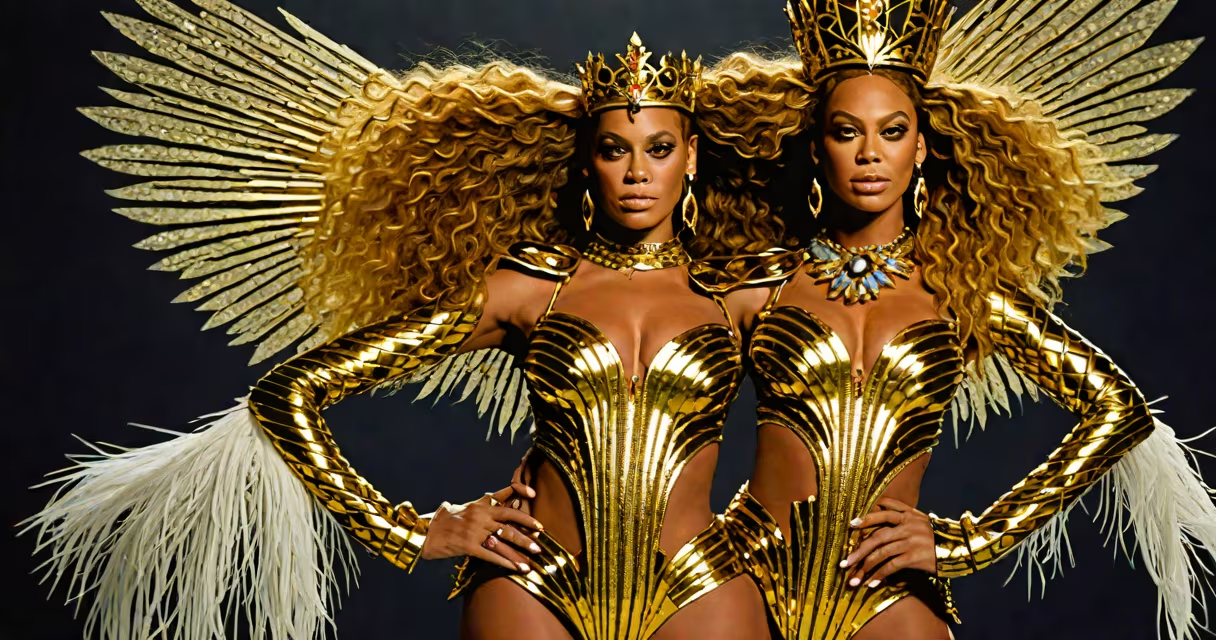
The most influential artists of the 21st century are those whose work extended beyond music sales to change cultural norms, visual aesthetics, and audience engagement. These creators shaped public discourse, influenced fashion, and altered how people consume art across digital platforms.
Artistic influence in the 21st century is measured not just by chart performance but by lasting shifts in behavior, language, and identity. Artists like Beyoncé, Kendrick Lamar, Taylor Swift, and Billie Eilish didn't just release albums-they launched movements. Their work appears in classrooms, political speeches, and social media rituals. They set trends in sound, style, and storytelling that persist years after release.
Unlike earlier eras where fame was tied to radio play or magazine covers, today's most influential artists gain traction through algorithmic visibility, direct fan interaction, and multimedia integration. A single Instagram post can spark a global conversation. A lyric video can go viral before a song is officially released. This shift demands a different kind of cultural authority-one rooted in accessibility, authenticity, and constant reinvention.
Influence is no longer a linear metric. It's multidimensional. The most influential artists of the 21st century demonstrate impact across multiple domains: commercial success, artistic innovation, social commentary, and platform mastery.
Commercial metrics still matter. Beyoncé's 2016 album *Lemonade* sold over 1 million copies in its first week and topped charts in 30 countries. But its true influence emerged in the way it merged music, film, poetry, and racial justice. The visual album was screened at museums and studied in academic courses on Black feminism. It became a reference point in discussions about intersectionality and Black womanhood.
Artistic innovation is another benchmark. Kendrick Lamar's 2017 album *DAMN.* used complex lyrical structures, jazz sampling, and religious symbolism to explore systemic racism and personal faith. The album won a Pulitzer Prize in Music-the first time a hip-hop record received the honor. This recognition signaled a shift in institutional validation: artistry now includes narrative depth, sonic experimentation, and conceptual cohesion.
Not all influence looks the same. The most impactful artists operate across distinct modes of cultural power:
| Type of Influence | Examples | Impact Mechanism |
|---|---|---|
| Sound Innovation | Beyoncé, Radiohead, Arca | Reinvented genre boundaries through production techniques and vocal layering. |
| Cultural Narrative Shaping | Kendrick Lamar, Janelle Monáe, Lin-Manuel Miranda | Used music to center marginalized stories and challenge dominant historical narratives. |
| Digital Platform Mastery | Taylor Swift, Billie Eilish, Lil Nas X | Turned social media into creative tools-releasing songs via TikTok, controlling narrative through direct messaging. |
| Visual and Performance Identity | Lady Gaga, Travis Scott, Rihanna | Blended music with fashion, stagecraft, and immersive experiences (e.g., virtual concerts). |
A non-obvious distinction: influence doesn't require mass popularity. Arca, a Venezuelan-born producer known for experimental electronic music, has fewer than 1 million monthly Spotify listeners but has shaped the sound of modern pop through collaborations with artists like Frank Ocean and Björk. Their work influences producers and engineers who then shape mainstream tracks. Influence can be indirect, technical, and behind the scenes.
People often equate influence with chart-topping singles or award wins. But the most influential artists of the 21st century frequently operate outside traditional industry systems. Taylor Swift's 2020 re-recording project wasn't just a business move-it was a public statement on artist ownership in the digital age. She reclaimed control over her masters, setting a precedent adopted by dozens of independent musicians.
Another myth: that influence is purely Western. Global artists like BTS (South Korea), Burna Boy (Nigeria), and Rosalía (Spain) have driven cultural shifts far beyond their home countries. BTS's 2022 concert in Seoul drew 120,000 fans and was streamed live on YouTube with 1.2 million concurrent viewers. Their blend of K-pop, dance, and multilingual lyrics helped popularize Asian music worldwide-proving that influence isn't limited by geography or language.
Some assume that influence fades quickly in the digital era. But longevity matters. Beyoncé's 2013 visual album *Beyoncé* debuted exclusively on iTunes and later became a staple in university courses on gender and representation. Its themes-Black motherhood, female sovereignty, artistic autonomy-remain relevant in 2024 discussions about women in leadership.
Billie Eilish, born in 2001, rose to fame with "Ocean Eyes" in 2015. Her debut album *When We All Fall Asleep* (2019) reached #1 on the Billboard 200 and earned six Grammy Awards. But her real influence lies in how she redefined pop production.
Eilish and her brother Finneas O'Connell recorded the entire album in a bedroom studio using low-fidelity equipment. The result was a sound characterized by whisper-like vocals, sub-bass frequencies, and sparse arrangements. This contrasted sharply with the high-gloss, auto-tuned productions dominating radio at the time.
Her aesthetic-oversized clothing, muted colors, introspective lyrics-became a global youth movement. Fashion brands like Gucci and Balenciaga incorporated her look into collections. Schools began discussing her music in mental health curricula. The album's track "All the Good Girls Go to Hell" was used in climate change awareness campaigns due to its apocalyptic imagery.
More than 10 million people have watched her 2020 live-streamed concert on YouTube. The event was not a traditional show-it featured no choreography, no pyrotechnics. Just Eilish singing in a dimly lit room while fans joined virtually from 190 countries. The intimacy of the performance amplified its emotional resonance. This moment marked a turning point: audiences valued authenticity over spectacle.
The most influential artists of the 21st century aren't defined by fame alone. They are architects of new ways to feel, think, and connect. Their work spans genres, languages, and platforms. They challenge institutions, reshape identities, and inspire generations to create differently.
Understanding this group isn't about memorizing names. It's about recognizing patterns: how sound becomes ideology, how image becomes identity, how music becomes movement. These artists don't just entertain-they change what art can do.