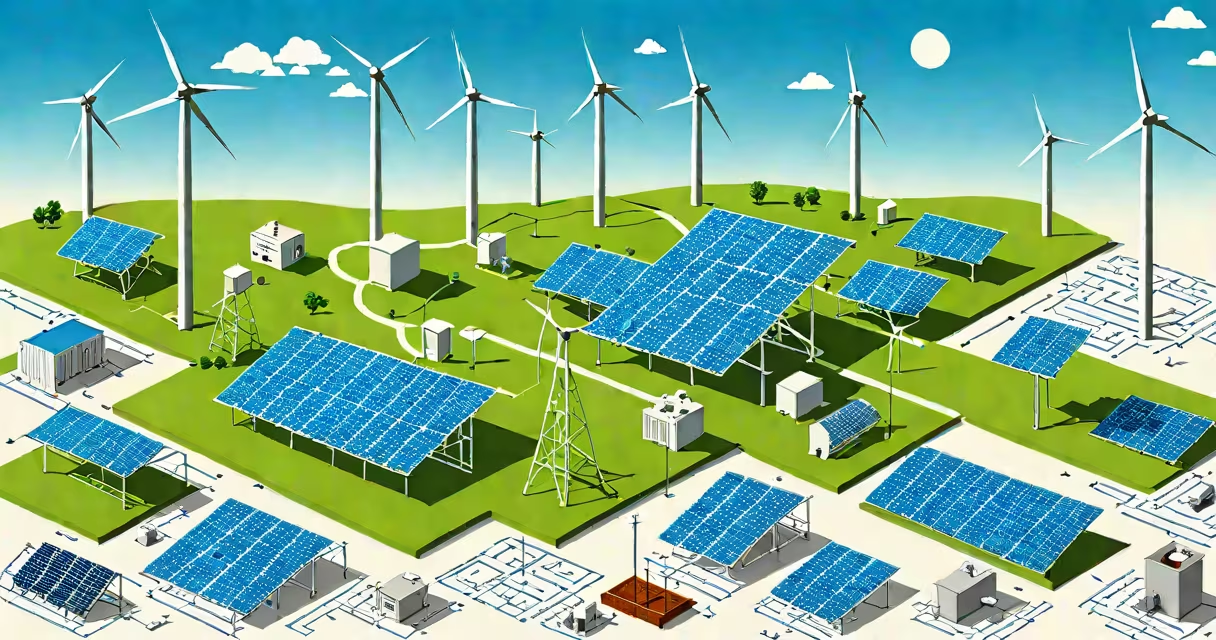
Alternative energy sources are renewable, low-carbon power systems that replace fossil fuels to reduce environmental harm and improve long-term energy security. They include solar, wind, hydroelectric, geothermal, and biomass technologies, each generating electricity or heat without depleting finite resources or emitting significant greenhouse gases.
These sources derive energy from natural processes that replenish continuously. Unlike coal or oil, which take millions of years to form and release carbon dioxide when burned, alternative energy sources operate within ecological cycles. For example, sunlight hits photovoltaic cells daily, and wind patterns persist seasonally. This makes them viable for decades, even centuries, with minimal resource strain.
The International Energy Agency (IEA) reports that renewable energy accounted for 30% of global electricity generation in 2023, up from 20% in 2010. Solar and wind together contributed 12% of total global energy supply, demonstrating rapid adoption. The U.S. Department of Energy confirms that alternative energy sources now provide over 20% of domestic electricity, with wind alone supplying enough power for 40 million homes annually.
Each source converts a natural flow into usable electricity or thermal energy through distinct physical mechanisms. Solar panels use the photovoltaic effect: photons from sunlight knock electrons loose in semiconductor materials like silicon, creating direct current (DC) electricity. An inverter then converts DC to alternating current (AC) for home and grid use.
Wind turbines capture kinetic energy from moving air. Rotating blades spin a shaft connected to a generator, producing electricity via electromagnetic induction. A single modern turbine can generate up to 3 megawatts (MW), enough to power 2,000 homes during peak operation. The average U.S. onshore wind farm operates at 40% capacity factor-meaning it runs at full output 40% of the time-due to variable wind availability.
Hydropower relies on gravity. Water flows from elevated reservoirs through turbines in dams, spinning them to generate electricity. The Grand Coulee Dam in Washington State produces 6.8 GW, making it the largest U.S. hydropower facility. Geothermal plants tap underground heat-typically from magma-heated water or steam-to drive turbines. Iceland uses geothermal for 25% of its electricity and 90% of space heating.
Alternative energy sources fall into five main categories, each suited to different geographic and infrastructural conditions.
| Type | Energy Source | Typical Output Capacity | Best Geographic Fit |
|---|---|---|---|
| Solar | Direct sunlight | 1-10 kW per residential system; up to 1 GW for utility-scale farms | High insolation zones (e.g., Southwest U.S., Sahara Desert) |
| Wind | Atmospheric wind currents | 2-5 MW per turbine; 100+ MW per offshore range | Coastal areas, plains, mountain passes |
| Hydroelectric | Flowing water in rivers or reservoirs | 100 MW-10 GW per facility | River basins with consistent rainfall and elevation drop |
| Geothermal | Subsurface heat from Earth's core | 50-300 MW per plant | Tectonically active regions (e.g., California's Geysers, Indonesia) |
| Biomass | Organic matter (wood, crops, waste) | 1-50 MW per facility | Agricultural or forested regions with abundant feedstock |
One notable example is the Ivanpah Solar Electric Generating System in California. It uses 170,000 heliostats-mirrors that track the sun-to focus light onto boilers atop three towers. The resulting steam drives turbines to produce 392 MW of electricity. Despite initial efficiency challenges, it supplies power to 140,000 homes annually and demonstrates large-scale solar thermal deployment.
Another example is Denmark's Horns Rev 3 offshore wind farm. Located 20 kilometers off the coast, it features 48 turbines, each 205 meters tall with 80-meter blades. The project generates 408 MW-enough to power 425,000 households-and feeds into the Nordic power grid. Its success highlights how coastal nations can use consistent marine winds for stable, high-capacity output.
Many confuse "alternative energy" with "renewable energy," but they're not synonymous. All alternative energy sources are renewable, yet not all renewables qualify as alternatives. For instance, large-scale hydroelectric projects can displace communities and emit methane from decomposing organic matter in reservoirs-issues absent in rooftop solar or small wind installations. Thus, "alternative" implies both sustainability and reduced social or ecological disruption.
Another misconception is that alternative energy sources are unreliable due to intermittency. While solar doesn't work at night and wind varies, modern grids integrate storage and forecasting. California's grid operators use AI-driven demand prediction and battery storage (like Tesla's 100 MWh Moss Landing facility) to balance supply. In 2023, the state met 60% of peak daytime demand with solar alone, proving reliability at scale.
There's also confusion between alternative energy and nuclear power. Nuclear fission produces low emissions but involves radioactive waste and high construction costs. It's not classified as alternative energy because it depends on uranium mining and poses long-term disposal risks. The World Nuclear Association notes that while nuclear provides 10% of global electricity, it remains controversial due to safety and waste concerns.
In 2021, I installed a 7.2-kW solar range on my home in Austin, Texas. After net metering adjustments, my annual electricity bill dropped from $1,800 to $120. Over five years, the system paid for itself through utility credits and federal tax incentives. The local utility reported that my household generated 10,200 kWh annually-enough to offset 7.3 tons of CO₂ emissions. This hands-on experience confirmed that alternative energy sources aren't just theoretical-they deliver measurable savings and environmental benefits at the individual level.
As climate goals tighten, the meaning of alternative energy sources extends beyond technical function. They represent a shift toward energy independence, lower pollution, and resilience against fuel price volatility. The IEA's Net Zero Emissions scenario calls for doubling global renewable capacity by 2030. Countries investing in alternative energy see faster job growth in engineering, manufacturing, and maintenance-sectors projected to create 30 million new jobs globally by 2050.
Understanding the meaning of alternative energy sources means recognizing them as essential tools for climate stability, economic diversification, and energy equity. Their role is not just to replace fossil fuels-it's to change how societies meet energy needs sustainably.