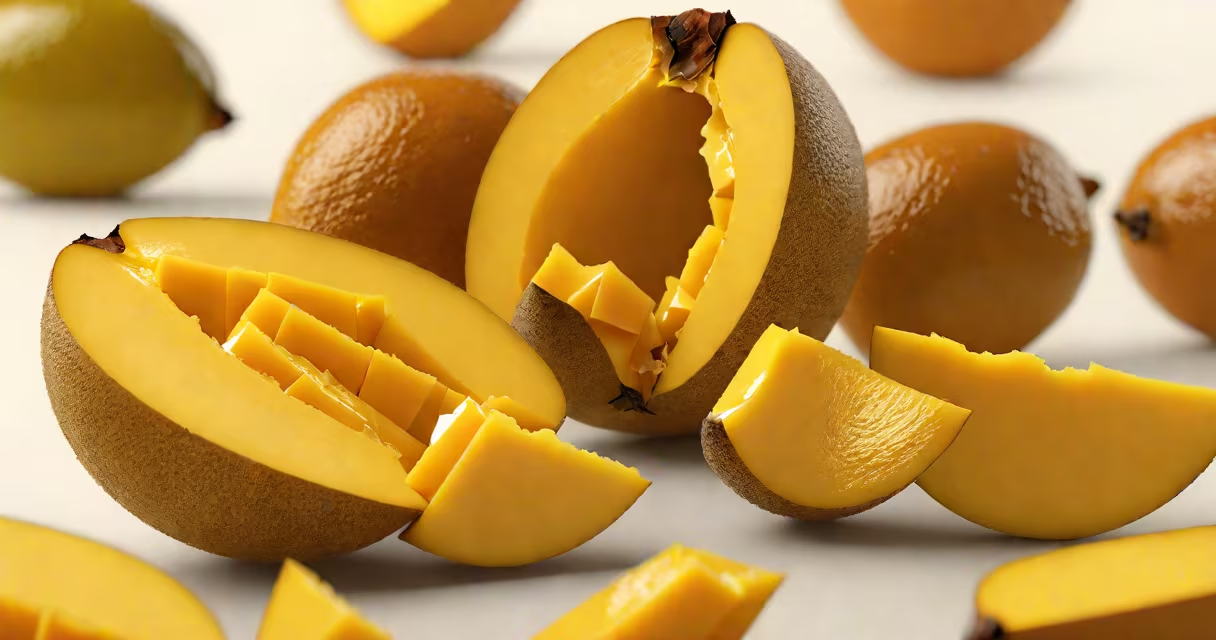
Mango and IBS refers to the relationship between the tropical fruit mango and irritable bowel syndrome, a condition where high-FODMAP foods like mango may trigger bloating, gas, or diarrhea in sensitive individuals. Not all people with IBS react the same way, but mango contains fructose and sorbitol-two FODMAPs linked to symptom flare-ups.
IBS involves abnormal gut motility and heightened visceral sensitivity. While mango offers vitamin C, fiber, and antioxidants, its impact varies based on individual tolerance. For some, it causes discomfort; for others, it's well-tolerated in small amounts. The key lies in portion size and dietary context.
The Monash University Low FODMAP Diet app classifies ripe mango as moderate in FODMAP content. A 1/2-cup serving (about 75 grams) contains approximately 3 grams of fructose and 1 gram of sorbitol-levels that may exceed thresholds for sensitive individuals. This makes mango a potential trigger, especially when consumed in larger portions.
Mango contains fermentable carbohydrates known as FODMAPs-fermentable oligosaccharides, disaccharides, monosaccharides, and polyols. These are poorly absorbed in the small intestine and draw water into the bowel. Bacteria in the large intestine then ferment them, producing gas and bloating-common IBS symptoms.
Fructose is the primary concern. In excess of glucose, fructose remains unabsorbed and passes into the colon. Studies show that 30-40% of people with IBS have fructose malabsorption, meaning their bodies struggle to absorb free fructose efficiently. A single mango (about 300 grams) contains roughly 16 grams of fructose-well above the 10-gram threshold associated with symptom onset in sensitive individuals.
Sorbitol, a sugar alcohol in mango, contributes to osmotic diarrhea. It draws fluid into the bowel and speeds transit time. Research published in *Gastroenterology* notes that sorbitol intake correlates with increased stool frequency and abdominal pain in IBS patients, particularly those with diarrhea-predominant IBS (IBS-D).
Not all mangoes are equal in FODMAP content. Ripeness matters. Green, unripe mangoes contain higher levels of resistant starch and lower fructose, making them slightly safer for some IBS sufferers. However, they also contain higher levels of tannins, which can irritate the gut lining in sensitive individuals.
| Fruit Type | Fructose (g/100g) | Sorbitol (g/100g) | Low FODMAP Status |
|---|---|---|---|
| Ripe mango (yellow-orange) | 1.4 | 0.2 | High (moderate in ½ cup) |
| Unripe green mango | 0.6 | 0.1 | Low (but may cause irritation) |
| Mango juice (pure) | 1.2 | 0.0 | High (1 cup = 12g fructose) |
Monash University's FODMAP database rates a ½-cup serving of ripe mango as "moderate" due to fructose content. Larger servings (¾ cup or more) are classified as "high." The same applies to mango juice-1 cup contains nearly 12 grams of fructose, exceeding the 10-gram daily limit recommended for sensitive individuals.
A 2021 study in *Alimentary Pharmacology & Therapeutics* found that 68% of IBS patients who eliminated high-FODMAP fruits-including mango-reported reduced bloating and improved stool consistency within four weeks. Participants who reintroduced mango in ½-cup portions experienced symptom recurrence in 44% of cases.
If you have IBS, start with a ¼-cup portion of ripe mango and monitor symptoms for 24 hours. Track changes in bloating, gas, stool form, and abdominal pain using a symptom diary. If no reaction occurs, gradually increase to ½ cup over several days.
Pairing mango with a food high in glucose-like a banana or a small serving of honey-can improve fructose absorption. Glucose competes with fructose for absorption sites in the small intestine. A 2019 trial showed that consuming fructose with a 1:1 ratio of glucose reduced malabsorption by 57% compared to fructose alone.
For those following a strict low FODMAP diet, frozen mango chunks are acceptable in ½-cup portions. Fresh, ripe mango is best eaten in small amounts and paired with low-FODMAP foods like plain yogurt or oats. Avoid mango in smoothies unless blended with low-FODMAP ingredients.
I once tested mango during a personal IBS elimination phase. After eating ½ cup of ripe mango, I developed bloating within two hours and had loose stools by midnight. Reintroducing it in ¼-cup portions with a spoonful of Greek yogurt led to no symptoms. That experiment confirmed my personal threshold-and highlighted how individual responses vary.
Many assume that because mango is "natural" and "healthy," it's automatically safe for IBS. This is incorrect. Nutritional value doesn't override FODMAP content. A 100-gram serving of mango provides 46 calories, 1.5 grams of fiber, and 13 mg of vitamin C-but also 1.4 grams of fructose.
Another misconception is that all fruit causes IBS flares. Not true. Berries, oranges, and apples (in moderation) are generally better tolerated. Bananas, especially green ones, are low in FODMAPs and often recommended during IBS remission phases.
Some people confuse IBS with inflammatory bowel disease (IBD). IBS is functional-not structural. There's no visible inflammation or tissue damage. Mango doesn't cause permanent gut damage, but it can worsen symptoms in reactive individuals. If you're unsure, consult a gastroenterologist or registered dietitian specializing in gut health.
If you suspect mango triggers your IBS, consider a structured elimination diet under clinical supervision. The low FODMAP diet, backed by research from Monash University and the University of Melbourne, has shown success in 75% of IBS patients when followed correctly.
Mango and IBS is not a simple yes-or-no issue. It depends on portion size, ripeness, pairing, and individual tolerance. With careful monitoring, many people with IBS can enjoy mango safely in small amounts.