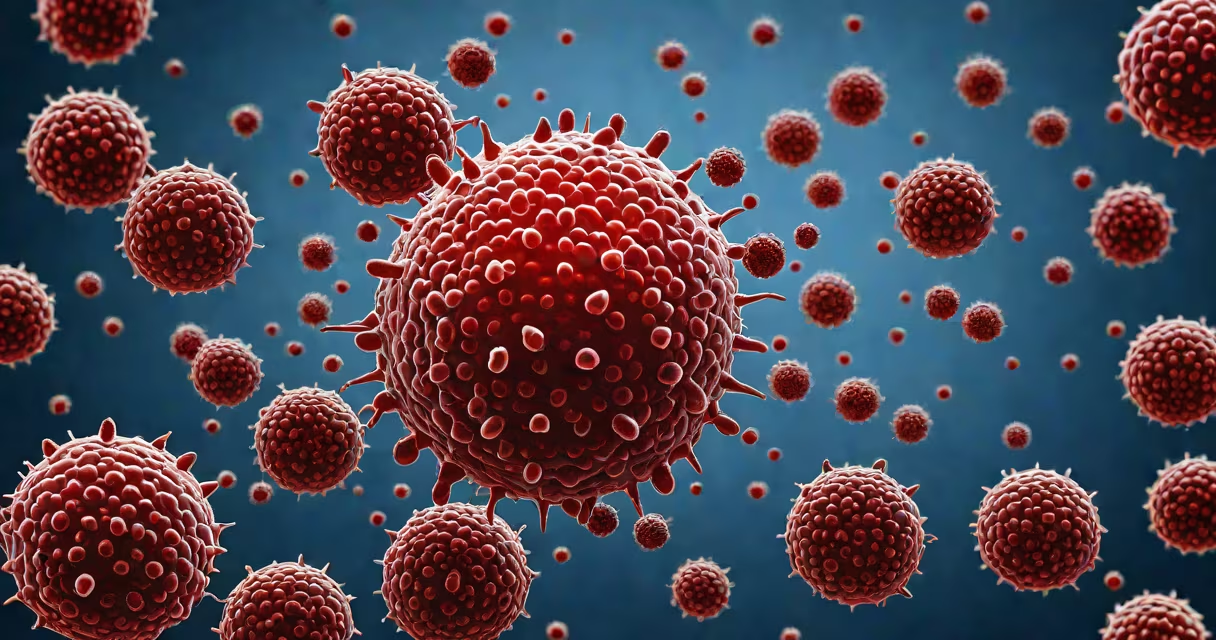
Lymphocytes are a type of white blood cell central to the adaptive immune response. They recognize specific pathogens and coordinate targeted attacks through memory and precision. These cells include T cells, B cells, and natural killer cells, each with distinct roles in defending the body.
Lymphocytes originate in the bone marrow and mature in the thymus (T cells) or remain in the bone marrow (B cells). They circulate through the bloodstream and lymphatic system, surveilling tissues for signs of infection or abnormal cell growth. When they detect foreign antigens-molecules from viruses, bacteria, or cancer cells-they activate immune responses tailored to the threat.
Each lymphocyte bears unique receptors on its surface. These receptors bind only to specific antigens, ensuring targeted action. This specificity allows the immune system to remember past infections and respond faster upon re-exposure-a foundation of vaccine effectiveness.
Lymphocytes function through antigen recognition, activation, and effector response. Upon encountering a pathogen, dendritic cells present fragments of the invader to T cells. This triggers T cell proliferation and differentiation into helper or cytotoxic subtypes. Helper T cells release signaling molecules called cytokines that direct other immune cells. Cytotoxic T cells destroy infected or cancerous cells by inducing apoptosis.
B cells, upon activation, differentiate into plasma cells that secrete antibodies. These antibodies bind to pathogens, marking them for destruction by phagocytes or complement proteins. Some B cells become memory cells, persisting for years to enable rapid antibody production during reinfection.
Natural killer (NK) cells, though part of the innate immune system, share functional overlap with lymphocytes. They detect stressed or infected cells without prior sensitization and eliminate them via perforin and granzyme release.
The three main categories of lymphocytes are T cells, B cells, and NK cells. Each performs distinct roles in immune surveillance and response.
| Type | Maturity Site | Primary Function | Key Subtypes |
|---|---|---|---|
| T cells | Thymus | Cell-mediated immunity | CD4+ helper T cells, CD8+ cytotoxic T cells, regulatory T cells |
| B cells | Bone marrow | Humoral immunity | Plasma cells, memory B cells |
| NK cells | Bone marrow and spleen | Innate cytotoxicity | CD56+ and CD16+ subsets |
CD4+ T cells regulate immune activity by releasing interleukins such as IL-2 and IFN-γ. CD8+ T cells destroy virus-infected cells and tumor cells. Regulatory T cells suppress excessive immune reactions, preventing autoimmune damage. B cells produce immunoglobulins (IgG, IgM, IgA, etc.) tailored to specific antigens.
A single B cell clone can generate millions of identical antibodies after activation. For example, during a measles infection, B cells producing anti-measles IgG antibodies increase from ~1% to over 20% of circulating B cells within five days. This rapid expansion underpins long-term protection.
Lymphocytes are often conflated with all white blood cells. However, granulocytes (neutrophils, eosinophils, basophils) and monocytes are myeloid cells and belong to the innate immune system. They respond broadly to pathogens but lack antigen-specific memory.
Another misconception is that lymphocytes act independently. In reality, they rely on cross-talk with antigen-presenting cells. Without dendritic cell activation, T cells remain inactive. This dependency ensures immune responses only begin when danger signals are confirmed.
Some assume lymphocytes are only involved in fighting infections. They also monitor for malignant transformation. A 2021 study in *Nature Immunology* showed that tissue-resident T cells in the skin detect early melanoma cells before tumors form, demonstrating their role in cancer surveillance.
Lymphocyte counts are routinely measured in blood tests. Normal ranges are 1,000 to 4,800 cells per microliter of blood. Low levels (lymphopenia) signal immune compromise. High levels (lymphocytosis) may indicate viral infection, chronic inflammation, or leukemia.
For example, a patient with acute Epstein-Barr virus (EBV) infection shows a lymphocyte count rise from 2,500 to 8,200/µL. This increase reflects EBV-specific CD8+ T cell expansion. The elevated count correlates with symptom severity and resolves as the infection clears.
Immunotherapies such as CAR-T therapy engineer a patient's own T cells to target cancer cells. In clinical trials, patients with refractory B-cell lymphoma achieved remission rates above 80% after infusion of modified T cells. This demonstrates the therapeutic power of manipulating lymphocyte function.
I once observed a flow cytometry panel during a hospital lab rotation. A sample from a patient with suspected HIV showed a drop in CD4+ T cells from 800 to 200/µL. This decline aligned with CDC criteria for AIDS diagnosis and guided immediate antiretroviral treatment initiation.
Lymphocyte what is it? It is a specialized white blood cell essential to adaptive immunity. These cells identify threats with precision, mount tailored responses, and retain memory for future encounters. Understanding lymphocytes clarifies how the body defends itself against infection, cancer, and autoimmunity.