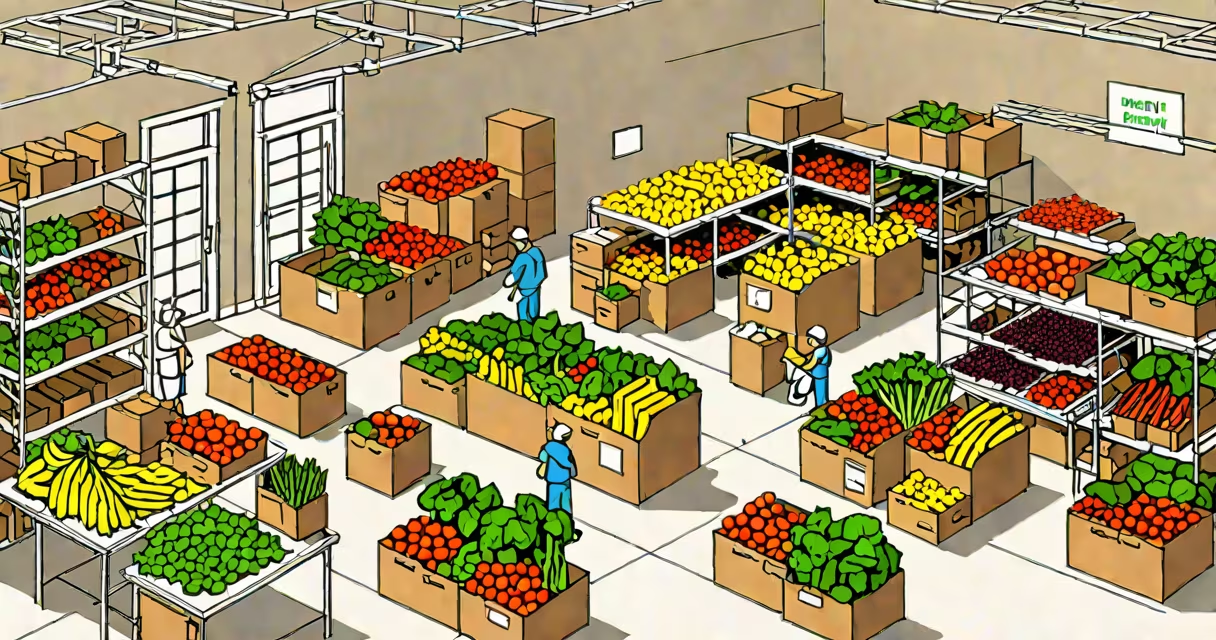
Local food pantries are nonprofit organizations that distribute free groceries to individuals and families experiencing food insecurity, often operating with donated food and volunteer labor. They serve as immediate relief points within neighborhoods, offering staples like canned goods, bread, dairy, and fresh produce.
These pantries function through partnerships with food banks, grocery stores, farms, and individual donors. Most do not require identification or proof of income, though some may ask for a basic address verification to prevent misuse. Access is typically walk-in or appointment-based, depending on location and demand.
According to Feeding America, over 40 million people in the U.S. faced food insecurity in 2023, with local food pantries serving as critical frontline responders. These sites reduce reliance on emergency shelters and help maintain dignity by allowing recipients to choose their own items, much like a grocery store.
Most local food pantries follow a standardized model: receive donations, sort and store food, then distribute it to clients during scheduled hours. Food arrives via truck from regional food banks, or through daily pickups from supermarkets that donate unsold but safe-to-eat items.
Staff and volunteers sort incoming shipments by category-canned vegetables, grains, frozen meats, fresh fruit-and place them on shelves. Clients enter, select items based on need, and leave with a bag or box. Some pantries use a "shopping-style" system where people can browse and choose, while others use pre-packed boxes with set contents.
A 2022 study by the Urban Institute found that 68% of food pantries in urban areas reported increased demand between 2020 and 2022, driven by job loss and rising housing costs. This surge led many pantries to adopt digital sign-up systems to manage wait times and track client visits.
Not all food pantries are the same. Their structure depends on funding, location, and service model. The three main types are:
| Type | Operation Model | Eligibility Requirements | Best For |
|---|---|---|---|
| Community Pantry | Open shelf, walk-in access | None or address proof | Immediate need, low-barrier access |
| Mobile Food Pantry | Truck-based delivery to neighborhoods | Residency verification | People without transportation |
| Partnered Pantry | Located in churches, schools, or clinics | Referral or ID required | Stable populations needing regular support |
For example, the Food Pantry at St. Mary's Church in Portland, Oregon, operates weekly and serves around 120 families per visit. It uses a referral system through social workers and requires a photo ID and utility bill for first-time visitors. This setup ensures accountability while still providing access to vulnerable residents.
One common misconception is that all local food pantries require proof of income. That's false. While some partner with government programs and collect data for reporting, many operate on a "no questions asked" basis. The National Hunger Survey (2023) found that 73% of pantries surveyed did not ask for income documentation, prioritizing access over bureaucracy.
Locations vary widely. Many are housed in churches, community centers, or school gymnasiums. You can search for nearby options using the USDA's Food Assistance Finder tool or by calling 211, a national helpline for social services.
Operating hours differ by region. A typical pantry opens twice a week-say, Wednesdays and Saturdays-from 9 a.m. to 1 p.m. Some offer evening hours for working parents. During holidays, hours often extend, and distributions increase in volume.
I visited a mobile pantry in rural Mississippi last winter. The van arrived at a church parking lot each Friday. Families lined up in cars, and volunteers handed out boxes containing 10 pounds of food: rice, beans, peanut butter, pasta, and a frozen chicken. No forms were needed. One mother told me she'd been coming for 18 months-her husband lost his job during the pandemic, and the pantry helped her feed three children through the winter.
Many assume local food pantries only serve the homeless. That's incorrect. According to Feeding America, 60% of pantry users are working adults or children in households with at least one employed person. Low wages, medical bills, and childcare costs push many into food insecurity despite earning above minimum wage.
Another myth is that food from pantries is spoiled or unsafe. In reality, most food is donated from retail chains or manufacturers with surplus inventory. The FDA mandates that all donated food meet safety standards. Pantries follow strict storage protocols-refrigerated items are kept below 40°F, dry goods are rotated using FIFO (first in, first out), and expired items are discarded.
Finally, some believe pantries replace government aid. They don't. Local food pantries supplement federal programs like SNAP and WIC. A 2021 report from the Brookings Institution showed that households using both SNAP and food pantries had better dietary outcomes than those relying solely on either.
To find a pantry near you, start with a quick search for food in my area. Enter your zip code or city, and the tool returns a list of nearby pantries with addresses, hours, and contact details. You can filter by availability of fresh produce, baby supplies, or weekend meal kits.
If you're unsure whether you qualify, try visiting during off-peak hours. Most pantries welcome first-time guests without prior registration. Bring a photo ID if available, but don't let that stop you-many accept a utility bill or letter from a landlord as proof of residence.
For families with young children, look for pantries that offer child-friendly items: juice boxes, cereal, snacks, and diapers. Some even run small play areas or host parenting workshops during distribution days.
Local food pantries are not charity in the traditional sense-they are community infrastructure. They rely on consistent donations and volunteer time, but their impact is measurable: a 2023 analysis by the Center on Budget and Policy Priorities found that every $1 invested in food pantries generated $4.30 in health and economic benefits by reducing emergency room visits and improving school attendance.
Understanding how local food pantries work helps dismantle stigma and encourages participation. volunteering, these sites represent a practical, humane response to hunger in American communities.