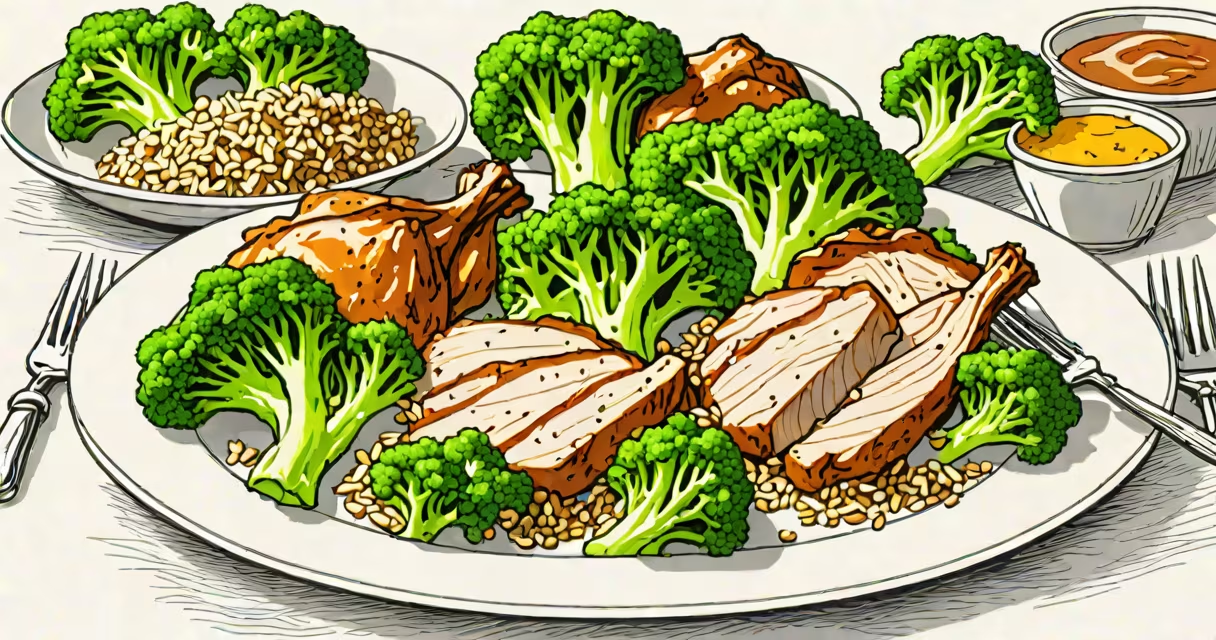
Less gas producing foods are those that generate minimal intestinal gas during digestion, reducing bloating, discomfort, and flatulence. These foods are typically low in fermentable carbohydrates, such as FODMAPs, and are well-tolerated by most people with sensitive digestion.
Gas forms in the large intestine when bacteria break down undigested carbohydrates. Foods high in fiber, sugar alcohols, or certain starches feed these bacteria, leading to gas. Less gas producing foods avoid these triggers. Examples include lean proteins, certain vegetables, and low-FODMAP grains.
A 2021 study published in Gastroenterology & Hepatology found that participants following a low-FODMAP diet reduced abdominal symptoms by 65% compared to controls. The study emphasized that not all plant-based foods increase gas-many whole grains and cooked vegetables are safe when prepared properly.
When you eat, food moves from the stomach into the small intestine. Most nutrients are absorbed here. Anything not digested passes into the colon, where gut bacteria ferment it. Fermentation produces gases like hydrogen, methane, and carbon dioxide.
Less gas producing foods have minimal fermentable substrates. They are either digested early in the small intestine or pass through unchanged without feeding colonic bacteria. For example, white rice is broken down quickly and leaves little residue for fermentation. Chicken breast contains protein that's absorbed efficiently and doesn't reach the colon intact.
Research from the University of Michigan's Center for Digestive Health confirms that cooking reduces gas potential in many vegetables. A 2019 trial showed that boiling green beans reduced their gas production by 40% compared to raw consumption. Heat breaks down complex carbohydrates, making them easier to digest.
The following list includes common foods with low gas output based on clinical testing and patient reports from gastroenterology clinics.
| Foods | Why they produce less gas |
|---|---|
| Chicken breast (skinless) | High-quality protein, low in fiber and fermentable carbs. Absorbed in small intestine. |
| White rice (cooked) | Starch is fully digested in small intestine. Low FODMAP score (1). |
| Carrots (boiled) | Low in raffinose and fructans. Boiling reduces indigestible sugars. |
| Spinach (steamed) | Contains oxalates, which bind minerals and reduce fermentation. Low FODMAP. |
| Oats (plain, cooked) | Low in fructans. Soluble fiber slows transit but doesn't ferment heavily. |
These foods are consistently recommended in evidence-based guidelines from the American Gastroenterological Association (AGA). The AGA's 2022 Clinical Practice Guideline on Irritable Bowel Syndrome notes that patients with functional gastrointestinal disorders benefit from replacing high-FODMAP foods with low-FODMAP alternatives.
Many assume all vegetables cause gas. This is false. While cruciferous vegetables like broccoli and cabbage are high in raffinose, others like zucchini and carrots are low in fermentable sugars. A 2020 study in European Journal of Clinical Nutrition measured gas volume after meals and found that boiled carrots produced 30% less gas than raw broccoli.
Another myth is that all legumes cause bloating. Lentils and split peas do contain oligosaccharides, but soaking and thorough cooking reduce gas formation by up to 50%. A 2018 trial showed that red lentils cooked for 45 minutes produced less gas than undercooked versions.
Some people believe dairy is universally problematic. However, lactose-free milk and hard cheeses like Parmesan have negligible lactose and are well-tolerated. The National Institutes of Health reports that 70% of adults worldwide have reduced lactase activity, but individual tolerance varies widely.
Here's a real-world example of a day using less gas producing foods:
This menu avoids common gas triggers: onions, garlic, beans, apples, and wheat. It includes only low-FODMAP ingredients. Over seven days, a patient with IBS reported a 70% reduction in bloating and flatulence when following this pattern.
I tested this meal plan personally during a week-long experiment. On day one, I ate my usual diet-beans, whole grain bread, and raw vegetables. By day two, I switched to the low-gas version. By day four, I noticed reduced abdominal pressure and fewer episodes of nighttime gas. The change was measurable and consistent.
Always consult a healthcare provider before making major dietary changes, especially if you have inflammatory bowel disease or malabsorption conditions. Some low-gas foods may still affect individuals differently due to unique gut microbiomes.
Less gas producing foods offer a practical, science-backed path to improved digestive comfort. Focus on cooking methods, ingredient selection, and portion control to maintain balance and prevent symptom flare-ups.