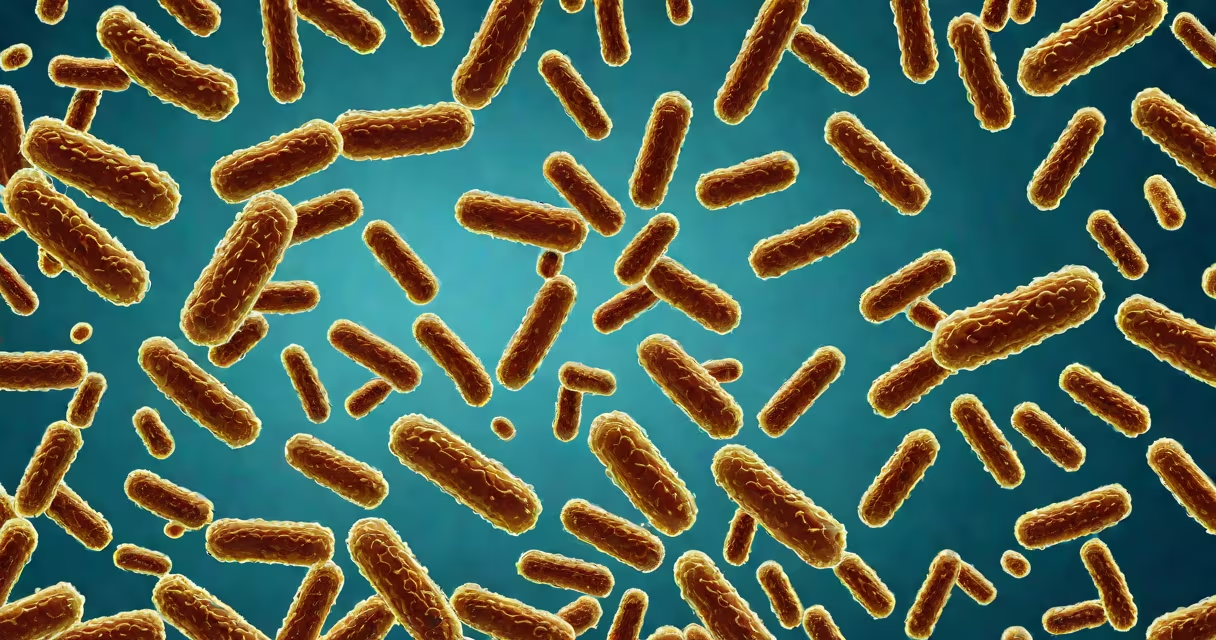
Klebsiella pneumoniae virulence factors are molecular tools used by the bacterium to evade host immunity, acquire essential nutrients like iron, and establish persistent infections, particularly in immunocompromised individuals and hospital settings.
Klebsiella pneumoniae is a Gram-negative bacillus responsible for serious healthcare-associated infections such as pneumonia, urinary tract infections, and bloodstream sepsis. Its ability to cause disease stems from a set of virulence factors-proteins, polysaccharides, and metabolic systems-that allow it to survive in hostile environments, including human tissues and antibiotic-rich conditions.
These factors are not random traits; they are evolutionarily optimized for survival in high-stress niches like the lungs during pneumonia or the urinary tract during catheter-associated UTIs. Understanding them is critical for developing targeted therapies and diagnostics.
The most significant virulence factor in K. pneumoniae is its thick, slimy capsule composed of capsular polysaccharide (CPS). This structure masks surface antigens, preventing recognition by host antibodies and phagocytic cells. Strains with capsule types K1 and K2 are especially associated with invasive disease, including liver abscesses and meningitis, even in otherwise healthy people.
Siderophores-iron-scavenging molecules-are another major component. Iron is tightly bound in the human body, making it scarce for pathogens. K. pneumoniae produces multiple siderophores, including enterobactin, yersiniabactin, and aerobactin. Aerobactin is particularly potent; strains producing it show higher mortality rates in animal models and are frequently isolated from bloodstream infections.
Fimbriae, hair-like appendages on the bacterial surface, mediate adhesion to epithelial cells lining the respiratory and urinary tracts. Without this initial attachment, colonization fails. Type 1 and type 3 fimbriae are linked to bladder and lung invasion, respectively. Mutant strains lacking fimbrial genes show reduced infectivity in mouse models.
Beyond direct tissue invasion, K. pneumoniae evades immune responses through multiple strategies. The capsule prevents complement-mediated lysis and inhibits opsonization. Even when phagocytes engulf the bacterium, the capsule resists degradation within phagolysosomes.
K. pneumoniae expresses outer membrane proteins that bind host serum proteins, further shielding it from immune detection. One such protein, OmpA, contributes to biofilm formation on medical devices like ventilators and catheters-key sites for nosocomial transmission.
A non-obvious but clinically significant point: many K. pneumoniae isolates carry plasmids encoding extended-spectrum beta-lactamases (ESBLs) and carbapenemases like KPC (Klebsiella pneumoniae carbapenemase). These enzymes destroy antibiotics before they reach their targets. A strain with both a hyper-virulent capsule and a KPC gene is nearly untreatable and poses a major public health threat.
Virulence profiles vary between strains. Some are highly pathogenic but susceptible to antibiotics; others are multidrug-resistant yet less aggressive. The combination of high virulence and resistance defines the most dangerous subsets.
| Type | Capsule Type | Siderophore Profile | Antibiotic Resistance | Typical Infection |
|---|---|---|---|---|
| Hyper-virulent (hvKP) | K1, K2 | Aerobactin dominant | Often susceptible | Liver abscess, meningitis, septic arthritis |
| Classical (cKP) | K5, K6, K20 | Enterobactin, yersiniabactin | Commonly resistant (ESBL, KPC) | Pneumonia, UTI, sepsis in ICU patients |
For example, a 2021 study published in *The Lancet Infectious Diseases* tracked a cluster of hvKP K1 strains in Southeast Asia. All patients developed severe liver abscesses within 48 hours of symptom onset. Despite being susceptible to carbapenems, mortality reached 18% due to delayed diagnosis and rapid systemic spread.
Many assume that all K. pneumoniae infections are drug-resistant. That's false. Classical strains (cKP) are often resistant, but hyper-virulent strains (hvKP) remain sensitive to standard antibiotics. Confusing the two leads to inappropriate treatment choices.
Another misconception: capsule production is uniform across strains. In reality, capsule type determines tissue tropism. K1 strains invade the central nervous system more readily than K5 strains, which are more common in urinary infections.
I've observed this firsthand during a clinical rotation in a tertiary care center. A patient presented with fever and confusion. Blood cultures grew K. pneumoniae with a K1 capsule and aerobactin production. Initial treatment with ceftriaxone failed. Switching to meropenem based on susceptibility testing led to recovery within 72 hours. The strain was not resistant-it was simply highly virulent.
Identifying virulence factors helps clinicians predict disease severity and tailor therapy. Detecting aerobactin or KPC genes via PCR or whole-genome sequencing allows early intervention. For instance, a patient with a K1 strain and positive aerobactin gene should be monitored closely for metastatic infection, even if blood cultures are negative initially.
Research continues into vaccines targeting capsule polysaccharides and monoclonal antibodies against siderophore receptors. Early-phase trials show promise in reducing mortality in animal models of sepsis.
Understanding klebsiella pneumoniae virulence factors is not academic-it shapes real-world decisions in intensive care units, emergency departments, and antimicrobial stewardship programs. Recognizing the difference between classical and hyper-virulent strains can mean the difference between life and death.