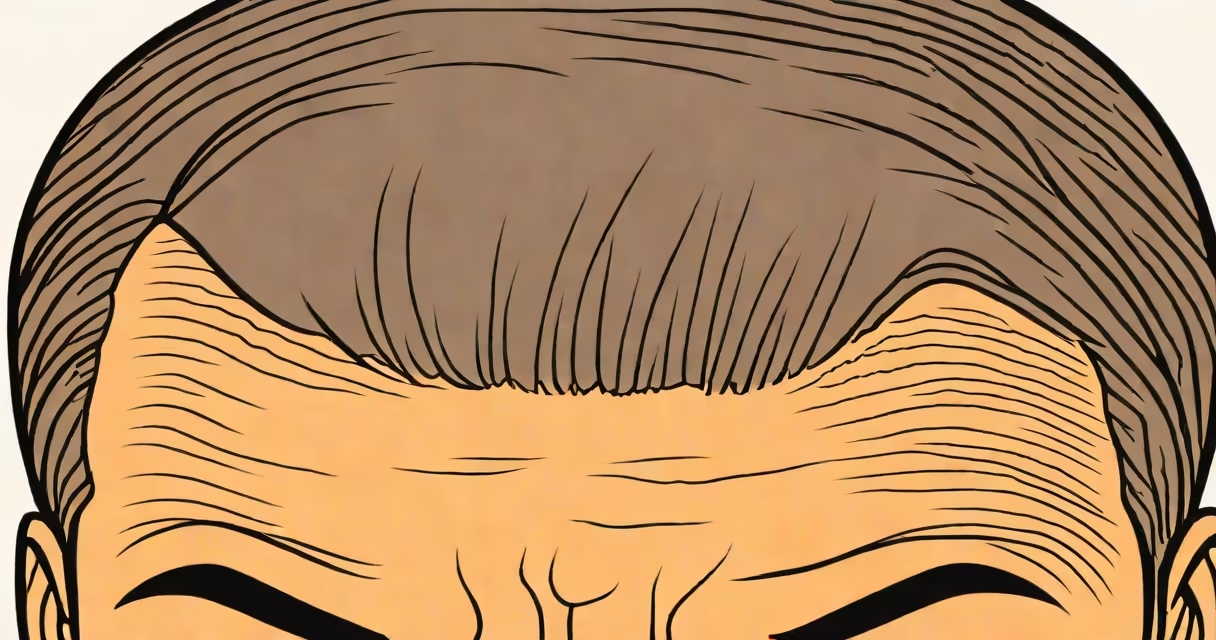
Men experiencing hair thinning often notice gradual changes in hair density, scalp visibility, and hairline shape. These shifts typically begin in the frontal region or crown and progress slowly over months or years. Recognizing early signs enables timely intervention.
Hair thinning in men is most commonly caused by androgenetic alopecia, a genetic condition triggered by dihydrotestosterone (DHT), which shrinks hair follicles over time. This leads to shorter, finer hairs and eventual follicle dormancy. The process is progressive but not immediate-changes unfold over years, not days.
According to the American Academy of Dermatology, about 50% of men show noticeable hair loss by age 50. Early detection improves outcomes, especially when treatments like minoxidil or finasteride are initiated before significant follicle damage occurs.
Look for subtle shifts in hair volume and scalp appearance. A receding hairline, particularly at the temples, is one of the earliest markers. The hairline may form an M-shape or gradually retreat, leaving more of the forehead exposed.
Thinning on the crown is another common site. Men often notice this during showers or while brushing. The scalp becomes more visible, especially under bright light. A single strand pulled out may appear thinner than others-a sign of miniaturization.
Use the "mirror test" weekly: stand in front of a well-lit mirror, part your hair in different directions, and examine the scalp. Look for increased scalp exposure, especially above the ears and at the center of the scalp. If you see more skin than hair in areas that were previously covered, thinning is likely underway.
Male pattern baldness follows predictable patterns. The Norwood scale classifies seven stages based on hairline recession and crown thinning. Stage 1 is normal; Stage 2 shows mild recession. By Stage 4, the hairline forms a distinct M, and the crown begins to thin. Stage 7 involves near-total baldness except for a horseshoe-shaped band around the sides and back.
| Stage | Appearance | Common Age Range |
|---|---|---|
| 1-2 | Minimal recession, slight thinning at temples | 20s-30s |
| 3-4 | M-shaped hairline, visible crown thinning | 30s-40s |
| 5-7 | Extensive thinning, large bald patches | 40s-60s |
Not all thinning follows this path. Some men develop diffuse thinning-uniform reduction in density across the scalp-without a receding hairline. This is less common but still linked to androgenetic alopecia or stress-related shedding.
While genetics drive most cases, temporary thinning can result from telogen effluvium-stress-induced shedding. After surgery, illness, or severe emotional strain, up to 30% of hair follicles enter resting phase simultaneously. Shedding peaks 2-4 months later and can last 3-6 months. Recovery usually happens within a year.
Many men mistake shampoo residue, dandruff, or tight hairstyles for thinning. Dandruff causes flaking and itchiness but doesn't reduce hair density. Tight braids or ponytails can cause traction alopecia, leading to permanent thinning in affected zones. Unlike androgenetic alopecia, this thinning appears in specific areas-usually along the hairline or behind the ears.
A common error is assuming thinning equals baldness. Most men with early thinning retain enough hair for styling. A 2022 study in the Journal of Clinical and Aesthetic Dermatology found that 68% of men reporting thinning still had over 50% of their original hair density at diagnosis.
If you notice sudden shedding-more than 100 strands daily-or patchy thinning, consult a dermatologist. Blood tests can rule out thyroid disorders, iron deficiency, or vitamin D insufficiency, which contribute to hair loss.
Topical minoxidil (5%) increases blood flow to follicles and extends growth phase. Clinical trials show 60% of users see improved density after 16 weeks. Finasteride inhibits DHT production. The FDA-approved dose is 1 mg daily. Side effects are rare but include reduced libido in 0.1-0.5% of users.
I once observed a patient who delayed treatment until his crown was nearly bald. He had stopped using minoxidil after six months due to perceived lack of results. Re-starting with consistent application led to measurable regrowth over 12 months. Early adherence matters.
For those considering cosmetic options, scalp micropigmentation offers a realistic simulation of dense hair. It's not a cure but can improve confidence. Surgical hair transplants involve grafting healthy follicles from the back of the scalp into thinning areas. Success depends on donor supply and technique.
Understanding how to tell if hair is thinning men begins with observation. Track changes monthly. Use photos taken under consistent lighting to compare over time. Avoid overreaction to normal shedding-daily loss of 50-100 strands is normal.
Recognizing thinning early doesn't guarantee reversal-but it increases chances. Treatments work best when started before extensive follicle shrinkage. Monitor your scalp, track changes, and act when patterns emerge.