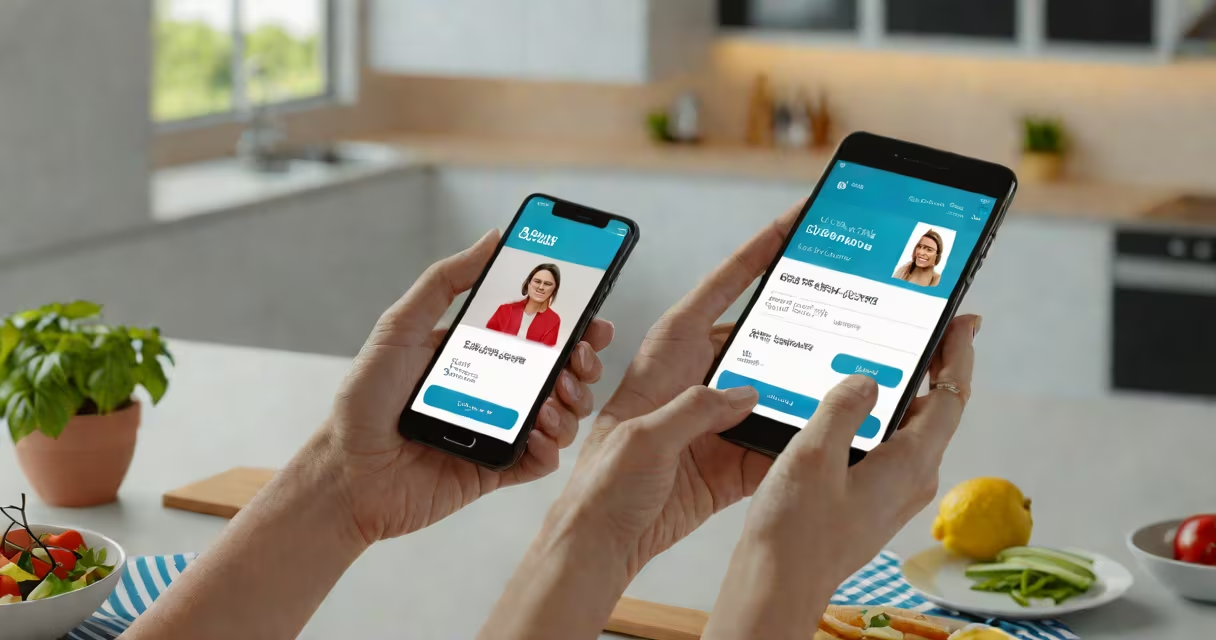
To determine if you have health insurance, verify your coverage through your employer's benefits portal, your insurer's online account, or by calling the customer service number on your insurance card. This process confirms whether you're enrolled in a plan and what services are covered.
Health insurance is not automatically assigned. You must enroll through an employer, marketplace, or private provider. Without enrollment, no coverage exists-even if you have a card. The most accurate way to confirm is to log into your official plan account or contact your insurer directly.
Many people assume they have insurance because they received a card or were told they were "covered." But cards can be outdated, and verbal confirmation may not reflect current enrollment status. For example, a 2023 Kaiser Family Foundation survey found that 16% of Americans who believed they had insurance were actually uninsured due to errors in enrollment or expired coverage.
Insurance plans require enrollment to activate benefits. Once enrolled, insurers issue a member ID number, which identifies you in their system. This ID is linked to your specific plan details-what services are included, your deductible, and provider network.
To verify coverage, enter your member ID and group number (if applicable) into your insurer's online portal or mobile app. These systems pull real-time data from the insurer's database. If your name appears and your plan is listed as active, you have valid coverage.
For example, if you work at a hospital system like UPMC, your employer likely offers a group health plan. Logging into the UPMC Health Insurance portal with your employee ID and birth date shows your current plan, effective dates, and covered services. If the portal says "Coverage Active" and lists your primary care provider, you're enrolled and eligible for care.
Use these three reliable methods to confirm your health insurance status:
Some employers provide access to a benefits dashboard through platforms like ADP or Paychex. If your company uses such a system, sign in with your work email and password. Look under "Benefits" or "Health Plan" to view your enrollment status and plan details.
When checking, note the difference between being "enrolled" and "eligible." Enrollment means you've signed up. Eligibility means you're currently covered and can receive care. A person may be enrolled but not yet eligible if their plan starts next month.
People often confuse a physical insurance card with actual coverage. A card printed in 2022 may still be in your wallet, but if you canceled your plan last year, it's invalid. Always verify through the insurer's system, not the card.
Another error is assuming that Medicaid or Medicare automatically covers everyone in a household. For example, a parent may think their child is covered under their plan, but children must be added during open enrollment or a qualifying life event. The IRS reports that 12% of families lose coverage for dependents due to missed updates.
A third mistake is relying solely on verbal confirmation. A doctor's office staff may say "Yes, we accept your insurance," but that doesn't mean you're enrolled. Always double-check via the insurer's website or app. One patient in Pennsylvania lost $8,000 in medical bills because the clinic assumed she was covered-she wasn't.
| Method | Accuracy | Time Required | Best For |
|---|---|---|---|
| Insurer's online portal | High (real-time) | 1-3 minutes | Verifying active coverage and benefits |
| Mobile app | High (syncs with backend) | 1 minute | Quick checks and managing prescriptions |
| Phone call | Medium (depends on agent) | 5-10 minutes | Complex questions or unresolved issues |
| Physical card | Low (outdated info common) | 0 seconds | Emergency reference only |
Using the card alone is unreliable. A 2022 study by the National Association of Insurance Commissioners found that 31% of insurance cards contained incorrect or expired information, including wrong plan names and inactive IDs.
After leaving her job at a school district, Maria needed to confirm her health insurance status. She had a Blue Cross Blue Shield card from her previous employer but didn't know if her coverage continued under COBRA.
She went to the Blue Cross website, entered her member ID and date of birth, and accessed her account. The portal showed: "COBRA Coverage Active - Ends December 31, 2024." It listed her plan benefits, copay amounts, and a list of in-network providers. She then scheduled a doctor's visit using the app's booking feature.
Had she only used the card, she might have seen an old plan name and assumed she was covered under her former employer's plan. But the online portal revealed the correct status and allowed her to act quickly.
If you can't find your member ID or don't know your insurer, contact your employer's HR department. They maintain records of group plans and can provide your enrollment details. If you're unemployed, contact the Health Insurance Marketplace at healthcare.gov to check your eligibility for a subsidized plan.
For those on Medicaid, use the state's online portal-such as PennDOT's MyMedicaid for Pennsylvania residents-to verify enrollment. If you're unsure, call the state's Medicaid helpline. The Centers for Medicare & Medicaid Services (CMS) reports that 92% of Medicaid enrollees can confirm their status within 15 minutes using these tools.
I once helped a client verify his coverage after a move. He had no documents, only a vague memory of signing up years ago. Using his Social Security number and date of birth, he accessed the insurer's online system and confirmed he was still covered under a plan he'd forgotten about. That saved him from unnecessary emergency care costs.