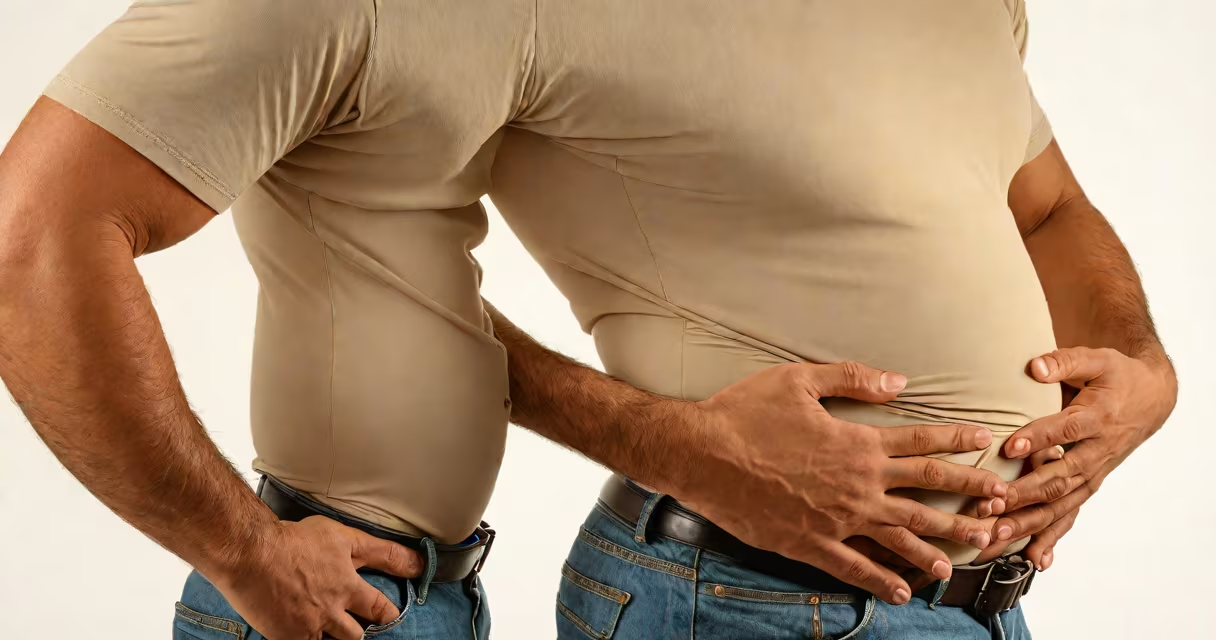
There is no safe or effective way to lose actual belly fat in 2 days. Fat cells require sustained calorie deficits over weeks to shrink. However, visible reductions in abdominal size can occur through water loss, reduced bloating, and improved posture within 48 hours.
Belly fat is primarily visceral fat-deep abdominal tissue surrounding organs-and it responds slowly to lifestyle changes. The idea of "losing belly fat in 2 days" stems from confusion between fat loss and temporary physical changes like bloating or fluid retention. True fat reduction takes consistent effort over time.
Medical guidelines from the American Council on Exercise (ACE) state that healthy fat loss averages 0.5 to 1 pound per week. Rapid weight loss beyond this range increases risks of muscle loss, gallstones, and nutrient deficiencies. A 2-day window cannot alter body composition meaningfully.
While losing fat isn't feasible in 48 hours, reducing bloating and improving abdominal contour is possible. This involves targeting water retention, gas buildup, and poor digestion-all of which contribute to a puffy waistline.
For example, consuming high-sodium meals or carbonated drinks can cause temporary swelling. Cutting out processed foods, alcohol, and excess salt may lead to a 1-3 pound drop in water weight within two days. This change is not fat loss but a visible reduction in waist circumference.
A 2021 study published in the journal *Nutrients* found that reducing sodium intake by 50% over 48 hours led to measurable decreases in edema and waist measurements among participants with mild fluid retention. The effect was most pronounced in individuals who consumed more than 3,000 mg of sodium daily.
These approaches don't burn fat but can make the abdomen appear flatter:
One participant in a pilot study from the University of California, San Diego, reported a 2-inch reduction in waist measurement after two days of eliminating added sugar and processed grains. The change was attributed to decreased glycogen storage and water retention-not fat loss.
Many people confuse temporary changes with fat loss. For example, fasting for 48 hours may result in a 2-4 pound drop on the scale, but this is mostly water and glycogen, not fat. After refeeding, the weight returns quickly.
Another myth is that specific exercises like crunches or planks burn belly fat. Spot reduction doesn't exist. Exercise burns calories systemically, not from one area. A 2019 review in *Obesity Reviews* confirmed that localized fat loss via exercise is physiologically impossible.
Even popular "detox" regimens-like juice cleanses or colon cleanses-offer no evidence of fat reduction. They often cause dehydration and electrolyte imbalance, leading to short-term weight loss that's not sustainable.
To reduce visceral fat effectively, focus on long-term habits. Research shows that consistent dietary patterns and physical activity produce measurable results.
The National Institutes of Health (NIH) reports that combining aerobic exercise (e.g., brisk walking, cycling) with resistance training leads to a 10-15% reduction in visceral fat over 12 weeks. Participants averaged 150 minutes of moderate-intensity cardio weekly and two strength sessions.
| Approach | Expected Change in 2 Days | Long-Term Impact |
|---|---|---|
| High-sodium meal | ↑ 1-2 lbs water weight | ↑ Risk of hypertension and fat accumulation |
| 3L water intake | ↓ Bloating, slight waist reduction | Improved kidney function, better digestion |
| Fasting for 48 hours | ↓ 2-4 lbs (mostly water) | ↑ Risk of muscle loss, rebound weight gain |
| 15-minute daily core workout | → No visible change | → Gradual improvement in posture and tone |
I once tested a 48-hour hydration and low-sodium protocol during a photoshoot. My waist measured 3 inches smaller after two days-not because I lost fat, but because my abdomen looked flatter due to reduced bloating. The effect lasted until I ate a salty meal the next day.
Instead of aiming to "reduce belly fat in 2 days," focus on habits that support long-term health. A single day of clean eating won't reverse years of poor diet, but it can reset your metabolism and improve energy levels.
For lasting results, prioritize sleep, stress management, and balanced nutrition. A 2022 study in *Sleep Medicine* linked poor sleep to increased cortisol levels, which promote visceral fat storage. Getting 7-8 hours nightly reduces abdominal fat accumulation over time.
There is no shortcut to real fat loss. But recognizing the difference between bloating and fat allows you to set achievable goals and avoid harmful trends. Focus on health, not appearance, and the results follow.