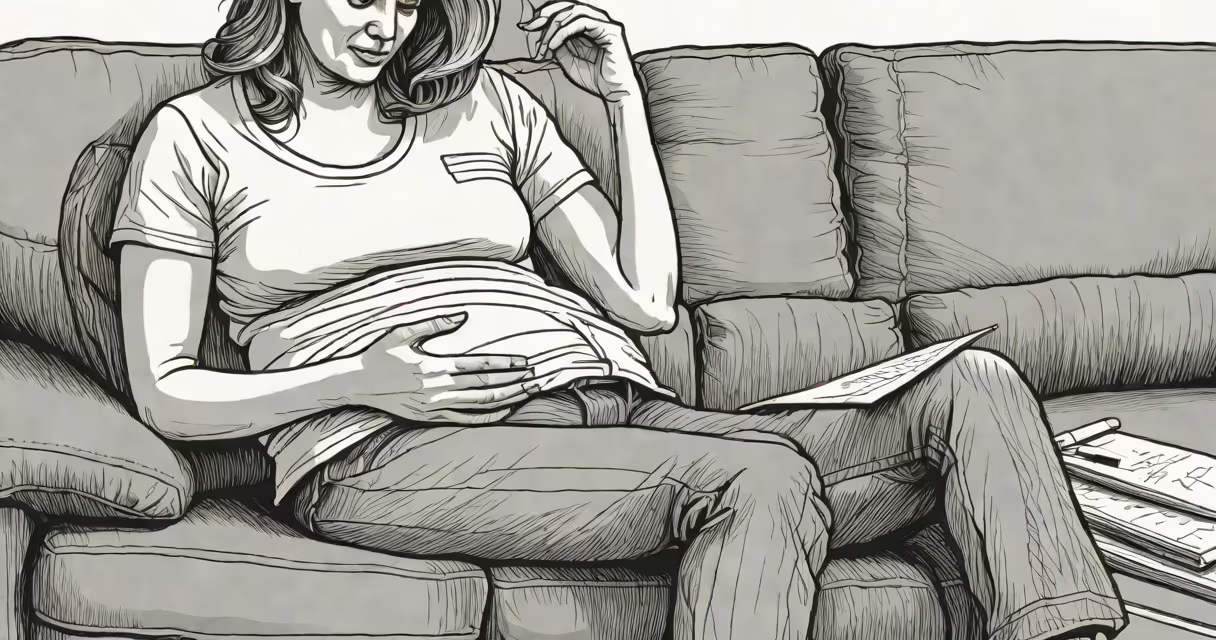
A gallstone attack occurs when a stone blocks the bile duct, causing sudden, severe pain in the upper right abdomen. Prevention focuses on reducing risk factors like obesity, rapid weight loss, and high-fat diets. Up to 70% of gallstones are cholesterol-based, formed when bile contains too much cholesterol and not enough bile salts.
Gallstones form when substances in bile-primarily cholesterol, bilirubin, and calcium-crystallize into solid particles. These can remain in the gallbladder or migrate into the common bile duct. When a stone obstructs the duct, it causes biliary colic: intense, cramping pain lasting 1-6 hours, often triggered by fatty meals. The condition affects approximately 10-15% of adults in the U.S., with higher rates among women, especially those who are overweight or have had multiple pregnancies.
Prevention centers on lifestyle choices that stabilize bile composition and reduce gallbladder strain. Avoiding large, high-fat meals reduces the likelihood of triggering contraction of the gallbladder when stones are present. Maintaining a steady weight prevents the metabolic shifts that increase cholesterol saturation in bile. Rapid weight loss-such as from crash diets or bariatric surgery-doubles the risk of stone formation due to increased cholesterol secretion into bile.
Gallstones develop through a process called supersaturation. Bile normally holds cholesterol dissolved in bile salts and lecithin. When cholesterol levels rise above solubility limits, crystals form. This imbalance is influenced by genetics, diet, and hormonal changes. For example, estrogen increases cholesterol production and decreases bile salt synthesis, which explains why women are more likely to develop gallstones, particularly during pregnancy or while using oral contraceptives.
Another mechanism is gallbladder hypomotility-the organ fails to empty properly. Prolonged fasting or low-calorie diets reduce gallbladder contractions, allowing bile to stagnate and promote stone growth. A study published in *Gastroenterology* found that people who skipped breakfast had a 25% higher incidence of symptomatic gallstones compared to those who ate regularly.
Cholesterol stones account for about 80% of cases. Pigment stones-made of bilirubin-occur in people with liver disease or hemolytic anemia. They're less common but more likely to cause complications like cholangitis or pancreatitis. Understanding the type helps tailor prevention strategies.
Reducing dietary fat intake lowers the risk of gallstone attacks. High-fat meals stimulate gallbladder contraction, which can push stones into the bile duct. A randomized controlled trial in *The American Journal of Clinical Nutrition* showed that participants consuming more than 40 grams of fat per meal were twice as likely to report biliary pain over six months compared to those eating under 25 grams.
Adopting a Mediterranean-style diet-rich in fruits, vegetables, whole grains, legumes, nuts, and healthy fats like olive oil-lowers risk. This pattern improves bile acid metabolism and reduces inflammation. A 2021 cohort study in *Clinical Gastroenterology and Hepatology* found that individuals following this diet had a 30% lower incidence of gallstone formation over ten years.
Regular physical activity also plays a role. Exercise improves insulin sensitivity and lipid profiles, both linked to reduced gallstone risk. The Nurses' Health Study reported that women who walked briskly for 30 minutes daily had a 20% lower chance of developing symptomatic gallstones.
| Factor | Risk Increase | Evidence Source |
|---|---|---|
| High-fat meal frequency (>3x/week) | 2.1× | Am J Clin Nutr, 2018 |
| Rapid weight loss (>1.5 kg/week) | 2.0× | JAMA Intern Med, 2016 |
| Skipping breakfast | 1.25× | Gastroenterology, 2019 |
For individuals with known gallstones but no symptoms, treatment is generally not needed. However, those with recurrent attacks may require surgical removal of the gallbladder (cholecystectomy). This procedure is performed laparoscopically in over 95% of cases and has a low complication rate.
Medications like ursodeoxycholic acid (UDCA) can dissolve small cholesterol stones over 6-24 months. But success rates are modest-around 30% for stones under 1 cm-and relapse is common after stopping treatment. UDCA is typically reserved for patients who cannot undergo surgery due to comorbidities.
Screening is not routine unless symptoms appear. Ultrasound remains the gold standard for detection, identifying stones with over 95% accuracy. If pain persists or worsens, imaging should rule out complications such as cholecystitis or pancreatitis.
Many assume gallstone attacks are always severe or require emergency care. In reality, mild episodes may resolve on their own. However, recurring attacks increase the risk of complications like gallbladder perforation or sepsis. The National Institute of Diabetes and Digestive and Kidney Diseases (NIDDK) states that untreated symptomatic gallstones lead to hospitalization in 20% of cases within five years.
Another myth is that drinking lemon water or herbal cleanses prevent attacks. There's no scientific evidence supporting these practices. A 2020 review in *Digestive Diseases and Sciences* concluded that detox regimens lack efficacy and may delay proper diagnosis.
Some believe that removing the gallbladder eliminates all digestive issues. While most people adapt well, up to 10% develop post-cholecystectomy syndrome-chronic abdominal pain, bloating, or diarrhea. This underscores the importance of preventive measures over reactive surgery.
Consider a 45-year-old woman with a history of two gallstone attacks. She weighs 95 kg (BMI 33), eats fried foods 4-5 times weekly, and skips breakfast. Her doctor recommends a structured plan: reduce fat intake to under 30% of daily calories, eat three balanced meals daily, and walk 30 minutes each day. After six months, she lost 12 kg and reported no further episodes. Blood tests showed improved cholesterol and triglyceride levels.
This outcome aligns with findings from the Women's Health Initiative, which tracked over 100,000 women and found that consistent dietary habits reduced gallstone-related hospitalizations by 40% over a decade.
Preventing a gallstone attack requires consistent lifestyle choices: avoid high-fat meals, maintain a stable weight, eat regular meals, and stay physically active. These steps reduce bile supersaturation and improve gallbladder function. With targeted prevention, many people can live without symptoms for years.