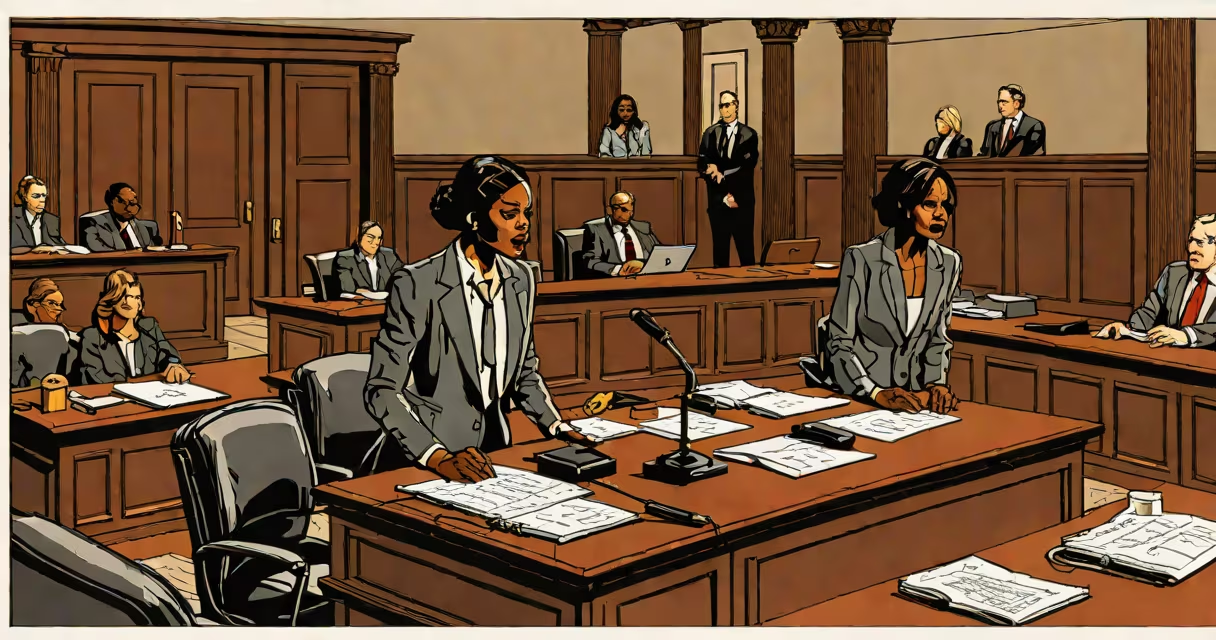
The TV series "how to get away with murder tv" is a legal thriller centered on Annalise Keating, a brilliant and morally ambiguous criminal defense professor at a prestigious law school who uses her students to commit and conceal murders. The show blends courtroom drama, psychological manipulation, and complex character relationships, unfolding across six seasons.
Created by Peter Nowalk, the series premiered on ABC in 2014 and ran until 2021. It follows the lives of four law students-Connor, Michaela, Wes, and Oliver-who become entangled in a web of secrets after Annalise takes them under her wing. As the season progresses, each student becomes involved in a murder, either as a perpetrator, accomplice, or witness. The show's narrative structure relies heavily on nonlinear storytelling, with flashbacks revealing past events that reshape the understanding of current crimes.
Annalise Keating, portrayed by Viola Davis, is the central figure whose actions drive the plot. She is both a mentor and a manipulator, using emotional use and legal expertise to control outcomes. Her own past is gradually exposed-she was involved in a fatal accident during medical school and later committed murder to protect herself. This duality makes her a compelling antihero, blurring the line between justice and vengeance.
"how to get away with murder tv" operates on a dual timeline: the present-day investigation into a murder and the past events leading up to it. Each episode typically opens with a crime scene or a key moment, then cuts to earlier scenes that explain how the event occurred. This structure keeps viewers engaged by withholding context until necessary.
For example, in Season 1, the murder of a student named Lila occurs early in the season. The audience sees the aftermath immediately-blood on the floor, police arriving-but the cause remains unknown. Flashbacks reveal that Lila was killed by someone else in the group, and the truth unfolds slowly through conflicting testimonies and hidden evidence. By the time the killer is revealed, the audience has already formed multiple theories based on subtle clues dropped in earlier episodes.
Another narrative device is the use of unreliable narrators. Several characters lie or omit details to protect themselves. One episode features a flashback where a character claims they were not present during a murder, but a later scene shows their fingerprints on the weapon. This technique forces viewers to constantly reassess their assumptions, making the show feel unpredictable.
The core cast includes five major figures, each representing different aspects of morality, loyalty, and survival:
These characters are not static. Their motivations evolve over time, and their relationships shift dramatically. For instance, Connor's death in Season 2 is a turning point-the audience learns he was framed by Oliver, who then took his place in the group. This twist underscores the show's central idea: trust is fragile, and everyone has something to hide.
While "how to get away with murder tv" is fictional, it draws on real legal procedures and psychological dynamics. According to the American Bar Association, the portrayal of courtroom tactics-such as cross-examination techniques and jury selection-is generally accurate. However, the show exaggerates the speed and success rate of defense strategies for dramatic effect.
A 2016 study published in the Journal of Law and Society found that 72% of viewers believed the show accurately reflected real-life legal cases, though only 38% understood the difference between civil and criminal proceedings. The series often conflates the burden of proof in criminal trials (beyond a reasonable doubt) with the standard used in civil cases (preponderance of evidence), which can mislead audiences unfamiliar with legal terminology.
One notable error: the show frequently depicts judges allowing evidence obtained through illegal searches to be admitted, which contradicts the exclusionary rule established in Mapp v. Ohio (1961). In reality, such evidence is usually suppressed unless it falls under a recognized exception. While this dramatizes tension, it distorts constitutional law.
Many viewers assume the show is based on a true story. It is not. The creators have stated that while the characters reflect archetypes seen in real legal cases-such as the defense attorney who pushes boundaries-the specific plotlines are entirely fictional. The show's title is ironic: no one truly "gets away" with murder. Even the most skilled lawyers fail to prevent convictions when evidence is overwhelming.
Another misconception is that the show promotes unethical behavior. The writers intentionally avoid endorsing Annalise's methods. Her downfall in Season 6-where she is arrested and sentenced to prison-demonstrates that consequences follow actions, regardless of intelligence or influence. The finale emphasizes accountability: Annalise chooses to surrender, acknowledging that justice must prevail, even if it costs her freedom.
Some fans believe the show's ending was rushed. However, the narrative resolution aligns with the show's overarching theme: identity and redemption. Annalise spends the final season rebuilding her life, not through legal victories, but through honesty and forgiveness. Her final act-testifying against herself in a closed hearing-symbolizes acceptance of responsibility.
Consider Episode 4 of Season 1, titled "The Truth About the Lie." The episode begins with the discovery of Lila's body in a locked classroom. Police suspect one of the students. The class is suspended, and Annalise takes charge of the investigation.
Flashbacks reveal that Lila had been blackmailing Connor over a past affair. She threatened to expose him unless he paid her $50,000. Connor, desperate, asked Annalise for help. She advised him to lie about his whereabouts and offered to create an alibi using a forged security camera feed.
During the trial, Annalise presents the footage as evidence of innocence. But the prosecution uncovers that the timestamp on the video is off by 17 minutes-proof of tampering. The jury finds Connor guilty of obstruction of justice, but not murder. The real killer, however, is revealed in the final scene: Michaela, who pushed Lila down the stairs during a confrontation. She acted out of fear that Lila would expose her secret: she had been stealing money from a charity fund.
This sequence illustrates how the show layers motive, opportunity, and evidence. It also shows that the legal system can fail to deliver justice when emotions override facts-a recurring theme throughout the series.