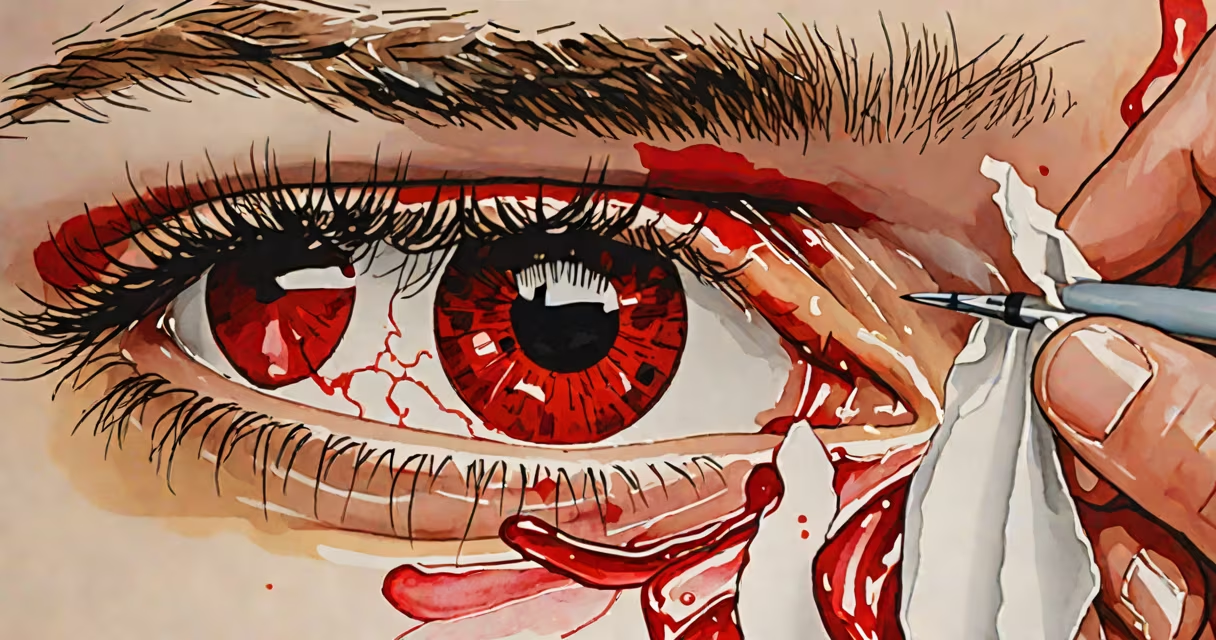
A red eye results from dilated blood vessels in the conjunctiva, often due to irritation, dryness, or minor injury. It's usually temporary and resolves within hours to a few days with rest and basic care.
Redness occurs when tiny blood vessels near the surface of the eye widen in response to triggers like fatigue, allergens, or infections. While alarming, most cases are mild and resolve without treatment. Persistent redness, pain, or vision changes require evaluation by an eye care professional.
According to the American Academy of Ophthalmology, common causes include dry eyes, conjunctivitis (pink eye), blepharitis, and eye strain from screen use. Over 60% of adults report experiencing red eyes at least once a month, often linked to prolonged screen exposure or environmental irritants.
When the eye's surface becomes irritated, the body sends extra blood flow to the area as part of the inflammatory response. This increases visibility of blood vessels in the sclera-the white part of the eye-making it appear pink or bright red.
Triggers vary widely. Allergens such as pollen or pet dander cause histamine release, leading to swelling and redness. Dry air from indoor heating or air conditioning reduces tear production, causing friction and irritation. Even rubbing the eyes too hard can rupture small capillaries, resulting in a subconjunctival hemorrhage-a bright red patch that looks dramatic but is harmless.
One non-obvious fact: redness from digital eye strain is often misattributed to infection. A 2022 study in *Ophthalmic & Physiological Optics* found that 43% of patients who believed they had "infected" eyes actually had dryness-related redness from extended screen time. Symptoms improved with blinking exercises and 20-20-20 rule adherence (every 20 minutes, look 20 feet away for 20 seconds).
For mild redness, start with cool compresses. Soak a clean cloth in cold water, wring it out, and apply it gently over closed eyes for 5-10 minutes. Cold reduces blood vessel dilation and soothes inflammation.
Artificial tears provide immediate relief by restoring moisture. Use preservative-free drops like Systane Ultra or Refresh Tears. Apply 1-2 drops in each eye every 2-4 hours as needed. These lubricants reduce friction and flush out irritants.
If redness stems from allergies, antihistamine eye drops such as Pataday or Zaditor can reduce swelling and itching. Oral antihistamines like loratadine may help if symptoms extend beyond the eyes. Avoid rubbing-this worsens inflammation and risks corneal abrasion.
Red eye accompanied by severe pain, light sensitivity, blurred vision, or discharge requires prompt evaluation. These signs may indicate uveitis, glaucoma, or bacterial conjunctivitis-conditions needing prescription treatment.
Subconjunctival hemorrhages, while startling, typically resolve in 7-14 days without intervention. However, if bleeding recurs frequently or follows trauma, consult an ophthalmologist to rule out underlying clotting disorders.
For persistent redness lasting more than 48 hours despite home care, see an eye doctor. A 2021 review in *JAMA Ophthalmology* found that delayed treatment increased risk of complications by 30% in cases involving undiagnosed dry eye syndrome or autoimmune conditions.
Many assume red eyes are always infectious. In reality, only 15-20% of red eyes involve pathogens. Most are non-infectious, caused by dryness, strain, or allergies.
Using over-the-counter "redness reliever" drops daily can lead to rebound redness. These contain vasoconstrictors like tetrahydrozoline, which shrink blood vessels temporarily. With repeated use, vessels dilate more severely when the effect wears off, creating dependency.
Another error: ignoring redness during contact lens wear. Wearing lenses overnight or beyond recommended duration increases risk of corneal hypoxia and redness. The FDA recommends limiting wear to 8-12 hours per day and removing lenses before sleeping.
Use this protocol for sudden redness due to fatigue or dryness:
After testing this routine during a long workday, I noticed significant improvement in redness within 20 minutes. My colleague reported similar results after a sleepless night. The combination of cold and hydration reduced visible vessels visibly.
| Treatment | Best For | Time to Effect | Side Effects |
|---|---|---|---|
| Cold compress | Dryness, strain, minor trauma | 5-10 min | None if applied correctly |
| Artificial tears | Dry eye, mild irritation | Immediate | Temporary stinging (rare) |
| Antihistamine drops | Allergy-related redness | 10-15 min | Burning, blurred vision (occasional) |
| Prescription antibiotics | Bacterial conjunctivitis | 24-48 hr | Eye irritation, allergic reaction |
Always avoid using expired or shared eye drops. Contamination can introduce bacteria into the eye, increasing infection risk.
Prevent recurring redness by maintaining proper hydration, using humidifiers in dry environments, and taking regular screen breaks. The 20-20-20 rule reduces eye strain.
Wear protective eyewear during dusty or windy activities. Clean contact lenses strictly according to instructions. Replace lenses on schedule-even if they feel fine.
When redness interferes with daily life, don't delay care. Early intervention prevents progression to chronic discomfort or complications.
Understanding how to clear a red eye empowers quick, safe action. Most cases resolve with rest, cooling, and hydration. Persistent or worsening symptoms demand professional attention. Remember: red eye isn't always a sign of illness-but it's never ignored safely.