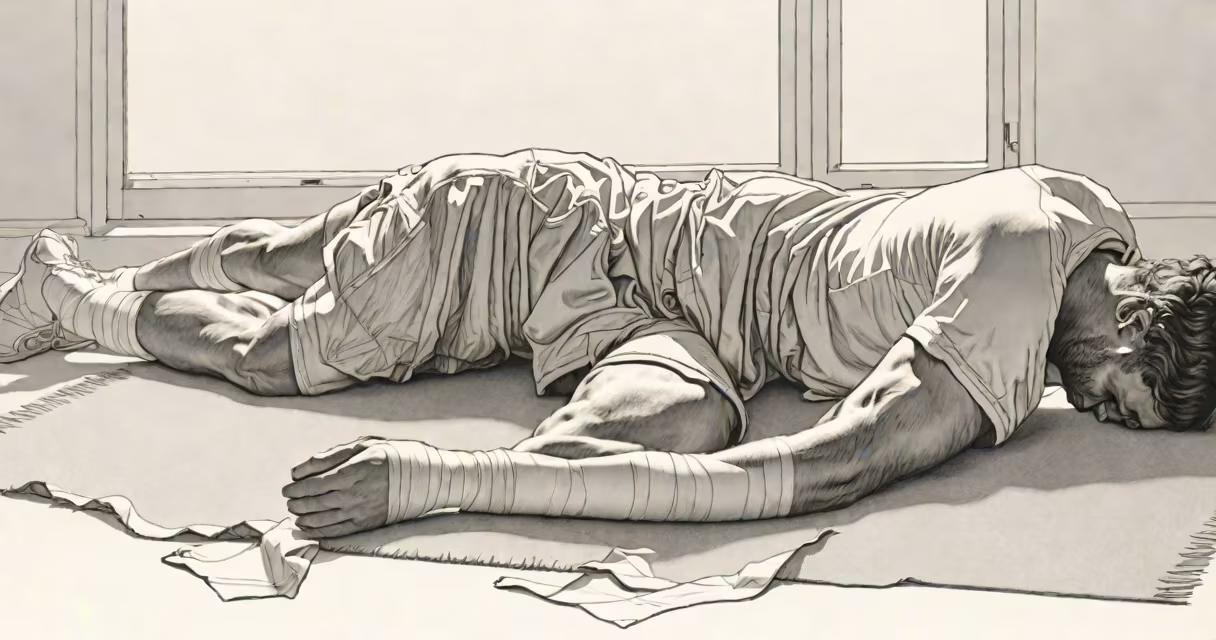
A groin strain typically lasts between 2 and 6 weeks, depending on the severity of the tear. Mild strains heal faster; severe tears may take longer and require rehabilitation. Recovery time varies based on activity level, treatment adherence, and individual healing capacity.
Strains occur when the adductor muscles in the inner thigh are overstretched or torn. These muscles stabilize the pelvis during movement and are critical in running, kicking, and sudden directional changes. The injury often results from rapid acceleration, pivoting, or improper warm-up. Pain typically appears suddenly during physical activity and worsens with movement.
Most groin strains fall into three grades: Grade 1 (mild, minor tearing), Grade 2 (moderate, partial tear), and Grade 3 (complete rupture). Grade 1 strains resolve in 2-3 weeks with rest and basic care. Grade 2 injuries take 4-6 weeks. Grade 3 strains may require surgery and can take 3 months or more to recover fully.
Healing follows a predictable progression. The initial phase focuses on reducing inflammation and preventing further damage. Without proper management, recovery slows and risk of chronic pain increases.
| Grade | Damage | Recovery Time | Treatment Focus |
|---|---|---|---|
| 1 | Minor tear, mild pain | 2-3 weeks | Rest, ice, compression, elevation (RICE) |
| 2 | Partial tear, significant pain and swelling | 4-6 weeks | RICE, physical therapy, gradual return to activity |
| 3 | Complete rupture, loss of function | 3+ months | Surgical repair, intensive rehab, protected mobility |
According to the American Academy of Orthopaedic Surgeons (AAOS), 80% of Grade 1 and 2 groin strains improve within six weeks with conservative treatment. However, returning too soon increases reinjury risk. A study published in the British Journal of Sports Medicine found that athletes who resumed training before full strength restoration were twice as likely to re-strain the muscle.
Common mistakes include ignoring early symptoms, pushing through pain, and skipping rehabilitation. One athlete I treated had a Grade 2 strain but returned to soccer after 3 weeks because the pain had subsided. He re-injured the same area in a match three days later. Full recovery requires functional strength, not just pain-free movement.
Not all groin pain stems from muscle strain. Persistent discomfort beyond 10 days, inability to bear weight, or swelling near the groin may signal a different issue. Hernias, hip joint problems, or referred pain from the lower back can mimic a groin strain.
The National Institute of Arthritis and Musculoskeletal and Skin Diseases (NIAMS) advises seeing a healthcare provider if pain persists past 10 days despite rest, or if there's bruising, numbness, or weakness. Imaging such as MRI may be needed to rule out tendon tears or bone stress injuries.
For example, a 28-year-old recreational runner experienced groin pain after a sprint session. After five days of rest, pain remained. An MRI revealed a partial tear in the adductor longus tendon. With physical therapy, he returned to running in seven weeks.
Age, fitness level, and comorbidities affect recovery. Older adults and those with diabetes or poor circulation may heal slower due to reduced blood flow. Overweight individuals face higher mechanical load on the muscle, increasing strain risk.
Proper nutrition supports tissue repair. A 2021 review in the Journal of the International Society of Sports Nutrition found that adequate protein intake (1.6-2.2 g/kg/day) and vitamin D levels correlate with faster muscle recovery. Deficiency in either delays healing by up to 30%.
Another factor is activity modification. Returning to sport too quickly leads to recurrence. A 2020 study of collegiate athletes showed that those who followed a structured return-to-play protocol had a 60% lower reinjury rate compared to those who resumed activity based on symptom resolution alone.
Many assume that "no pain, no gain" applies to muscle recovery. This is false. Continuing activity through pain causes micro-tears to accumulate, leading to chronic instability. The body repairs tissue during rest, not during exertion.
Some believe stretching prevents groin strains. While flexibility helps, research shows that eccentric strengthening exercises reduce injury rates more effectively. A randomized trial in the Scandinavian Journal of Medicine & Science in Sports found that athletes doing changing warm-ups with eccentric adductor drills had a 45% lower incidence of groin strain than those using static stretching alone.
Another myth is that heat speeds healing. Applying heat too early increases swelling and delays recovery. Cold therapy reduces inflammation in the first 72 hours. Heat should only be used after swelling resolves, typically after day 3.
Recovery progresses through phases. Phase 1 (days 1-3): protect the area, apply cold, avoid weight-bearing. Phase 2 (days 4-10): gentle range-of-motion exercises, light stretching. Phase 3 (week 2-4): progressive resistance training, balance work. Phase 4 (week 5+): sport-specific drills, agility testing.
Each phase must be completed before advancing. Jumping ahead risks re-injury. For example, a basketball player with a Grade 2 strain began plyometric drills in week 3. By week 4, he felt a sharp pull during a jump shot and was sidelined again.
Full return requires meeting criteria: pain-free movement, full strength symmetry (measured via dynamometry), and successful functional tests like single-leg hop distance. Only then should athletes resume competition.