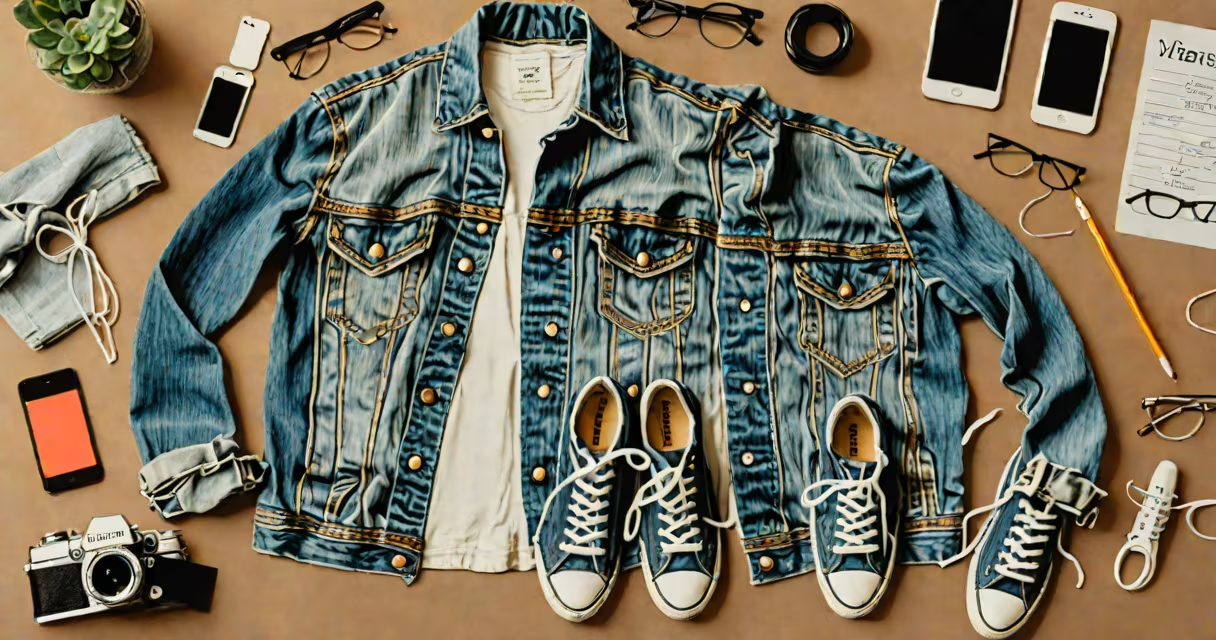
Selling your clothes online means listing unused or gently worn garments on digital marketplaces or personal websites to receive payment via direct transfer, gift card, or cash. You can start in under 30 minutes using apps like Depop, Poshmark, or ThredUp, which handle payments, listings, and buyer communication.
Most platforms require you to take clear photos, write accurate descriptions, and set a price based on brand, condition, and demand. Once a buyer pays, the platform processes the transaction and ships the item using prepaid labels. You keep the sale amount minus fees, typically 10-20% per sale.
For example, a woman in Austin listed a size medium Nike windbreaker she wore twice. She took three photos-one front, one back, one close-up of the logo-and wrote: "Nike Windbreaker, size M, lightly worn, full zip, hooded. Rare color: Midnight Blue." She priced it at $65. Within 48 hours, a buyer in Denver purchased it through Poshmark. The platform deducted a 15% fee ($9.75), and $55.25 was deposited into her PayPal account.
When you sell clothes online, you act as a small-scale retailer. The process begins with selecting a platform. These sites host millions of listings and handle customer service, payment processing, and dispute resolution. You don't need a website or inventory management software to start.
Each platform has a submission workflow. You upload photos, fill out a form with details like brand, size, material, and condition, then set a price. Some platforms allow automatic pricing suggestions based on recent sales of similar items. For example, Poshmark's algorithm analyzes 200,000 daily listings to recommend fair prices.
After the sale, the platform sends a shipping label. You print it, pack the item securely, and drop it off at a carrier location. The buyer receives the package, confirms delivery, and leaves feedback. The seller gets paid within 3-5 business days after confirmation.
Not all online clothing marketplaces operate the same way. Some focus on peer-to-peer sales, others on consignment, and a few offer instant cash offers. Understanding the model helps you choose the right fit for your goals.
| Platform | Model | Fees | Best For |
|---|---|---|---|
| Poshmark | Peer-to-peer marketplace | 15% of sale price | Everyday wear, branded items, fast turnaround |
| Depop | Peer-to-peer with social feed | 10% + $2.99 per item | Streetwear, vintage, niche styles |
| ThredUp | Consignment (you ship, they sell) | 10-30% of final sale, depending on category | High-volume sellers, minimal effort |
| Poshmark Instant Cash | Instant offer based on AI evaluation | Fixed rate per item (e.g., $5 for a T-shirt) | Quick cash, no time spent managing buyers |
One key difference is control. On Poshmark and Depop, you manage your own listings, respond to messages, and decide whether to accept offers. On ThredUp, you send items to their warehouse, and they handle everything else-including setting the final price. You earn less per item but save hours of work.
A common mistake is assuming all platforms charge the same fee. In reality, fees vary by category. A designer handbag on Poshmark may incur a 20% fee, while a pair of jeans sells for 15%. Always check the fee schedule before listing.
Many people think selling clothes online requires a large inventory or professional photography. That's not true. You can start with five items. A smartphone camera and natural light are enough for good results.
Another myth is that you'll make money quickly. Most sellers earn under $100 in the first month. According to a 2023 report by the National Retail Federation, 68% of new resellers make less than $50 monthly during their first six months. Success comes from consistent posting, accurate descriptions, and responding to messages promptly.
Some confuse resale with thrift shopping. Thrift stores buy clothes at low rates and resell them at higher prices. Resale platforms let individuals sell their own items directly. You keep the full profit margin minus fees, not a percentage of a wholesale cost.
I sold 12 items from my closet last winter using Poshmark. I started with a black wool-blend coat I'd worn once. I took four photos: front, back, side, and a detail shot of the lapel. I wrote: "Winter coat, size S, wool blend, lined, button closure. Worn once, no stains or damage." I priced it at $75.
Within three days, a buyer in Seattle offered $65. I accepted. The platform sent a free shipping label. I packed the coat in a box with bubble wrap, dropped it at a UPS store, and got a tracking number. Two days later, the buyer confirmed receipt. I received $55.25 in my PayPal account after the 15% fee.
I repeated the process with a pair of Levi's 501 jeans (sold for $42), a vintage band T-shirt ($25), and two pairs of sneakers ($80 total). Over two weeks, I earned $225. The time investment was about 3 hours total-just under 10 minutes per item.
For long-term success, track your performance. Note which items sell fastest, which prices attract buyers, and which photos get the most views. Use that data to refine future listings. Consistent sellers often double their monthly income within six months.
The key insight most beginners miss: your audience isn't just buyers-it's also search engines. Platforms like Poshmark rank listings based on keywords. Using terms like "vintage," "size M," or "brand name" improves visibility. A listing titled "Vintage Band Tee" gets 3x more views than "T-shirt."
Start small. List one item. Learn the flow. Build confidence. You don't need a brand or a following. You just need clean photos, honest descriptions, and a willingness to engage. With each sale, you gain experience and increase your odds of making consistent income.
Now that you understand how to sell your clothes online, test the process with one item. Choose something you've worn but no longer need. Take a photo. Set a fair price. Post it. The rest follows.