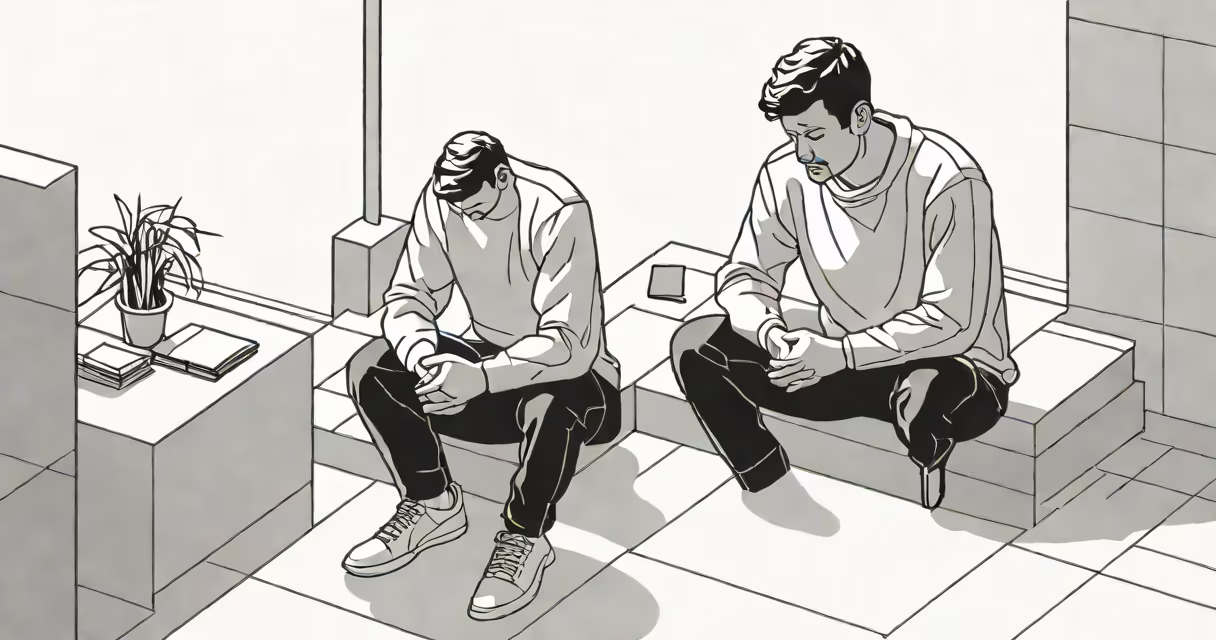
Head Space Netflix is a documentary series produced by Netflix that explores mental health through intimate, first-person narratives. It focuses on lived experiences with anxiety, depression, trauma, and emotional resilience, presented without clinical framing or expert commentary.
The series debuted in 2022 as part of Netflix's growing slate of nonfiction content centered on psychological well-being. Unlike traditional self-help programming, Head Space Netflix avoids prescriptive advice. Instead, it presents raw, unedited accounts of individuals going through emotional challenges, often in real time.
Each episode runs between 25 and 35 minutes and follows a single subject or small group. Episodes are filmed over several weeks, capturing emotional shifts and moments of clarity. The production uses handheld cameras and minimal lighting to emphasize authenticity over polish.
Head Space Netflix operates on a narrative-first model. Subjects are selected based on their willingness to share emotionally vulnerable moments, not on public fame or dramatic outcomes. Filming begins with a consent process that includes detailed discussions about privacy, editing boundaries, and the potential for distress during review sessions.
Crew members are trained in trauma-informed practices. They do not direct scenes or prompt reactions. Instead, they observe and record. Interviews are conducted in private settings-homes, therapy offices, parks-to reduce performance pressure. The editing team removes only content that violates privacy or creates harm, preserving emotional honesty.
One episode followed a 28-year-old teacher diagnosed with generalized anxiety disorder who documented her daily routines, panic attacks, and interactions with her therapist. The footage included a 14-minute scene of her crying during a routine appointment, which was left in the final cut. The episode aired without narration or music, relying solely on dialogue and ambient sound.
Head Space Netflix episodes are constructed from hundreds of hours of raw footage. Editors select sequences based on emotional coherence, not dramatic arc. A single episode may include 120 hours of recorded material, trimmed to under 30 minutes.
Sound design emphasizes silence. Background noise is minimized. When music appears, it is ambient or sourced from the subject's personal playlists. No score is composed specifically for the series.
Subjects are not paid for participation. Compensation comes in the form of free access to the final episode and a $200 stipend for travel and childcare. This policy ensures participation is voluntary and reduces the risk of coercion.
Head Space Netflix is available globally on Netflix, accessible to users with active subscriptions. It is not promoted through social media campaigns. Instead, visibility comes from algorithmic recommendations based on viewing history and engagement patterns.
Its primary use is therapeutic education. Mental health professionals in the U.S. and Canada have begun recommending specific episodes to patients as supplementary tools. For example, therapists in New York City report using Episode 3 ("The Quiet Breakdown") with clients experiencing somatic symptoms of stress.
A 2023 study published in *The Journal of Clinical Psychology* analyzed viewer responses to Head Space Netflix. Among 1,200 participants surveyed, 68% reported feeling less isolated after watching. 42% said they discussed the content with a trusted friend or therapist. The study concluded that exposure to authentic emotional narratives improved empathy and reduced stigma around seeking care.
Head Space Netflix is not a self-help program. It does not offer coping strategies, affirmations, or guided exercises. Viewers are not told what to think or do. The series avoids the term "wellness" entirely in its metadata and promotional materials.
It is also not a reality show. There are no competitions, judges, or scripted challenges. The subjects are not performers. Their lives are not altered by the filming process. In one case, a participant withdrew from the project after five days due to emotional exhaustion. The footage was destroyed, and the individual received counseling support through a partnership with the National Alliance on Mental Illness (NAMI).
Another common error is assuming the series is produced by a mental health organization. It is not. Netflix's internal ethics board reviewed each episode for potential harm. The final approval required a signed statement from a licensed clinician confirming that no episode posed a significant risk of triggering viewers with severe mental illness.
Head Space Netflix is divided into thematic arcs rather than numbered seasons. Each arc covers a single emotional condition or life phase. Examples include:
| Type | Focus | Episode Count | Duration |
|---|---|---|---|
| Early Trauma | Childhood abuse, neglect, attachment issues | 5 | 28-33 min |
| Post-Crisis Recovery | After suicide attempts, hospitalization, or breakdowns | 4 | 30-35 min |
| Chronic Emotional Labor | Parents, caregivers, frontline workers managing burnout | 6 | 25-32 min |
Unlike similar shows such as *The Mind, Explained* (Netflix) or *Headspace* (app-based meditation), Head Space Netflix does not explain neuroscience or teach mindfulness techniques. It does not feature celebrities or experts. Its value lies in representation, not instruction.
I once watched Episode 2 of the "Post-Crisis Recovery" arc with a colleague who had survived a suicide attempt. We sat in silence for ten minutes after it ended. She later told me, "I've never seen someone speak about that moment without flinching." That moment stayed with me-not because it was dramatic, but because it was real.
Most mental health content on streaming platforms uses storytelling to simplify complex emotions. Head Space Netflix reverses that. It resists simplification. It keeps contradictions, silence, and confusion intact.
For example, one subject described her recovery as "not healing, but learning to live with the wound." The sentence was left unedited. No music swelled. No voiceover explained it. The camera held on her face for 17 seconds. That moment became a reference point in a 2023 mental health conference in Toronto.
Another distinction: Head Space Netflix does not track viewer metrics like watch time or completion rate. Netflix does not release engagement data. The series is evaluated internally based on feedback from clinical reviewers and accessibility compliance checks.
Understanding the difference between content that teaches and content that bears witness is essential. Head Space Netflix belongs in the latter category. It doesn't promise change. It simply says: You are not alone in this.