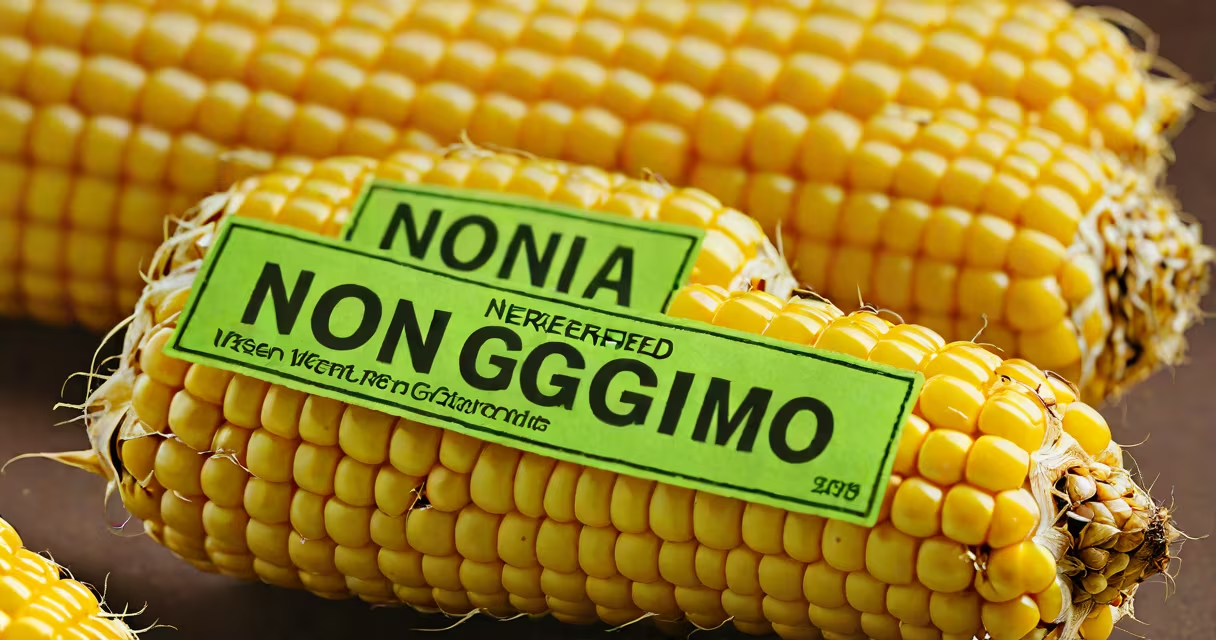
GMO products meaning refers to foods derived from genetically modified organisms-plants or animals whose DNA has been altered using biotechnology to introduce specific traits such as pest resistance, herbicide tolerance, or improved nutritional content. These modifications are made in a lab, not through traditional breeding.
Genetic modification involves inserting genes from other species into a crop's genome. For example, Bt corn contains a gene from the bacterium Bacillus thuringiensis that produces a protein toxic to certain insects. This reduces the need for chemical pesticides. The process is precise and targeted, unlike older methods such as mutagenesis, which randomly alter DNA.
The U.S. Department of Agriculture (USDA) defines GMOs as organisms whose genetic material has been altered using techniques that do not occur naturally. The FDA and EPA also regulate different aspects of GMO development and commercialization. According to the National Academies of Sciences, Engineering, and Medicine, there is no evidence that GMO crops currently on the market pose greater health risks than conventional crops.
Developing a GMO product begins with identifying a desired trait-such as drought tolerance in wheat or reduced browning in apples. Scientists isolate the gene responsible for that trait, often from another organism, then insert it into the host plant's genome using tools like CRISPR-Cas9 or Agrobacterium-mediated transformation.
Once developed, the product undergoes rigorous testing. The USDA evaluates environmental impact, particularly whether the modified plant could become invasive. The FDA assesses food safety, requiring data on allergenicity, toxicity, and nutritional composition. The EPA regulates pesticidal traits, such as those in Bt crops.
For example, the Arctic Apple was engineered to resist browning by silencing the gene responsible for enzymatic oxidation. It underwent review by the USDA, FDA, and EPA before being approved for sale in 2015. It remains the only commercially available non-browning apple variety.
Most GMO crops grown globally are used for animal feed or industrial processing. The most widely cultivated GMO crops include soybeans, corn, cotton, and canola. These are primarily modified for herbicide tolerance (e.g., Roundup Ready soybeans) or insect resistance (e.g., Bt corn).
| Type | Common Crops | Modified Trait | Primary Use |
|---|---|---|---|
| Herbicide-tolerant | Soybean, corn, canola | Survives glyphosate-based herbicides | Field weed control |
| Insect-resistant | Corn, cotton | Produces Bt toxin | Reduces insect damage |
| Disease-resistant | Papaya (Hawaii) | Resists ringspot virus | Prevents crop loss |
| Nutritionally enhanced | Rice (Golden Rice) | Produces beta-carotene | Combats vitamin A deficiency |
While most GMOs are used in agriculture, some are designed for direct human consumption. Golden Rice, developed to combat vitamin A deficiency in developing countries, contains genes from daffodils and a soil bacterium to produce beta-carotene, a precursor to vitamin A. It was approved for cultivation in the Philippines in 2021 after over a decade of regulatory review.
GMO crops are grown in over 30 countries, with the United States, Brazil, Argentina, Canada, and India leading in acreage. In the U.S., over 90% of corn and soybeans planted are genetically modified. These crops are used primarily in processed foods, animal feed, and biofuels.
Consumers encounter GMO products daily. High-fructose corn syrup, vegetable oils, and many breakfast cereals contain ingredients derived from GMO crops. Even meat and dairy products may come from animals fed GMO feed-though the animals themselves are not genetically modified.
A common misconception is that all GMOs are patented and controlled by large corporations. While companies like Bayer (formerly Monsanto) hold patents on many GMO seeds, public-sector research institutions have also developed GMOs. The Water Efficient Maize for Africa (WEMA) project, led by the African Agricultural Technology Foundation, developed drought-tolerant maize for smallholder farmers in sub-Saharan Africa.
One widespread error is equating GMOs with "unnatural" or "unsafe." But all food crops have been altered through human intervention since domestication began. Selective breeding, irradiation, and hybridization are forms of genetic modification-just not molecular ones. The difference lies in precision: modern GMOs allow scientists to insert specific genes rather than relying on random mutation and selection.
Another myth is that GMOs cause cancer or other chronic diseases. The World Health Organization (WHO) states that "there is no evidence that GM foods currently on the market pose a risk to human health." Similarly, the European Food Safety Authority (EFSA) concluded in 2018 that GMOs are as safe as their non-GMO counterparts.
I once visited a field trial of drought-resistant wheat in Kansas. The plants were visibly sturdier under dry conditions compared to non-modified varieties. The researcher explained that the modification involved a single gene from a wild relative, not a foreign species. That clarity-precision, not randomness-helps explain why some GMOs are safer and more effective than traditional breeding.
Labeling laws vary globally. In the U.S., the National Bioengineered Food Disclosure Standard (NBFDS) requires disclosure of bioengineered ingredients if they differ from conventional versions. Labels can appear as text ("Contains bioengineered ingredients"), a symbol, or a QR code linking to details.
Some consumers prefer non-GMO options. The Non-GMO Project, a nonprofit, verifies products through third-party audits. Over 60,000 products carry its seal. However, the term "non-GMO" doesn't imply safety or nutritional superiority-it only indicates absence of genetic engineering.
When shopping, look for the USDA Organic label if you want to avoid GMOs entirely. Organic standards prohibit GMOs, but organic certification does not guarantee non-GMO status for all ingredients-some processed foods may still contain trace amounts.
gmo products meaning does not refer to all processed or packaged foods. It specifically applies to items derived from organisms whose DNA has been altered using recombinant DNA technology. Foods like fermented yogurt, aged cheese, or pasteurized milk are not GMOs-even though they involve biological processes-because no new genes are inserted.
Also, GMOs are not synonymous with "chemical-laden" or "industrial." Many GMO crops reduce pesticide use. Bt cotton, for example, decreased insecticide applications by 37% in India between 2002 and 2014, according to a study published in *Nature Biotechnology*.
Understanding gmo products meaning means recognizing both the science and the context. It's not about fear or hype. It's about informed choice. Whether you choose to eat GMOs or avoid them, knowing how they're made and regulated empowers better decisions.