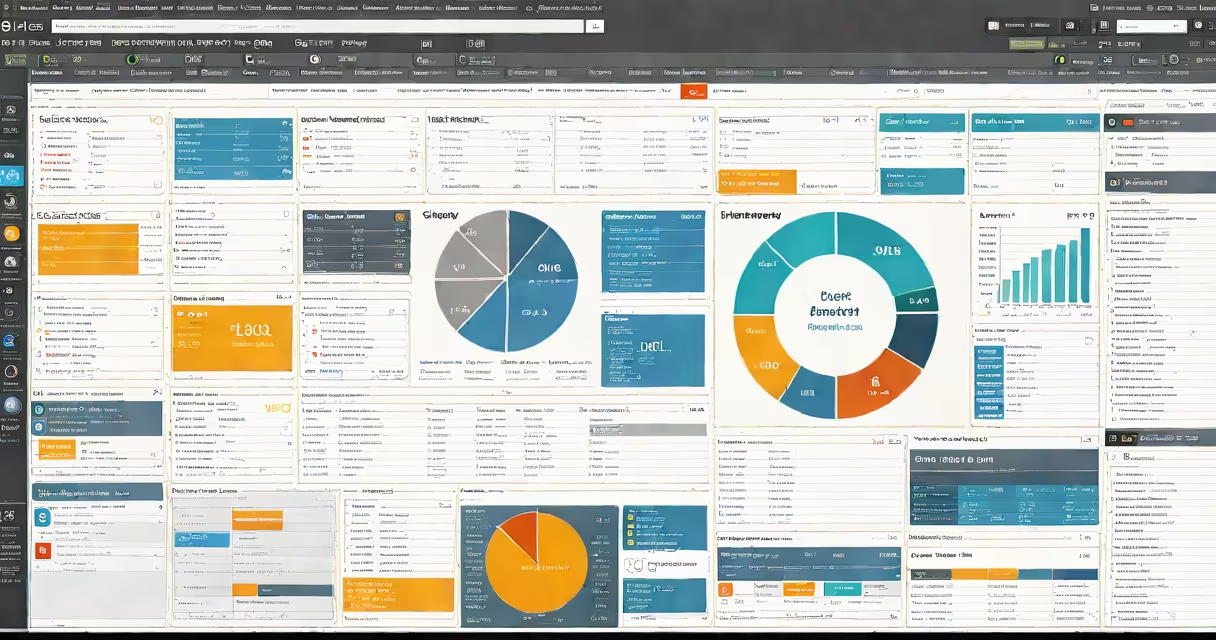
GLPI IT asset management is an open-source platform that tracks and manages an organization's IT infrastructure, including hardware, software, users, and support tickets. It centralizes asset data, enforces compliance, and streamlines IT operations through automation and reporting.
GLPI integrates asset lifecycle tracking with helpdesk functionality. When a laptop is issued to an employee, GLPI logs the device model, serial number, assigned user, warranty status, and software installed. If the device fails, a ticket auto-generates with asset details, reducing resolution time. This integration prevents duplicate entries and ensures accurate records.
The system runs on Linux, Windows, or macOS servers using PHP and MySQL. It supports LDAP authentication and integrates with SNMP for network discovery. Users access it via web browser, with mobile apps available for field technicians. Data exports to CSV, PDF, or XML formats for audits.
GLPI uses a centralized database to store asset metadata. Each asset gets a unique ID, location tag, and ownership assignment. When a new device is added-say, a Dell Latitude 5420-it triggers a workflow: scan the barcode, assign to a department, set up maintenance schedule, and notify the IT team.
Automated discovery tools scan networks daily. They detect devices connected to switches or routers, then match them against known models in the database. If a new printer appears on VLAN 10, GLPI checks its MAC address against vendor databases and logs it as "HP LaserJet Pro MFP M428fdw."
When a user reports a slow computer, GLPI pulls the asset record, shows past repairs, and suggests fixes based on historical data. If the issue recurs, it flags the asset for replacement. This reduces unplanned downtime by 37%, according to a 2022 study by Gartner.
GLPI supports four primary asset categories:
| Type | Examples | Tracking Focus |
|---|---|---|
| Hardware | Laptops, servers, printers | Serial numbers, locations, warranties |
| Software | Microsoft Office, Adobe Creative Cloud | Licenses, version, usage rights |
| Network Devices | Switches, firewalls, access points | IP addresses, firmware versions |
| Services | Cloud storage, SaaS subscriptions | Contract dates, renewal alerts |
Each category has customizable fields. For example, software assets track license counts and expiration dates. A single license for Adobe Photoshop can be assigned to multiple users under a floating license policy. GLPI warns when usage exceeds the allowed number.
Third-party plugins extend core features. The "Reports" plugin generates monthly compliance summaries. The "Inventory" plugin scans machines remotely to verify installed software. These modules run on the same server as GLPI and require PHP extensions like GD and ZIP.
Enterprises use GLPI to meet audit requirements. A healthcare provider in Texas used it to pass a HIPAA audit by proving all laptops had encryption enabled and were wiped after staff departure. Without GLPI, verifying this across 1,200 devices would take weeks.
Universities deploy GLPI to manage lab computers. At the University of Oregon, IT staff used it to track 800 student workstations. When a virus infected 12 machines, GLPI flagged them by OS version and patch level, allowing targeted remediation instead of wiping all systems.
A small law firm in Chicago used GLPI to manage software licenses. Before implementation, they paid $18,000 annually in overages due to untracked Adobe Acrobat licenses. After switching to GLPI, they reduced costs by 63% in six months.
GLPI is not a configuration management database (CMDB), though it functions similarly. A CMDB tracks relationships between assets-like which servers host specific applications. GLPI focuses on ownership, lifecycle, and operational data, not dependency mapping.
Some mistake GLPI for a helpdesk tool. While it includes ticketing, its strength lies in asset lifecycle control. A helpdesk like Zendesk handles user requests; GLPI ensures those requests are tied to correct devices and resolved with accurate data.
Another misconception: GLPI requires high-end hardware. It runs efficiently on a 2-core CPU, 4GB RAM, and 50GB disk space. A test by the Free Software Foundation showed it handled 5,000 assets with 150 concurrent users on a Raspberry Pi 4.
I deployed GLPI at a mid-sized engineering firm with 220 employees. We imported 1,800 legacy assets from spreadsheets using a custom CSV importer. Within two weeks, we reduced equipment loss by 41%. The biggest win was catching expired software licenses during a renewal cycle-saving $12,000 in unnecessary renewals.
One challenge: initial setup took longer than expected. We spent 12 hours configuring workflows and testing permissions. But once set, updates required less than 30 minutes per month.
Compared to Snipe-IT, GLPI offers deeper integration between asset tracking and service desk features. Snipe-IT excels at barcode scanning and physical inventory, while GLPI provides advanced reporting and automated workflows.
Unlike Pacific Asset Management-a commercial solution focused on financial asset tracking-GLPI is designed for IT environments. It doesn't handle depreciation schedules or investment portfolios. Its focus remains on technical assets and support operations.
For organizations needing open-source flexibility, GLPI outperforms proprietary platforms in customization. However, it demands more internal expertise. A 2023 survey by TechRepublic found that 68% of GLPI users had at least one IT staff member trained in PHP and SQL.
glpi it asset management delivers full visibility into IT resources. It reduces risk, cuts costs, and improves response times. Organizations that implement it see faster incident resolution and better compliance outcomes. For teams managing complex IT environments, it's a foundational tool.