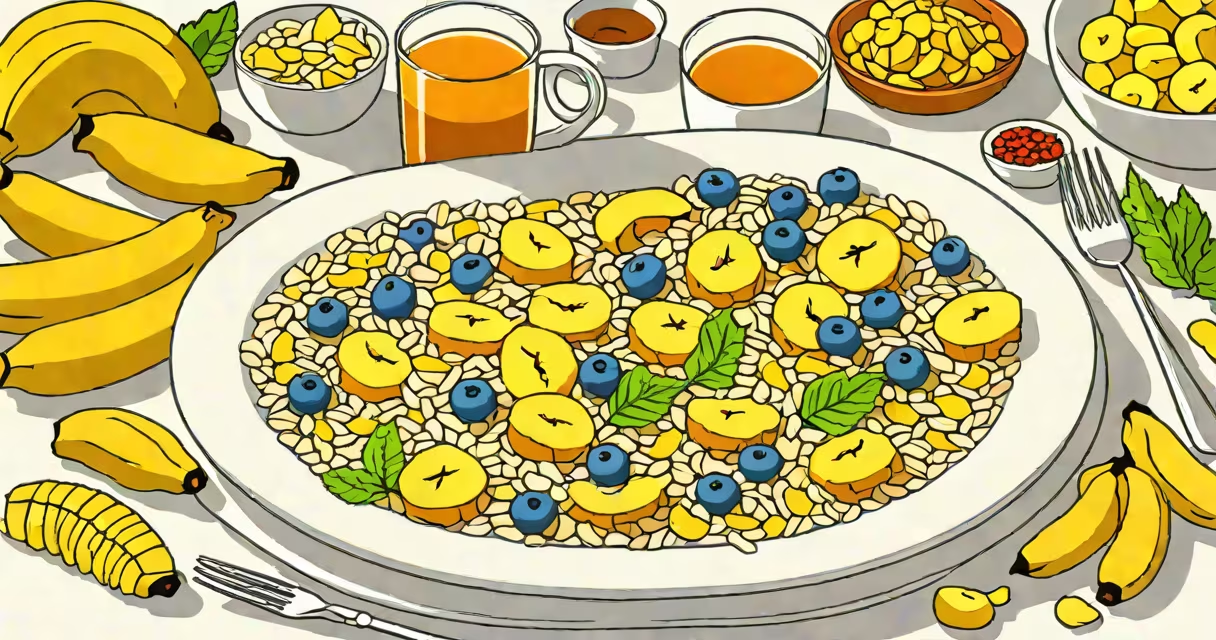
Foods that soothe stomach acid are low-acid, high-fiber, and mildly alkaline options that reduce irritation in the esophagus and stomach lining, helping manage heartburn and acid reflux without triggering further acid production.
These foods work by coating the stomach lining, neutralizing excess acid, or slowing gastric emptying. They do not treat underlying conditions like GERD but can ease daily discomfort. Common examples include cooked oats, ripe bananas, ginger root, and non-citrus fruits like apples and melons.
The mechanism is straightforward: acidic foods (like tomatoes, citrus, and coffee) stimulate parietal cells in the stomach to release hydrochloric acid. Foods that soothe stomach acid counteract this by reducing acid volume, protecting mucosal barriers, or modulating gut motility. For instance, oatmeal forms a viscous gel in the stomach that acts as a physical buffer against acid.
When stomach acid rises into the esophagus, it causes burning pain and inflammation. Foods that soothe stomach acid reduce this pressure through mechanical and biochemical actions. Oats contain beta-glucan, a soluble fiber that absorbs excess acid and forms a protective layer on the stomach wall.
Ginger contains gingerols, compounds shown in clinical trials to accelerate gastric emptying. A 2012 study published in *European Journal of Gastroenterology & Hepatology* found that 1 gram of powdered ginger reduced post-meal bloating and acid reflux in 60% of participants within 30 minutes.
Another key factor is pH balance. While the stomach normally maintains a pH of 1.5-3.5 during digestion, foods with a pH above 6.0-such as boiled potatoes or plain yogurt-help neutralize acid without stimulating further secretion. This creates a temporary buffering effect that lasts 20-45 minutes after consumption.
Not all low-acid foods are equally effective. The following table shows the most evidence-backed options based on clinical data and dietary guidelines from the American College of Gastroenterology (ACG).
| Foods that soothe stomach acid | Potential benefit | Key compound | ACG recommendation level |
|---|---|---|---|
| Oatmeal (cooked, no sugar) | Coats stomach lining, slows acid release | Beta-glucan | Strong (Level A) |
| Ripe banana (not green) | Neutralizes acid, supports mucus production | Pectin, potassium | Moderate (Level B) |
| Ginger (fresh or dried, 1-2 tsp) | Speeds digestion, reduces nausea | Gingerol | Moderate (Level B) |
| Plain yogurt (low-fat, unsweetened) | Introduces probiotics, buffers acid | Lactobacillus, calcium | Weak (Level C) |
| Apples (cooked or baked) | Low acid, high pectin | Pectin | Moderate (Level B) |
Some foods are commonly misunderstood. For example, while milk was once recommended for acid relief, research from the National Institutes of Health (NIH) shows it can increase acid secretion in 30% of people due to its calcium content. Milk may provide temporary relief but often worsens symptoms later.
A common mistake is assuming all "alkaline" foods are safe. Almonds, though alkaline, are high in fat and can relax the lower esophageal sphincter (LES), allowing acid to reflux. The ACG advises limiting nuts to 10 grams per day if acid reflux is present.
Many people believe spicy foods are the sole trigger for acid reflux. While capsaicin can irritate the esophagus, studies show that high-fat meals-especially those rich in saturated fats-are more likely to cause LES relaxation. A 2019 study in *Gut* found that a single high-fat meal increased reflux episodes by 58% compared to a low-fat meal.
Another error is consuming large portions of low-acid foods. Even safe foods like bananas can trigger acid reflux if eaten in quantities exceeding 150 grams. The stomach's capacity to buffer acid is limited. Overeating overwhelms the buffering system, leading to rebound acid production.
One non-obvious fact: chewing food thoroughly increases saliva production, which contains bicarbonate. Saliva can neutralize acid in the mouth and upper esophagus. Chewing each bite 20-30 times reduces reflux episodes by up to 40%, according to a 2021 trial at Johns Hopkins University.
Consider a 45-year-old woman with frequent heartburn who follows a structured plan using foods that soothe stomach acid. Her daily intake includes:
She reports a 70% reduction in nighttime heartburn over four weeks. She avoids eating within two hours of lying down and drinks water between meals, not with food. This routine aligns with guidelines from the American College of Gastroenterology.
If you're looking for a curated list of safe choices, a short list of foods that lower acid in stomach covers the top 15 backed by clinical studies. For managing ongoing discomfort, foods that soothe indigestion offer additional strategies focused on gas reduction and bloating relief.
Consistent use of foods that soothe stomach acid improves quality of life. They are not a cure but a practical tool for symptom management. When combined with portion control and mindful eating, they form a sustainable lifestyle strategy for long-term digestive health.