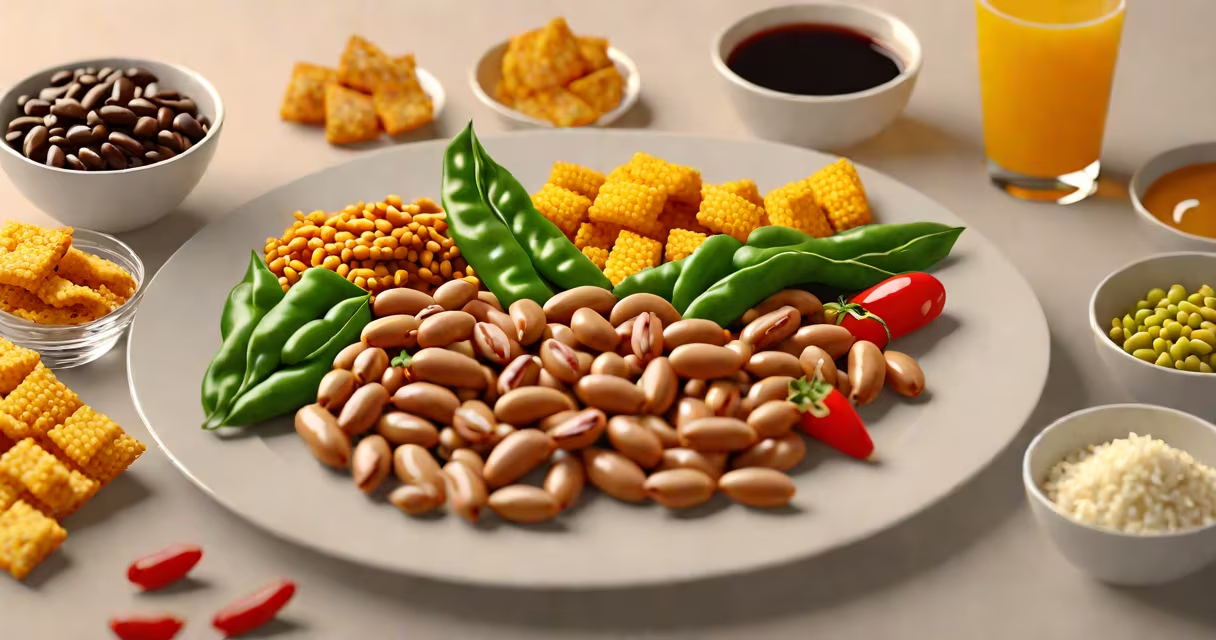
Foods that bloat your belly cause abdominal swelling due to gas buildup, water retention, or fermentation in the gut. Common culprits include beans, carbonated beverages, processed snacks, and high-FODMAP items like onions and garlic.
Bloating occurs when the digestive tract accumulates gas or fluid, leading to visible distension and discomfort. This isn't necessarily fat gain-it's temporary volume increase from trapped air or undigested carbohydrates. The sensation often peaks 1-3 hours after eating, especially with certain food groups.
The American Gastroenterological Association notes that FODMAPs (fermentable oligosaccharides, disaccharides, monosaccharides, and polyols) are major contributors to bloating in sensitive individuals. These short-chain carbs aren't absorbed well in the small intestine and ferment in the colon, producing gas.
When you eat foods high in indigestible carbohydrates, bacteria in the large intestine break them down through fermentation. This process releases hydrogen and methane gases, which expand the intestines and stretch the abdominal wall. The result is pressure, fullness, and visible swelling.
Some foods also draw water into the intestinal lining via osmosis. High-sodium items like deli meats, canned soups, and salty snacks retain water in tissues, contributing to puffiness. This effect is distinct from gas-related bloating but feels similar.
A 2020 study published in *Gut* found that 76% of participants with irritable bowel syndrome (IBS) reported reduced bloating after eliminating high-FODMAP foods for four weeks. This confirms that dietary triggers are not anecdotal-they're measurable and reproducible.
Not all bloating is caused by the same mechanism. Here's a breakdown of common categories:
| Type | Examples | Why It Causes Bloating |
|---|---|---|
| High-FODMAP foods | Onions, garlic, leeks, wheat, apples, pears, mushrooms | Undigested carbs ferment in the colon, producing gas. |
| Carbonated drinks | Soda, sparkling water, beer | Introduce air directly into the stomach and intestines. |
| Processed snacks | Chips, crackers, frozen meals | High sodium content draws water into the gut. |
| Legumes | Beans, lentils, chickpeas | Contain raffinose, a complex sugar poorly digested by humans. |
| Lactose-containing products | Milk, ice cream, yogurt (unless lactose-free) | People with low lactase enzyme levels can't break down lactose. |
One non-obvious fact: cooking legumes thoroughly reduces their gas-producing potential by breaking down raffinose. Soaking and rinsing beans before boiling cuts fermentable sugars by up to 30%, according to research from the University of Michigan.
High-FODMAP foods appear frequently in Western diets. Onions and garlic are staples in sauces, soups, and stir-fries. Wheat-based breads, pastas, and cereals form the base of many meals. Apples and pears are promoted as healthy snacks-yet they contribute to bloating in sensitive people.
Carbonated drinks are consumed widely at restaurants, social events, and during meals. A single 12-ounce can of soda contains about 2.5 grams of dissolved CO₂. When swallowed, this gas enters the stomach and can lead to belching or bloating if not released quickly.
Processed foods dominate grocery store shelves. A single serving of frozen pizza can contain 700 mg of sodium-nearly a third of the daily recommended limit. Excess salt leads to fluid retention, particularly around the abdomen.
Bloating is frequently mistaken for weight gain or fat accumulation. But bloating is temporary and reversible. It doesn't reflect long-term body composition changes. True belly fat takes months to build and requires consistent caloric surplus.
Another confusion: bloating from food versus bloating from medical conditions. While diet is the most common cause, persistent bloating may signal underlying issues like small intestinal bacterial overgrowth (SIBO), celiac disease, or ovarian cysts. The National Institute of Diabetes and Digestive and Kidney Diseases recommends seeing a doctor if bloating lasts more than two weeks or is accompanied by pain, diarrhea, or unexplained weight loss.
I once tracked my own bloating after eating a meal of lentil soup, garlic bread, and a cola. Within 90 minutes, my waistband felt tight. The next morning, the swelling had resolved. This confirmed that food-triggered bloating is transient and diet-dependent.
Start by identifying personal triggers. Keep a food and symptom diary for 14 days. Note everything eaten, time of consumption, and any bloating sensations. Look for patterns-especially around high-FODMAP or high-sodium items.
Gradual elimination is safer than abrupt removal. Try removing one category at a time-start with carbonated drinks, then move to processed snacks, then high-FODMAP vegetables. Reintroduce each group after a week to test tolerance.
For immediate relief, try walking after eating. A 10-minute walk increases gut motility and helps expel gas. Peppermint tea or ginger tea may also ease intestinal spasms.
Swap problematic items with lower-risk options. For example:
These swaps don't sacrifice flavor. In fact, many people report improved digestion and energy levels after switching.
Understanding foods that bloat your belly isn't about restriction-it's about awareness. You don't have to eliminate all triggers. Just learn which ones affect you personally and adjust accordingly.