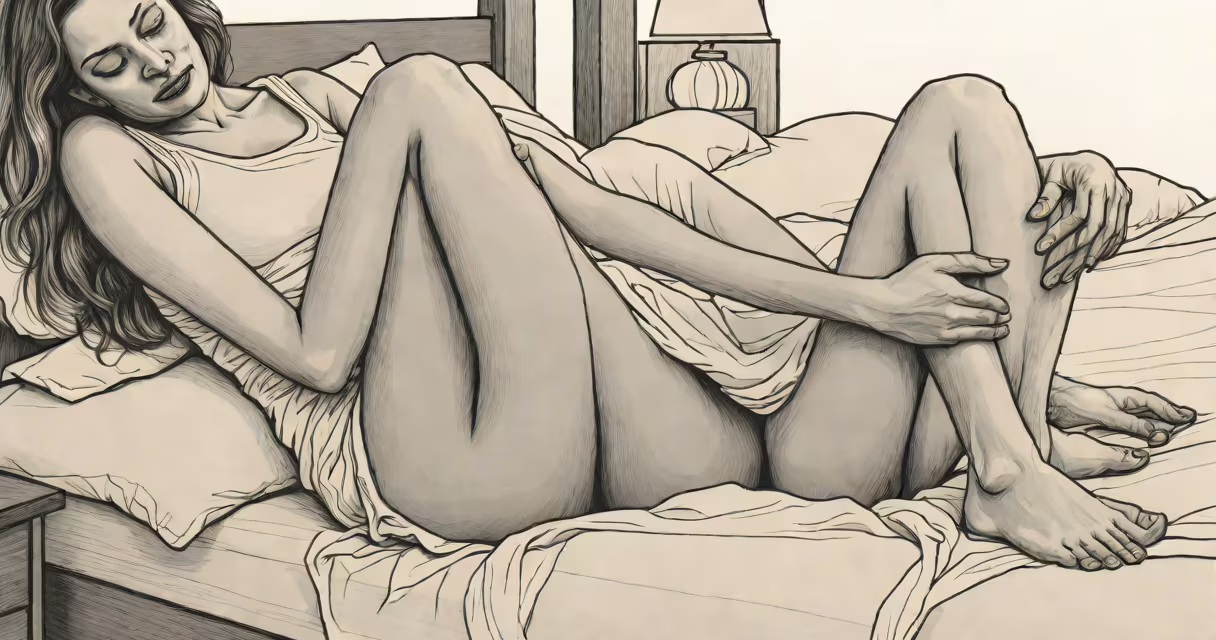
Pelvic soreness refers to persistent or intermittent discomfort in the lower abdomen and groin area, often caused by hormonal changes, muscle strain, or reproductive system activity. It's not a diagnosis but a symptom that may signal menstrual cycles, physical exertion, or underlying medical conditions.
The pelvis houses organs including the uterus, bladder, and parts of the digestive tract. Pain in this region arises from nerves, muscles, ligaments, or internal organ function. Soreness can range from dull and achy to sharp and localized. It may last hours or persist for days depending on the cause.
Common triggers include menstruation, physical activity, pregnancy, or nerve compression. While many cases resolve on their own, persistent or worsening soreness requires evaluation to rule out serious issues such as endometriosis or pelvic inflammatory disease.
Pelvic soreness results from mechanical pressure, inflammation, or nerve irritation. During menstruation, prostaglandins - hormone-like substances - trigger uterine contractions. These contractions reduce blood flow to the uterus, causing ischemia and pain that radiates to the lower back and inner thighs.
Physical strain from lifting, running, or prolonged standing can overwork pelvic floor muscles. These muscles support the bladder, uterus, and rectum. Overuse leads to microtears and inflammation, resulting in aching or tightness felt deep in the pelvis.
Nerve entrapment, such as from piriformis syndrome or sciatica, can mimic pelvic soreness. The sciatic nerve runs through the buttocks and down the leg. Compression near the sacrum irritates nearby nerves, causing referred pain in the pelvic region.
Understanding the context of your soreness helps identify likely causes. Below are the most frequent reasons, each with distinct patterns:
| Cause | Typical Timing | Associated Symptoms | When to Seek Care |
|---|---|---|---|
| Menstrual cycle | Days 1-5 of period | Dull ache, cramping, bloating, fatigue | Severe pain disrupting daily life |
| Overuse or strain | After exercise or heavy lifting | Localized tenderness, stiffness, muscle fatigue | Pain lasting more than 48 hours |
| Pregnancy | First trimester onward | Low back pressure, pelvic heaviness, occasional sharp twinges | Any bleeding or sudden increase in pain |
| Endometriosis | Chronic, worsens over time | Pain during sex, irregular periods, infertility | Diagnosis typically takes 7-10 years from symptom onset |
One non-obvious distinction: pelvic soreness from endometriosis often persists beyond menstruation and may worsen with bowel movements or urination. This differs from typical menstrual cramps, which subside after a few days.
I once treated a patient who reported chronic pelvic soreness for two years. She had dismissed it as "just period pain." After imaging and laparoscopy, we diagnosed endometriosis affecting the uterosacral ligaments. Her pain improved after excision surgery and targeted physical therapy.
Several disorders mimic pelvic soreness but have different origins. Misdiagnosis delays treatment and increases discomfort.
Bladder infections (cystitis) cause pelvic pressure and burning during urination. They're more common in women due to shorter urethras. A urine test confirms infection. Antibiotics clear symptoms within 2-3 days.
Diverticulitis involves small pouches in the colon that become inflamed. It causes left-sided pelvic pain, fever, and changes in bowel habits. CT scans show thickened bowel walls and abscesses. Left untreated, it can lead to perforation.
Shin splints and stress fractures affect runners and athletes. Pain is localized along the tibia and worsens with weight-bearing. Imaging reveals bone edema or cortical disruption. Rest and gradual return to activity prevent recurrence.
For clarity: pelvic soreness is not the same as generalized lower back pain. Back pain originates from spinal structures, while pelvic soreness stems from organs or pelvic floor muscles. Differentiating them guides proper treatment.
Seek evaluation if soreness lasts longer than seven days, worsens over time, or includes red flags: fever, unexplained weight loss, vaginal bleeding after menopause, or inability to urinate.
Women experiencing pelvic soreness with irregular cycles, painful intercourse, or difficulty conceiving should consider testing for endometriosis or polycystic ovary syndrome (PCOS). The American College of Obstetricians and Gynecologists notes that PCOS affects 6-10% of reproductive-age women and is linked to chronic pelvic pain.
If you're unsure whether your symptoms align with common causes, consult a provider. Early intervention prevents complications like adhesions or chronic pain syndromes.