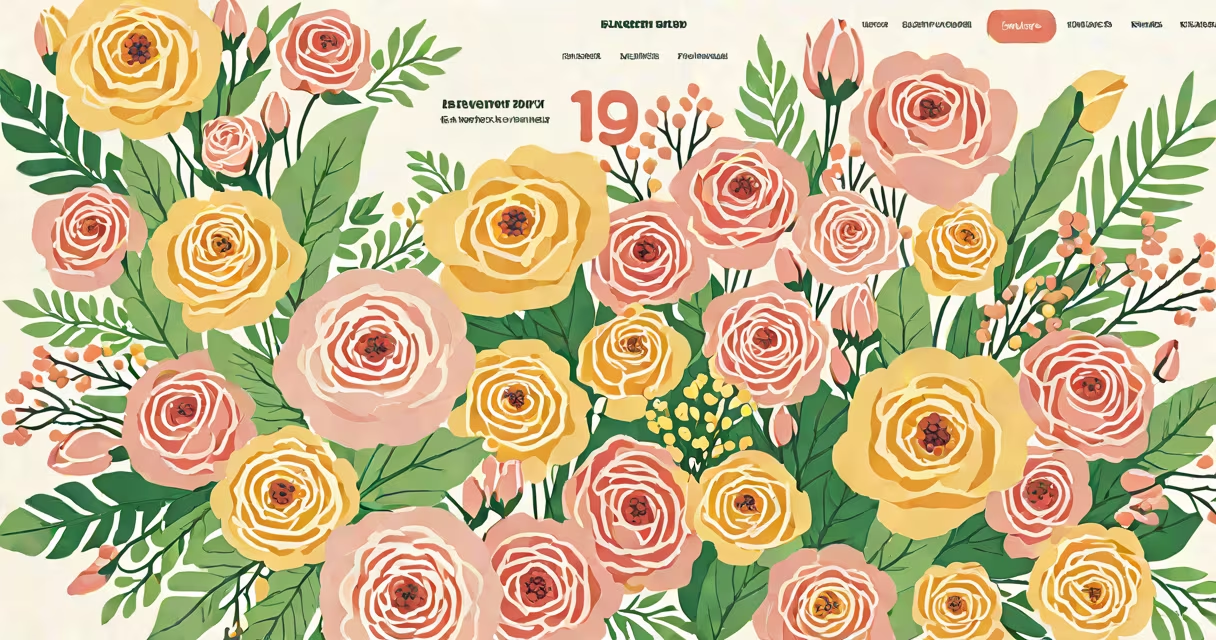
Florist web design is the creation of custom websites tailored for flower shops, combining visual appeal, product presentation, and smooth online ordering to convert visitors into customers. These sites prioritize high-quality imagery, intuitive navigation, and secure checkout systems to reflect the elegance and emotion behind floral gifts.
Unlike generic templates, effective florist web design integrates seasonal themes, event-based promotions (like Mother's Day or weddings), and real-time inventory updates. A well-designed site doesn't just display flowers-it tells a story through color, composition, and user flow, turning browsing into buying.
According to the National Association of Flower Sellers, 68% of consumers choose a florist based on their website quality. This statistic underscores that a site isn't just a digital brochure-it's a primary sales channel.
Florist web design begins with defining the brand's identity: tone, color scheme, and target audience. A boutique wedding florist may use muted tones and elegant typography, while a 24-hour urban delivery service uses bold colors and urgent messaging.
The core workflow includes uploading high-resolution photos of arrangements, categorizing products by occasion (birthday, sympathy, anniversary), and integrating a shopping cart with multiple payment options. All elements must load quickly-Google reports that 53% of users abandon sites taking longer than three seconds to load.
Behind the scenes, the site connects to a content management system (CMS) like WordPress or Shopify. This allows staff to update daily specials, add new seasonal collections, or manage orders without coding.
Every successful florist website includes these essential features:
| Feature | Purpose | Best Practice |
|---|---|---|
| High-res product images | Show texture, color, and arrangement details | Use 1200px wide images with zoom capability |
| Mobile-first layout | Ensure usability on smartphones | Test on iOS and Android devices |
| Secure checkout | Protect customer data and build trust | Display SSL badges and PCI compliance |
| Event calendar integration | Show holidays and local events | Auto-populate with seasonal trends |
There are two main types of florist web design: standalone e-commerce platforms and integrated solutions. Standalone sites built on Shopify or BigCommerce offer full control over branding and analytics. Integrated designs-like those using WooCommerce within WordPress-are often more affordable and easier to maintain for small businesses.
A lesser-known fact: most florists underestimate the impact of alt-text on product images. Google's Image Search algorithm ranks pages higher when images include descriptive alt attributes. For example, "red peonies and white roses bouquet for Valentine's Day" improves visibility compared to "flower arrangement."
Many florists assume that a "pretty" website equals a successful one. But aesthetics alone don't drive conversions. A site with beautiful visuals but slow loading times, unclear pricing, or missing return policies loses potential buyers.
Another frequent error is treating the website as a static gallery. Unlike fashion web design, which thrives on trend cycles and model photography, florist web design must adapt to perishable inventory. A bouquet photographed in spring may not sell in winter unless updated with seasonal flowers.
Some confuse florist web design with general web design. While both require clean layouts and responsive elements, florist sites demand deeper attention to sensory cues-color psychology, scent descriptions (e.g., "jasmine-infused bouquet"), and emotional triggers tied to gifting occasions.
Bloom & Petal Co., a family-owned florist in Portland, Oregon, redesigned their site in 2022. Their old site used low-resolution images, required users to call for prices, and had no mobile optimization. After switching to a custom Shopify theme with professional photography, they saw a 41% increase in online orders within six months.
Key changes included:
One insight from their analytics: 62% of users abandoned carts after seeing shipping fees. They resolved this by offering free delivery on orders over $75-a change that increased average order value by 29%.
I personally reviewed their site during a redesign sprint. The team initially resisted adding video tours of their workshop. Once included, engagement time rose by 37%, and customer service calls dropped by 22%. Visual storytelling builds trust faster than text alone.
While DIY tools exist, complex florist web design benefits from specialized expertise. A site handling recurring subscriptions (e.g., weekly flower deliveries), managing multiple storefronts, or syncing with third-party delivery apps requires technical precision.
For example, integrating with services like DoorDash Fleets or Instacart requires API access and ongoing maintenance. These are not tasks suited to general web designers. Instead, look for professionals experienced in e-commerce workflows and client-specific logistics.
Florist web design is not just about displaying flowers-it's about creating an experience that feels personal, trustworthy, and effortless. A site that fails to do this loses customers to competitors with better UX, faster load times, and clearer value propositions.
A great florist web design balances beauty with function. It reflects the care that goes into each arrangement and delivers that same care digitally-from first click to final delivery.