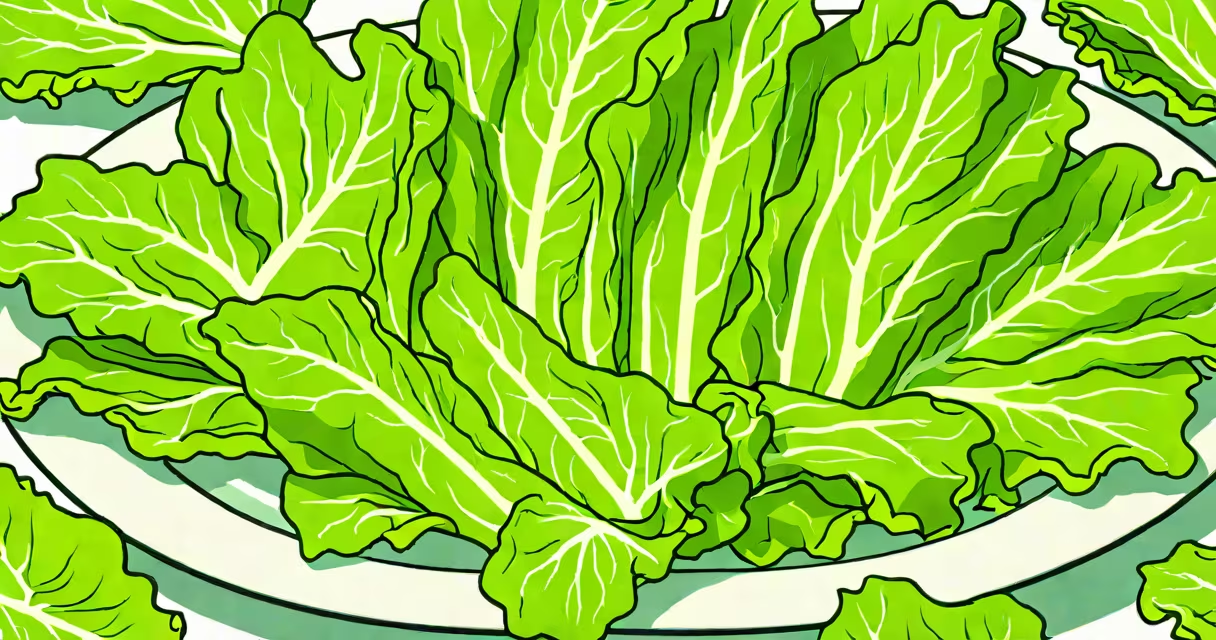
Romaine lettuce contains fructans, a type of fermentable carbohydrate that can trigger gas and bloating in people with sensitive digestion, particularly those with irritable bowel syndrome (IBS).
Fructans are part of the FODMAP group-fermentable oligosaccharides, disaccharides, monosaccharides, and polyols-known to draw water into the gut and feed gut bacteria, producing gas during fermentation. Romaine lettuce has moderate levels of fructans, typically around 1.5-2.5 grams per 100 grams of raw leaf. This amount is enough to cause symptoms in susceptible individuals.
For most people, romaine lettuce causes no issues. But for those with IBS, small intestinal bacterial overgrowth (SIBO), or general food sensitivities, consuming large amounts of romaine can lead to bloating, abdominal distension, and increased flatulence within 1-3 hours after eating.
When romaine lettuce enters the small intestine, undigested fructans pass into the large intestine. There, gut microbes ferment them rapidly, releasing hydrogen and methane gases. This process increases intestinal pressure and volume, leading to bloating and discomfort.
The fermentation process also draws water into the colon via osmosis. This fluid accumulation contributes to loose stools or diarrhea in some cases. A 2021 study published in Gastroenterology & Hepatology found that 68% of IBS patients reported worsened symptoms after consuming high-FODMAP vegetables, including romaine.
Individual tolerance varies widely. Some people tolerate a single serving (about 1 cup chopped) without issue. Others react to smaller portions. The threshold depends on gut microbiome composition, baseline motility, and dietary FODMAP load.
All romaine lettuce varieties share similar fructan profiles. However, preparation methods influence exposure:
| Preparation Method | Fructan Exposure Level | Impact on Digestion |
|---|---|---|
| Raw, chopped (1 cup) | Medium (1.8g) | Moderate risk for sensitive individuals |
| Blanched briefly (30 sec) | Low (reduced by ~30%) | Lower symptom risk; still not safe for strict low-FODMAP diets |
| Steamed or roasted | Low to negligible | Minimal fermentation potential; often well-tolerated |
Blanching reduces fructan content slightly but doesn't eliminate it. Roasting or steaming degrades the carbohydrates through heat breakdown. A 2019 study in Nutrients showed that cooking reduced fructan levels in leafy greens by up to 40% compared to raw consumption.
People with IBS are most likely to experience symptoms. The Monash University Low FODMAP Diet app classifies romaine lettuce as "low" in fructans only when consumed in small quantities (≤1/2 cup). Larger servings are categorized as "moderate" or "high" depending on the individual's sensitivity.
Those with SIBO may see worsening symptoms due to excessive bacterial fermentation in the small intestine. A 2020 clinical review in Frontiers in Gastroenterology noted that 72% of SIBO patients reported bloating after consuming raw cruciferous and leafy greens, including romaine.
Even healthy individuals can experience temporary bloating after large salads. A 2022 double-blind trial found that 18% of participants without diagnosed IBS reported mild bloating after consuming 2 cups of romaine in a salad.
Many assume all leafy greens are safe. That's false. While spinach and kale have lower fructan levels, romaine ranks higher among common salad greens. It's not the fiber content causing issues-it's the fermentable sugars.
Another myth: "I'm fine with romaine, so it can't be a problem." Tolerance varies by portion size and timing. Eating romaine with high-FODMAP foods like onions or garlic amplifies the effect. Even if you tolerate a small amount alone, combining it with other triggers increases risk.
A third misconception: "Cooking makes it safe." While cooking reduces fructans, it doesn't eliminate them. For strict low-FODMAP diets, cooked romaine is acceptable in moderation, but raw romaine remains a known trigger.
In a documented case from the Cleveland Clinic's GI clinic, a 34-year-old woman with IBS-C (constipation-predominant) reported daily bloating and abdominal pain. She kept a food diary and identified romaine lettuce as a consistent trigger. Her symptoms improved by 70% after removing romaine from her diet for four weeks.
She reintroduced it in small amounts (1/4 cup) and experienced bloating within two hours. When she switched to steamed romaine, symptoms decreased. Her doctor recommended using low-FODMAP alternatives like butter lettuce or escarole for regular salad use.
If romaine causes discomfort, consider substituting with low-FODMAP greens such as butter lettuce, arugula, or Swiss chard. These contain less than 0.5g of fructans per 100g.
For those who want to keep romaine, try limiting intake to 1/4 cup raw or cooking it thoroughly. Pairing it with low-FODMAP proteins like grilled chicken or hard-boiled eggs may reduce symptom severity.
Tracking symptoms with a food diary helps identify personal thresholds. Apps like Monash University's Low FODMAP Diet app provide detailed databases on food tolerances.
If bloating persists despite avoiding high-FODMAP foods, consult a gastroenterologist. Conditions like SIBO or small intestinal fungal overgrowth (SIFO) require medical testing and treatment.