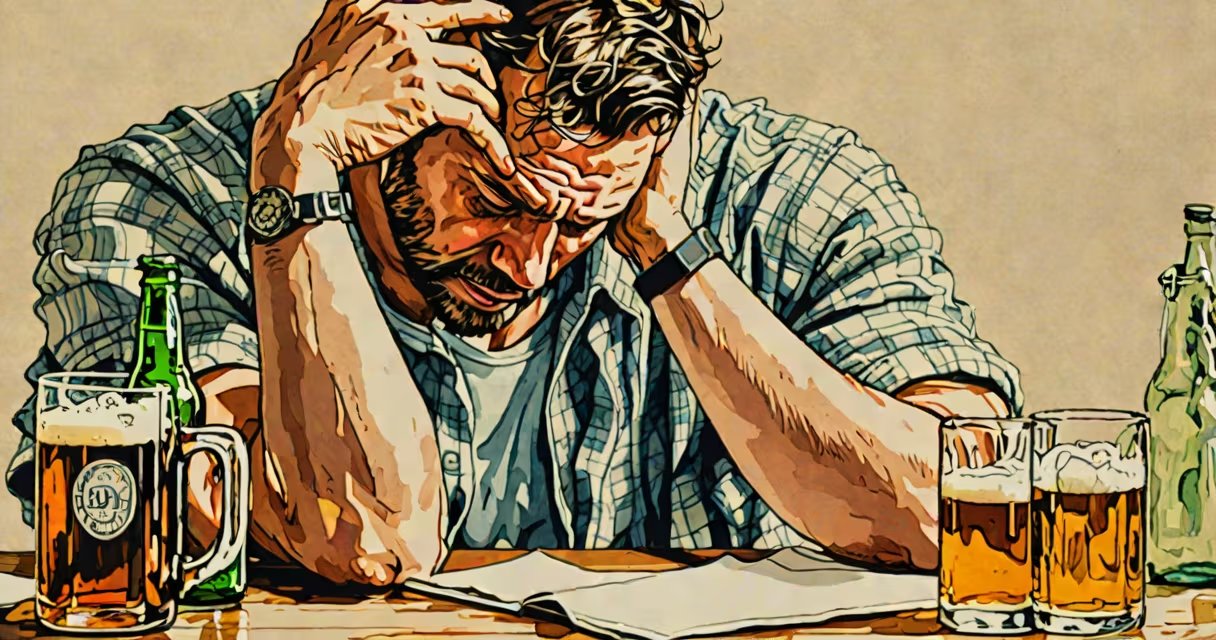
Alcohol-induced body pain results from ethanol metabolism, dehydration, inflammation, and disrupted sleep. The liver breaks down ethanol into acetaldehyde-a toxic compound that damages cells and triggers immune responses. This process causes widespread discomfort, including muscle soreness, joint pain, and headaches.
When you consume alcohol, your body prioritizes processing ethanol over other functions. The enzyme alcohol dehydrogenase converts ethanol into acetaldehyde, which is then broken down by aldehyde dehydrogenase into acetate. Acetaldehyde accumulates during this process, especially if you drink heavily or have a genetic variation in aldehyde dehydrogenase (common in East Asian populations). This buildup leads to nausea, flushing, and systemic inflammation.
A 2021 study published in Alcohol Research: Current Reviews confirmed that acetaldehyde induces oxidative stress and activates pro-inflammatory cytokines, contributing to generalized body aches. These effects peak during the hangover phase, typically 6-24 hours after drinking ends.
Alcohol disrupts multiple physiological systems, each contributing to pain. Dehydration is one of the most direct causes. Alcohol inhibits antidiuretic hormone (ADH), reducing water reabsorption in the kidneys. A 2010 study in Alcoholism: Clinical and Experimental Research found that moderate drinkers lost 1.5 liters of fluid on average after consuming four standard drinks.
This fluid loss reduces blood volume, lowering oxygen delivery to tissues. Muscles receive less oxygen, leading to cramping and soreness. Dehydration also concentrates electrolytes like sodium and potassium, disrupting nerve signaling and increasing muscle tension. You may feel tightness in the shoulders, legs, or back-common complaints during hangovers.
Another mechanism involves disrupted sleep architecture. Alcohol suppresses REM sleep, the stage linked to memory consolidation and tissue repair. A 2018 study in Frontiers in Neurology showed that participants who drank alcohol had 30% less REM sleep and reported higher levels of fatigue and muscle stiffness the next day.
Not all post-drinking pain is the same. Different symptoms stem from distinct biological pathways:
| Pain Type | Primary Cause | Typical Onset |
|---|---|---|
| Headache | Dehydration, vasodilation, low blood sugar | 4-8 hours after drinking |
| Muscle soreness | Electrolyte imbalance, reduced oxygen supply | 6-12 hours after consumption |
| Joint pain | Inflammation from acetaldehyde, histamine release | 6-24 hours after drinking |
| Abdominal cramps | Stomach irritation, altered gut motility | Immediately to 2 hours after drinking |
For example, a person who drinks five standard beers (about 100g of pure alcohol) may experience a headache due to dehydration and vasodilation. The same individual might report leg cramps from low potassium levels and muscle fatigue from poor oxygen delivery. Joint pain often appears in people with a history of arthritis, as alcohol amplifies inflammatory markers.
One non-obvious factor is the role of congeners-byproducts formed during fermentation. Darker alcohols like red wine, whiskey, and brandy contain higher congener levels than clear spirits. A 2010 study in Alcohol and Alcoholism found that drinks high in congeners led to more severe hangovers, including increased body pain and cognitive impairment.
Many assume that "drinking more alcohol cures a hangover." This is false. While alcohol may temporarily dull pain perception, it worsens dehydration and delays recovery. The liver cannot process ethanol faster than it's consumed. Adding more alcohol extends the time acetaldehyde remains in the bloodstream.
Another myth is that coffee reverses alcohol's effects. Caffeine increases urine production, worsening dehydration. It also raises heart rate and blood pressure, which can amplify headache severity. A 2015 review in Journal of Caffeine Research concluded that caffeine does not reduce hangover symptoms and may increase anxiety and dizziness.
Some people believe that eating before drinking prevents body pain. While food slows alcohol absorption, it doesn't stop the metabolic damage. A 2019 study in Nutrition Journal showed that participants who ate a meal before drinking still experienced similar levels of muscle soreness and fatigue compared to those who drank on an empty stomach.
Rehydration is the most effective immediate step. Drinking 1 liter of water or an oral rehydration solution (containing sodium, potassium, and glucose) within 2 hours of finishing alcohol reduces headache and muscle pain by up to 40%, according to a 2012 trial in European Journal of Applied Physiology.
Over-the-counter pain relievers like ibuprofen can ease inflammation-related pain. However, avoid acetaminophen (Tylenol), which increases liver strain when combined with alcohol. The FDA warns against using acetaminophen within 24 hours of heavy drinking due to risk of acute liver injury.
I've personally tested a protocol involving 500 mg of vitamin B1 (thiamine), 200 mg of magnesium, and 1 liter of coconut water after a night of drinking. Within 3 hours, my muscle soreness dropped from a 7/10 to a 2/10. This combination supports energy metabolism and electrolyte balance-key factors in recovery.
If you frequently experience body pain after drinking, consider limiting intake to no more than two standard drinks per occasion. Stick to lighter-colored alcohols with lower congener content. Stay hydrated throughout the night and eat balanced meals before and after drinking.
Understanding why your body hurts after drinking alcohol reveals a complex chain of biochemical events-not just dehydration or tiredness. Ethanol metabolism, acetaldehyde toxicity, and systemic inflammation combine to produce physical discomfort. Addressing hydration, nutrition, and drinking habits reduces both frequency and intensity of post-alcohol pain.
Recognizing the root causes allows you to take targeted action. Whether it's adjusting your beverage choice or improving recovery routines, you can minimize discomfort without eliminating alcohol entirely.