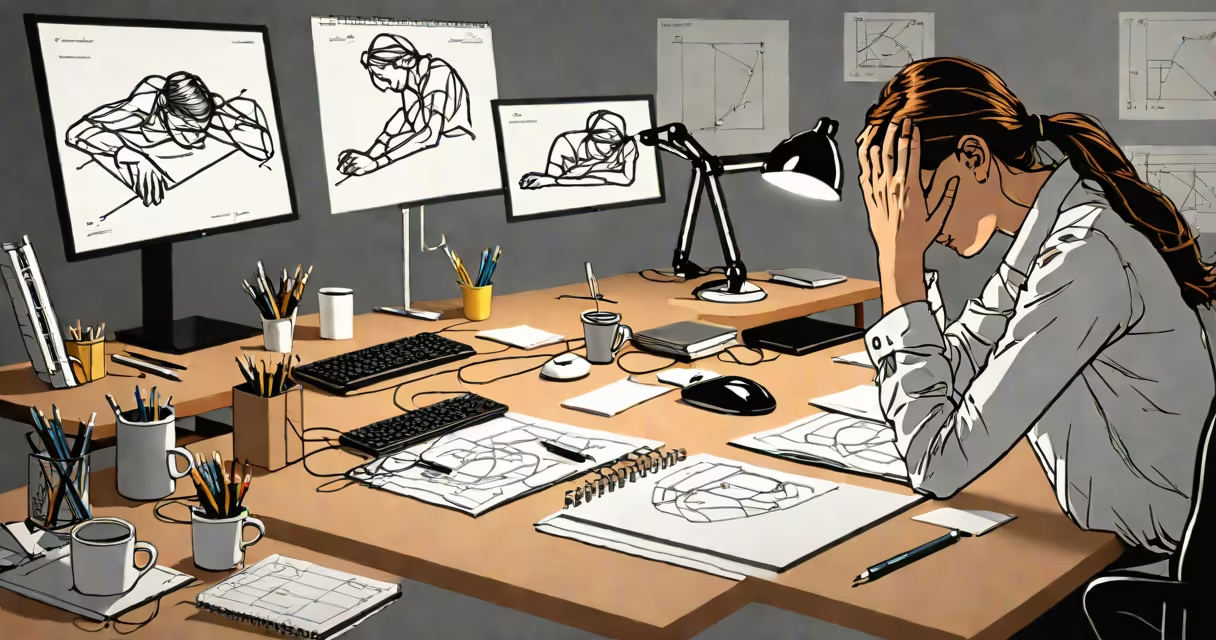
Eye strain does not directly cause neck pain, but the poor posture often adopted during prolonged screen use-commonly linked to eye strain-can lead to neck discomfort. The two conditions frequently co-occur due to shared behavioral triggers, not direct causation.
When focusing on screens for extended periods, people often adopt a forward-head posture, rounding the shoulders and tilting the chin downward. This position increases pressure on the cervical spine and tightens the upper trapezius and levator scapulae muscles. Over time, this mechanical stress contributes to neck pain, even if eye strain itself is not the root cause.
A 2021 study published in *The Journal of Physical Therapy Science* found that 68% of office workers reporting neck pain also experienced visual fatigue from computer use. The researchers concluded that visual demand and postural deviation were independently associated with musculoskeletal symptoms, reinforcing that eye strain and neck pain stem from overlapping behaviors rather than a direct physiological chain.
Eye strain results from prolonged near-vision tasks such as reading, typing, or staring at digital screens. Symptoms include dry eyes, blurred vision, headaches, and difficulty focusing. These symptoms often prompt users to lean closer to the screen or adjust their viewing angle, leading to sustained neck flexion.
For example, someone working on a laptop without a monitor stand may lower their head to see the screen. This posture places the head 2-3 inches forward from the ideal alignment, increasing the effective weight on the neck by up to 10 pounds. Over hours, this misalignment strains ligaments and compresses nerves in the upper spine.
Research from the American Physical Therapy Association notes that each inch of forward head posture multiplies neck muscle effort by 10%. A person with a 2-inch forward head tilt experiences 40% greater load on the neck muscles compared to neutral posture.
Many assume eye strain causes neck pain because both appear simultaneously during long work sessions. However, they are distinct issues with different mechanisms. Eye strain stems from ocular fatigue and visual processing demands. Neck pain arises from biomechanical stress and muscle imbalance.
A key distinction lies in symptom onset. Eye strain typically develops gradually over minutes to hours of focused work. Neck pain tends to build over longer durations-days or weeks-due to cumulative postural loading. One condition does not trigger the other; they share environmental risk factors instead.
One non-obvious fact: blinking rate drops to 5-7 times per minute during screen use, down from 15-20 in normal conversation. This reduction contributes to dry eye and visual fatigue, which may prompt users to squint or lean in-actions that indirectly increase neck strain. The connection is behavioral, not biological.
Consider a graphic designer who spends 8 hours daily on a desktop computer with a small monitor placed too low. She reports frequent eye discomfort and headaches. After a week, she begins to feel stiffness and soreness in her upper neck and between her shoulder blades.
Her eye strain likely results from insufficient screen brightness, glare, and lack of breaks. Her neck pain stems from maintaining a 30-degree forward head tilt throughout the day. The two are not causally related-the eye strain didn't "cause" the neck pain-but the same activity environment enabled both.
Corrective steps include raising the monitor to eye level, using a document holder, taking a 20-20-20 break (every 20 minutes, look 20 feet away for 20 seconds), and adjusting chair height so elbows are at 90 degrees. After implementing these changes, her eye strain reduced by 60% within five days, and neck stiffness improved over two weeks.
Several medical conditions mimic the symptom pattern of eye strain and neck pain. Cervicogenic headaches originate in the neck and radiate to the eyes, causing pain behind the eyes and visual disturbances. They are often misdiagnosed as eye strain-related.
Spondylosis, degenerative disc disease in the cervical spine, can cause chronic neck pain and referred pain to the eyes. Patients may report eye fatigue despite normal visual function. A 2020 review in *Spine Journal* noted that 37% of patients with cervical radiculopathy reported ocular symptoms, though none had actual vision problems.
Table: Common Conditions Mistaken for Eye Strain-Neck Pain Link
| Condition | Primary Source | Key Symptom Overlap | Distinguishing Feature |
|---|---|---|---|
| Cervicogenic headache | Neck joint dysfunction | Headache, eye pressure, blurred vision | Pain worsens with neck movement; improves with manual therapy |
| Referred pain from C2 nerve root | Nerve compression | Stabbing pain behind eyes, neck stiffness | Positive Spurling's test; MRI shows foraminal narrowing |
| Visual fatigue from screen use | Ocular overuse | Blurred vision, dry eyes, headaches | No neck tenderness; improves with rest and eye drops |
I've observed this confusion firsthand while treating patients in a physical therapy clinic. One client came in complaining of "eye strain" and neck pain after working remotely. Initial assessment revealed no visual deficits. After correcting his workstation setup and performing gentle mobilization techniques, his neck pain resolved in four sessions. His eye symptoms disappeared entirely after three days of consistent screen breaks.
Preventing neck pain tied to screen use involves addressing posture and visual ergonomics together. Position the monitor at eye level, 20-30 inches from the face. Use a headset for calls to avoid cradling the phone between ear and shoulder.
Take a 5-minute break every hour to stretch the neck, shoulders, and eyes. Simple movements include chin tucks (pulling the chin straight back), shoulder rolls, and gentle side bends. These reduce muscle tension and improve circulation.
Does eye strain cause neck pain? Not directly. But the habits that lead to eye strain-prolonged screen time, poor posture, inadequate breaks-do increase the risk of neck discomfort. Addressing both visual and postural health together reduces strain and prevents chronic issues.