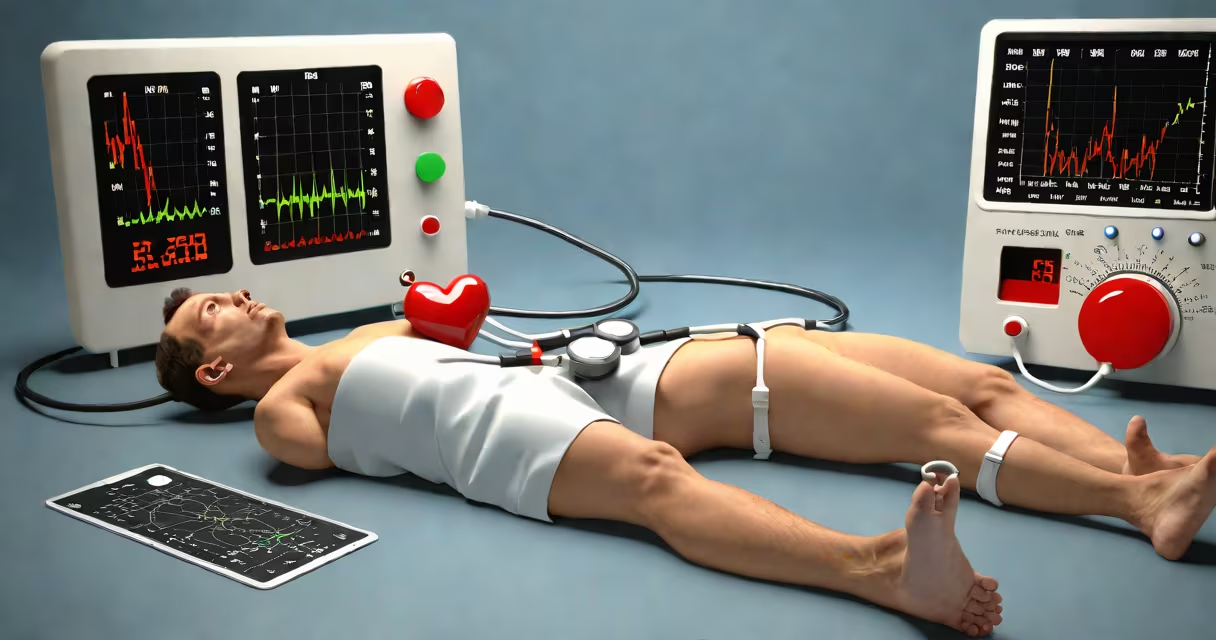
Low blood pressure with a high pulse rate occurs when systolic pressure drops below 90 mm Hg and resting heart rate exceeds 100 beats per minute. This combination often signals the body's attempt to compensate for reduced circulation, such as during shock, severe dehydration, or cardiac dysfunction.
This dual presentation-hypotension paired with tachycardia-is not normal and requires clinical evaluation. It may indicate a serious underlying condition, especially if accompanied by dizziness, fainting, or chest pain. The body increases heart rate to maintain blood flow to important organs when blood pressure falls, creating a compensatory response that can mask the severity of the issue.
The autonomic nervous system detects low blood pressure through baroreceptors in the carotid arteries and aortic arch. When pressure drops, the sympathetic nervous system triggers a rapid heart rate to increase cardiac output. This is a survival mechanism designed to preserve perfusion to the brain and heart.
However, if the drop in blood pressure is too severe or prolonged, the increased heart rate may not be enough. For example, in hemorrhagic shock, blood volume loss reduces preload-the amount of blood returning to the heart-leading to decreased stroke volume. The heart responds by beating faster, but output still falls, resulting in worsening organ hypoperfusion.
A 2021 study published in *Critical Care Medicine* found that patients with septic shock who developed both hypotension and tachycardia had a 40% higher mortality risk within 24 hours compared to those with isolated tachycardia or hypotension alone.
Several physiological states lead to low blood pressure and elevated pulse rate. These fall into categories: volume depletion, cardiac issues, neurogenic factors, and medication effects.
| Category | Specific Causes | Key Mechanism |
|---|---|---|
| Volume Depletion | Dehydration, bleeding, severe diarrhea | Reduced circulating volume → less blood return to heart → lower stroke volume → compensatory tachycardia |
| Cardiac Conditions | Heart failure, arrhythmias, myocardial infarction | Impaired pumping → low output → tachycardia to maintain perfusion |
| Neurogenic | Autonomic neuropathy, spinal cord injury | Loss of vasoconstrictive reflexes → pooling in extremities → low BP → secondary tachycardia |
| Medications | Alpha-blockers, beta-blockers, diuretics | Excessive vasodilation or reduced fluid volume → hypotension → reflex tachycardia |
Orthostatic hypotension-a drop in blood pressure upon standing-is a frequent cause. A 2020 review in *The American Journal of Medicine* reported that 15% of adults over 65 experience this condition, often leading to dizziness and a rapid heart rate as they rise from a seated position.
Healthcare providers assess low blood pressure and high pulse rate together because their co-occurrence is more predictive of adverse outcomes than either alone. This pairing appears in emergency departments, intensive care units, and primary care settings.
For example, a 58-year-old man presenting with lightheadedness after standing suddenly had a blood pressure reading of 88/56 mm Hg and a pulse of 118 bpm. He had not eaten or drunk fluids since morning and reported nausea. His symptoms resolved after IV saline infusion. This case illustrates volume depletion as a reversible cause.
Some people mistake this symptom pattern for anxiety. While anxiety can raise pulse rate, it rarely causes true hypotension. A 2019 study in *Psychosomatic Medicine* showed that only 3% of patients with panic attacks had systolic pressures below 90 mm Hg-far below the threshold for clinical concern.
Low BP and high pulse rate are often misattributed to stress or fatigue. However, the absence of sustained symptoms like syncope (fainting), confusion, or cold extremities doesn't rule out serious pathology.
One common error is assuming that a high pulse rate alone indicates anxiety. But in a patient with low blood pressure, tachycardia is more likely a sign of hemodynamic instability. A 2022 analysis in *JAMA Internal Medicine* found that 28% of patients initially diagnosed with "anxiety-related tachycardia" were later found to have undiagnosed heart failure or arrhythmias.
Another misconception is that older adults naturally develop low blood pressure. While age-related changes occur, a sudden drop in blood pressure with a rising pulse rate is not normal and warrants investigation. The American Heart Association warns against dismissing these signs as "just aging."
When blood pressure is low and pulse rate is high, clinicians look at the difference between systolic and diastolic pressure-the pulse pressure. A narrow pulse pressure (<20 mm Hg) combined with tachycardia suggests poor cardiac output, such as in cardiogenic shock.
In contrast, a wide pulse pressure (>60 mm Hg) with tachycardia may indicate volume overload or aortic regurgitation. The gap provides insight beyond individual numbers.
I once observed a patient in the ER with a blood pressure of 92/60 mm Hg and a pulse of 122 bpm. Initial assessment suggested dehydration. But the pulse pressure was only 32 mm Hg. Further testing revealed acute pulmonary edema due to left ventricular failure. The narrow pulse pressure was a clue missed in early triage.
Low blood pressure and high pulse rate require prompt attention if they persist or are associated with:
If you experience these, seek emergency care. Delaying treatment increases the risk of organ damage or cardiac arrest.
For ongoing concerns, consult a physician. A thorough workup may include an electrocardiogram, echocardiogram, blood tests (including electrolytes and BNP), and tilt-table testing for suspected orthostatic hypotension.
Understanding the causes of low bp and high pulse rate helps differentiate benign fluctuations from life-threatening conditions. Early recognition improves outcomes.
Recognizing this combination as a red flag-not a minor fluctuation-can save lives.