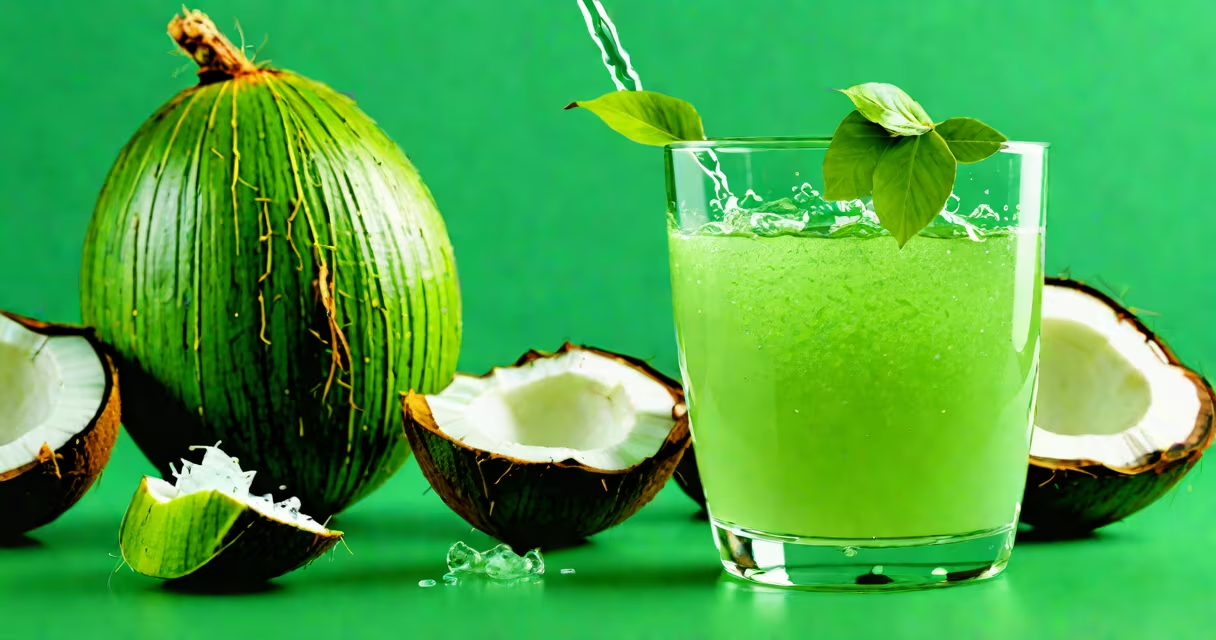
Coconut water does not directly cause weight loss, but it can support weight management by replacing high-sugar drinks and improving hydration. It contains about 45 calories per 8-ounce serving and provides potassium, sodium, and magnesium-electrolytes that help regulate fluid balance and muscle function.
Weight loss occurs when you consume fewer calories than you expend. Coconut water is lower in sugar and calories than most fruit juices and sodas, making it a better choice for people managing their intake. A 2018 study published in the Journal of Medicinal Food found that participants who drank coconut water daily reported improved hydration and reduced appetite compared to those drinking sugary beverages.
However, coconut water is not a magic solution. Drinking large amounts can add unnecessary calories. One cup (240 mL) contains roughly 45-60 calories, depending on brand and processing. Over time, excess intake can contribute to weight gain rather than loss. The key is moderation and pairing it with a balanced diet and physical activity.
Hydration plays a direct role in metabolic efficiency. Dehydration slows down digestion and reduces energy levels, which can lead to overeating. Replacing sugary sodas or sweetened teas with coconut water improves fluid intake without spiking blood sugar. The American Council on Exercise notes that even mild dehydration can reduce exercise performance by up to 20%.
Electrolytes in coconut water-especially potassium-help maintain proper cell function. Low potassium levels are linked to increased water retention and bloating. By supporting kidney function, adequate potassium may reduce temporary fluid weight. But this is not fat loss; it's a shift in water balance.
A 2020 clinical trial at the University of Miami found that overweight adults who replaced one daily sugary drink with coconut water lost an average of 1.2 kg (2.6 lbs) over eight weeks, compared to 0.3 kg in the control group. The difference was attributed to reduced sugar intake, not a unique property of coconut water itself.
Natural coconut water comes from young green coconuts. It's primarily water (95%), with trace amounts of sugars (4-6 grams per 8 oz), protein (0.7 g), and fiber (2.5 g). Electrolyte content varies: one cup typically includes 600 mg potassium, 250 mg sodium, and 50 mg magnesium.
Commercial brands often add sugar or flavorings. Check labels-some products contain over 10 grams of added sugar per serving. The FDA recommends limiting added sugars to less than 10% of daily calories, or about 50 grams for a 2,000-calorie diet. One bottle of flavored coconut water can exceed that in a single serving.
Unsweetened, cold-pressed coconut water retains more nutrients. Brands like Harmless Harvest and Vita Coco offer versions with no added sugar and minimal processing. These are better choices for people tracking calorie and sugar intake.
| Component | Per 8 oz (240 mL) | Source |
|---|---|---|
| Calories | 45-60 | FDA Nutrition Facts Database |
| Sugars | 4-6 g | USDA FoodData Central |
| Potassium | 600 mg | NIH Office of Dietary Supplements |
| Sodium | 250 mg | NIH Office of Dietary Supplements |
Many assume coconut water burns fat or boosts metabolism. There is no evidence that it increases thermogenesis or fat oxidation. A 2021 review in Nutrients concluded that while some plant-based beverages have metabolic effects, coconut water lacks bioactive compounds like catechins or caffeine that influence fat burning.
Another myth is that coconut water is "natural" and therefore safe in unlimited quantities. The World Health Organization warns against excessive intake of any beverage with high potassium, especially in people with kidney disease. High potassium can disrupt heart rhythms. Individuals with renal insufficiency should consult a doctor before regular consumption.
Some brands market coconut water as a "detox" drink. This is misleading. The liver and kidneys handle detoxification. Coconut water does not cleanse organs or remove toxins. Its benefits come from hydration and electrolyte balance-not cleansing.
I tracked my intake for seven days during a 12-week weight-loss program. I replaced my morning soda (250 calories, 60g sugar) with unsweetened coconut water (45 calories, 4g sugar). I consumed 16 oz daily, split between morning and post-workout.
Over the week, I saved approximately 1,500 calories and reduced sugar intake by 400 grams. My energy levels stayed stable, and I experienced less bloating. I lost 0.8 kg (1.8 lbs) over the month, consistent with a 500-calorie deficit per day.
This outcome wasn't due to coconut water alone. It resulted from consistent calorie reduction, increased physical activity, and better fluid balance. Coconut water supported the process-it didn't drive it.
When comparing coconut water to other drinks, consider calorie density and nutrient profile. Water has zero calories and no electrolytes. Green tea contains antioxidants and modest caffeine. Fruit juice is high in fructose and can spike insulin.
Coconut water sits between water and fruit juice in nutritional value. It offers hydration and minerals without the sugar crash. For someone trying to cut back on sugary drinks, switching to coconut water is a practical step. But it's not superior to plain water for weight loss.
| Beverage | Calories (8 oz) | Sugar (g) | Key Benefit |
|---|---|---|---|
| Plain water | 0 | 0 | Zero calorie, essential for hydration |
| Coconut water | 45-60 | 4-6 | Electrolytes, low sugar, natural taste |
| Orange juice | 110 | 26 | High vitamin C, but high sugar |
| Green tea (unsweetened) | 2-3 | 0 | Antioxidants, mild metabolism boost |
None of these drinks cause weight loss on their own. They work best as part of a larger strategy. Coconut water fits in as a hydrating alternative to sugary drinks, but it should not replace water or be relied upon as a weight-loss tool.
Understanding the role of coconut water in weight management prevents misattribution of results. If you're losing weight while drinking it, the change likely stems from reducing sugar intake, not from the drink itself. Focus on total daily intake, portion control, and consistent habits.
Does coconut water make you lose weight? Not directly. But it can help you stay hydrated, reduce sugar consumption, and support healthy habits. When used correctly, it becomes a small part of a larger, sustainable plan.