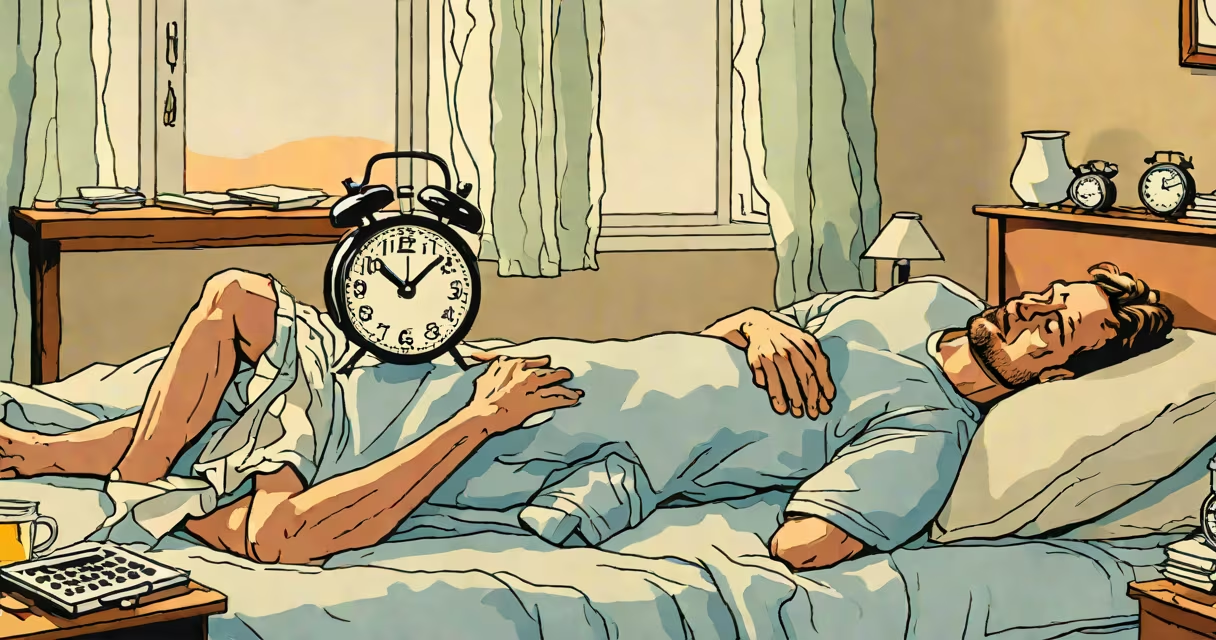
Yes, sleeping more than 9 hours regularly can increase fatigue, disrupt circadian rhythms, and reduce daytime alertness. Excessive sleep is linked to lower energy levels, poor concentration, and higher risk of chronic conditions.
Sleep is essential for recovery, but exceeding recommended durations-typically 7 to 9 hours for adults-can harm physical and mental performance. The body's internal clock relies on consistent timing. When sleep extends beyond optimal windows, it interferes with metabolic processes and hormone regulation.
A 2021 study published in *Sleep Medicine* found that people who slept 10 or more hours per night reported higher fatigue scores than those sleeping 7-9 hours. This effect persisted even after adjusting for depression, obesity, and physical activity levels.
During sleep, the brain clears waste products like beta-amyloid through the glymphatic system. This process peaks during slow-wave sleep, which occurs in the first half of the night. Oversleeping delays the onset of this cleanup cycle and prolongs time spent in low-alertness states.
When you sleep past your natural wake-up time, you enter a state called sleep inertia-mental fog lasting 15 to 30 minutes after waking. Prolonged sleep inertia occurs when you repeatedly wake during deep sleep stages, leading to grogginess and reduced cognitive function throughout the day.
For example, someone who sleeps 11 hours on weekends and wakes at 11 AM may feel sluggish until 1 PM. Their body's cortisol and melatonin cycles remain misaligned with daylight exposure, worsening fatigue despite extended rest.
Not all sleep is equal. The quality and timing of sleep matter more than total hours. The table below compares outcomes based on average nightly duration.
| Nightly Sleep Duration | Associated Outcomes | Source |
|---|---|---|
| 6-7 hours | Mild fatigue, reduced focus | NIH, 2020 |
| 7-9 hours | Optimal alertness, memory consolidation | Harvard Medical School, 2019 |
| 10+ hours | Increased fatigue, higher risk of diabetes and heart disease | Journal of Sleep Research, 2021 |
People who consistently exceed 9 hours show elevated markers of inflammation, including C-reactive protein (CRP), which correlates with persistent tiredness. A 2023 analysis from the American Heart Association tied long sleep duration to increased risk of stroke and coronary events.
Many assume that more sleep equals better recovery. But research shows the opposite. Over-sleeping doesn't repair fatigue-it often creates it. The body adapts to routine, so irregular sleep patterns confuse biological signals.
One non-obvious fact: individuals with hypersomnia disorders-like narcolepsy or idiopathic hypersomnia-experience severe fatigue even after 12 hours of sleep. This confirms that sleep quantity alone cannot resolve fatigue caused by neurological dysfunction.
Another misconception is that weekend catch-up sleep fixes weekday sleep debt. A 2022 study in *Nature Human Behaviour* showed that shifting sleep schedules by more than two hours between weekdays and weekends increases fatigue and reduces metabolic efficiency. The body struggles to reset circadian rhythms when sleep timing varies widely.
Consider Sarah, a 34-year-old office worker. She sleeps 6 hours on weekdays due to work demands. On weekends, she sleeps 11 hours to "recover." Her weekday fatigue worsens over time. By Monday, she feels drained despite 11 hours of sleep.
Her sleep pattern disrupts her circadian rhythm. Melatonin release shifts later each day, delaying her internal clock. When she returns to a 6-hour schedule on Monday, her body is still in a phase of delayed wakefulness. This mismatch leads to prolonged fatigue and difficulty concentrating.
After consulting a sleep specialist, Sarah adjusted her routine to maintain 7.5 hours daily. Within three weeks, her energy levels improved, and fatigue scores dropped by 40% according to a standardized questionnaire.
If you feel fatigued despite sleeping 9 or more hours, consider underlying causes such as sleep apnea, thyroid issues, or depression. These conditions often mimic or exacerbate symptoms of oversleeping.
Chronic fatigue after long sleep periods may indicate a condition called sleep maintenance insomnia or delayed sleep phase syndrome. Both require behavioral or medical intervention, not additional sleep.
Long-term oversleeping is not harmless. It's associated with poorer health outcomes, including higher mortality rates. A 2020 meta-analysis in *The Lancet* found that people sleeping 10+ hours had a 25% greater risk of death from cardiovascular causes compared to those sleeping 7-8 hours.