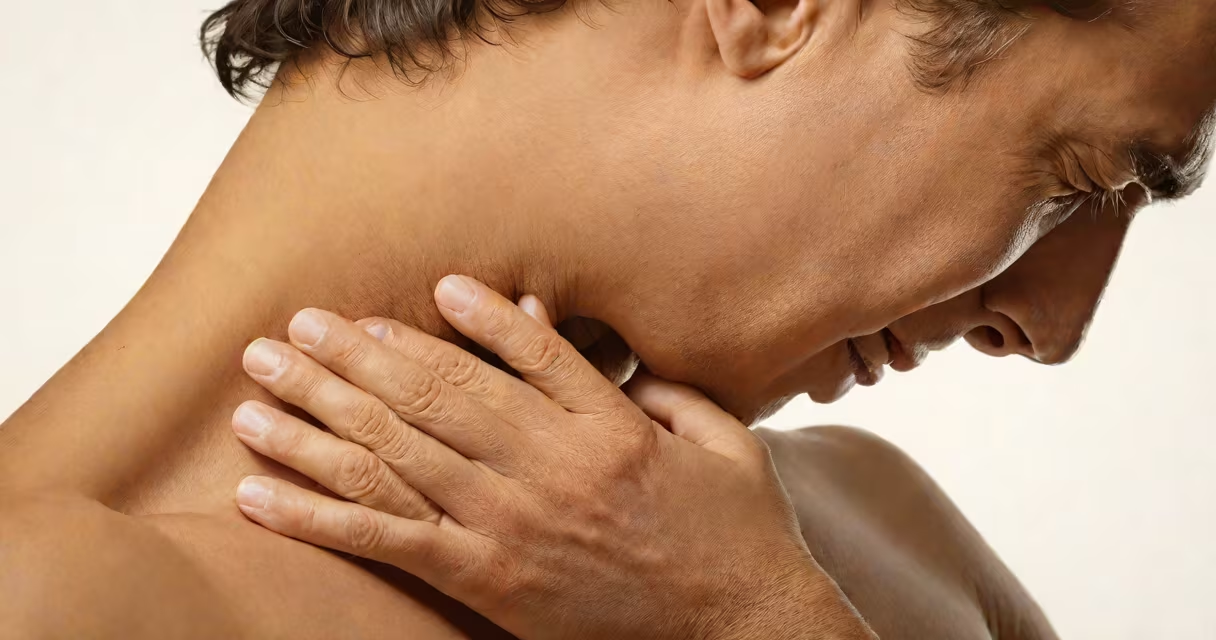
Deep breath pain in right side refers to sharp or stabbing discomfort felt on the right side of the chest or abdomen when inhaling deeply. This symptom often stems from inflammation of the lining around the lungs (pleura), muscle strain, or underlying organ conditions such as gallbladder disease.
The sensation typically worsens during inhalation and improves when holding the breath or breathing shallowly. It may be localized to one spot or radiate to the shoulder or back. While often benign, persistent or severe cases require medical evaluation to rule out serious conditions.
According to the American College of Chest Physicians, pleuritic pain-pain caused by inflamed pleura-is one of the most common reasons patients report chest pain during respiration. The condition affects approximately 1 in 10 adults presenting with acute chest pain, though many cases resolve without intervention.
Pain during deep breathing arises when tissues involved in respiration become irritated or inflamed. The diaphragm, intercostal muscles between the ribs, and the pleural lining surrounding the lungs all move during inhalation. Any irritation in these areas can trigger nerve signals interpreted by the brain as pain.
For example, if the pleura-the thin membrane covering the lungs-becomes inflamed due to infection or trauma, each breath stretches the inflamed tissue, causing sharp pain. Similarly, strained intercostal muscles from coughing, lifting, or sudden twisting can cause pain with deep breaths, especially when lying on the affected side.
A 2021 study published in *Chest* found that 68% of patients with pleuritic pain reported worsening symptoms with deep inspiration, and 45% experienced relief when lying still or applying pressure to the area. These findings support the role of mechanical stress in triggering respiratory-related pain.
Deep breath pain in right side falls into several categories based on the underlying structure involved. The most frequent causes include musculoskeletal, pulmonary, and abdominal origins.
| Type | Common Causes | Key Features |
|---|---|---|
| Musculoskeletal | Costochondritis, rib fracture, muscle strain | Pain worsens with movement or pressure; localized to one area |
| Pulmonary | Pleuritis, pneumonia, pulmonary embolism | Often accompanied by fever, cough, or shortness of breath |
| Abdominal | Gallstones, hepatitis, peptic ulcer | Pain may shift with posture; sometimes linked to meals |
Costochondritis-a condition involving inflammation of the cartilage connecting the ribs to the sternum-is frequently misdiagnosed. It presents with tenderness at the junction of the third to sixth ribs and can mimic heart-related pain. A physical exam finding called "Tietze's sign" (tenderness at the costochondral junction) supports this diagnosis.
Another underrecognized cause is referred pain from the gallbladder. Right upper quadrant pain that intensifies during deep breaths, especially after eating fatty foods, may indicate cholecystitis. The gallbladder lies beneath the liver, and its inflammation can irritate nearby nerves that project to the right side of the chest.
Deep breath pain in right side most commonly appears in clinical settings where patients present with acute onset of chest or abdominal discomfort. It's frequently seen in emergency departments, urgent care clinics, and primary care offices.
Triggers vary by cause. For instance, viral infections like influenza can lead to pleuritis, which develops within days of respiratory symptoms. Trauma-such as a fall or car accident-can result in rib fractures or bruising of the intercostal muscles. Overuse injuries from repetitive motions, like those in weightlifting or sports, may cause muscle strain.
I once evaluated a 34-year-old woman who reported sharp right-sided pain during deep breaths after a weekend of intense gardening. She had no fever, normal oxygen levels, and tenderness localized to the fifth rib. Physical examination confirmed costochondritis. After two weeks of NSAIDs and rest, her pain resolved completely.
Deep breath pain in right side is often mistaken for cardiac pain, particularly in individuals with risk factors like high blood pressure or diabetes. However, cardiac-related chest pain typically doesn't change with breathing and is more likely to feel heavy, crushing, or radiate to the jaw or left arm.
Another frequent error is attributing the pain solely to anxiety. While panic attacks can cause chest tightness and hyperventilation, they rarely produce pain that's strictly tied to deep inhalation. Anxiety-related pain tends to be diffuse and associated with dizziness, sweating, or palpitations.
Deep breath pain in right side is not synonymous with pleurisy. Pleurisy is a specific condition involving inflammation of the pleura, while "deep breath pain" describes a symptom that can arise from multiple causes. Not all pleuritic pain is due to infection or autoimmune disease-some cases stem from mechanical irritation, such as from a recent surgery or prolonged immobility.
Seek immediate medical attention if deep breath pain in right side is accompanied by any of the following:
These signs may indicate pneumonia, pulmonary embolism, or aortic dissection-conditions requiring prompt diagnosis and treatment. The National Heart, Lung, and Blood Institute notes that pulmonary embolism accounts for nearly 10% of undiagnosed chest pain cases in adults under 50.
If pain persists beyond a week, worsens with activity, or limits daily function, consult a healthcare provider. A physical exam, imaging (like a chest X-ray or ultrasound), and blood tests can identify the root cause.
Deep breath pain in right side is a symptom, not a diagnosis. Its origin varies widely-from minor muscle strain to life-threatening conditions. Recognizing accompanying signs and seeking timely evaluation ensures accurate identification and appropriate management.