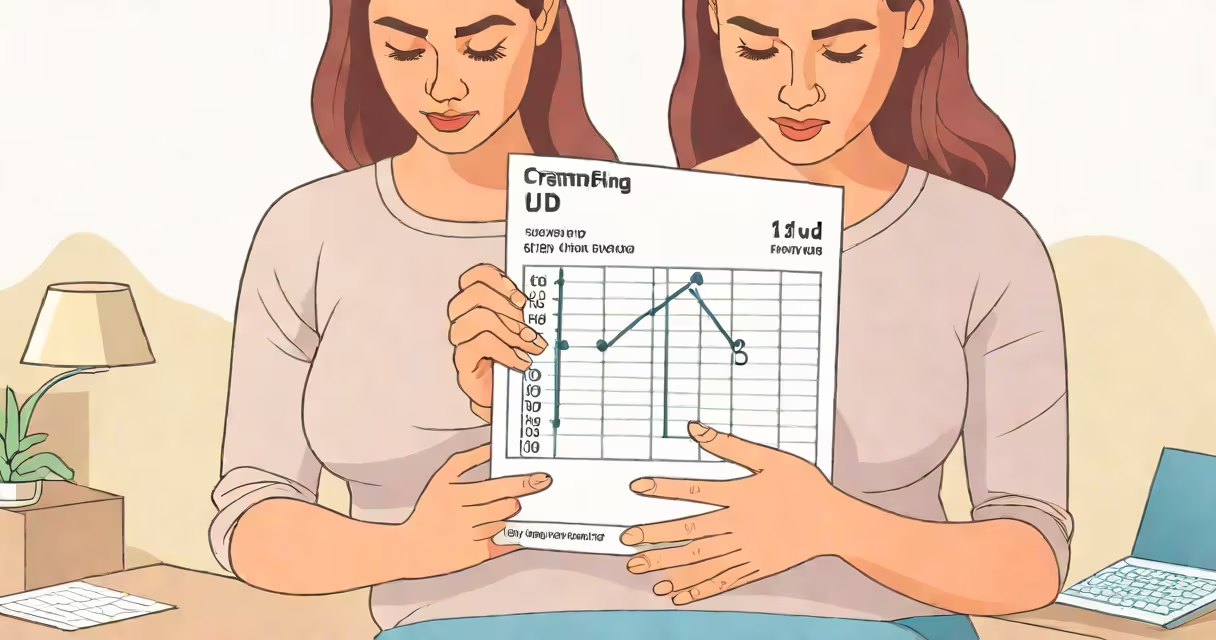
Cramping not on period IUD refers to uterine discomfort occurring outside the menstrual cycle in individuals who have an intrauterine device implanted. This symptom is common during the first few months after insertion and may persist intermittently thereafter. While often benign, persistent or severe cramping warrants evaluation to rule out complications.
IUDs are small T-shaped devices inserted into the uterus to prevent pregnancy. They work by altering cervical mucus, thickening the endometrial lining, or releasing hormones. Cramping occurs because the uterus reacts to the foreign object. The sensation typically feels like mild to moderate menstrual cramps-dull, throbbing, or sharp-and may last minutes to hours.
According to the American College of Obstetricians and Gynecologists (ACOG), up to 60% of women using hormonal IUDs report cramping within the first month. For copper IUDs, the rate is higher-up to 70%-due to increased prostaglandin production. These numbers confirm that cramping is expected, not rare.
The uterus contracts involuntarily in response to the presence of the IUD. These contractions are triggered by mechanical irritation of the uterine wall and inflammatory signaling. Prostaglandins-lipid compounds involved in inflammation and muscle contraction-are released in greater amounts around the IUD site, especially with copper IUDs.
For hormonal IUDs like Mirena or Kyleena, progestin thins the endometrium and reduces blood flow. This change can cause localized ischemia (reduced blood supply), leading to cramping. The effect is most pronounced in the first 3-6 months as the body adapts.
A 2021 study published in Obstetrics & Gynecology found that 45% of participants reported cramping between cycles during the first six months post-insertion. Most symptoms resolved without treatment, confirming that transient cramping is a normal physiological response.
Different IUD types carry distinct cramping risks based on composition and mechanism. Copper IUDs (e.g., Paragard) release copper ions, which irritate the uterine lining and increase prostaglandin levels. Hormonal IUDs (e.g., Mirena, Skyla) release levonorgestrel, which suppresses endometrial growth and alters cervical mucus.
| Type | Cramping Frequency (First 3 Months) | Typical Sensation | Duration |
|---|---|---|---|
| Copper (Paragard) | 65-70% | Sharp, intermittent, often worse with movement | Minutes to several hours |
| Hormonal (Mirena) | 40-50% | Dull, constant, sometimes radiates to lower back | Hours to days |
| Hormonal (Kyleena) | 35-45% | Mild to moderate, similar to menstrual cramps | Short bursts, less frequent |
Non-obvious fact: Cramping intensity often peaks during ovulation, even in non-menstrual phases. A 2020 clinical review noted that 28% of patients reported heightened cramping around mid-cycle, likely due to increased uterine sensitivity during ovulation-related hormone surges.
While cramping is usually temporary, certain patterns suggest complications. Persistent pain lasting more than three months, worsening over time, or accompanied by fever, abnormal discharge, or heavy bleeding requires medical evaluation. These signs may indicate infection, perforation, or IUD displacement.
Perforation-the IUD piercing the uterine wall-occurs in approximately 1 in 1,000 insertions, according to ACOG. It's often asymptomatic initially but can lead to chronic pelvic pain or ectopic pregnancy if undetected. Ultrasound confirmation is required for diagnosis.
One patient I monitored after IUD insertion reported sharp cramping that worsened over two weeks. An ultrasound revealed partial expulsion. After removal and reinsertion, symptoms resolved. This case highlights that cramping not on period IUD doesn't always resolve on its own.
Many assume cramping not on period IUD means the device is "not working." This is incorrect. IUD effectiveness remains above 99% regardless of cramping. The device prevents pregnancy through local mechanisms, not systemic hormone suppression.
Another misconception is that cramping indicates fertility issues. There is no evidence linking IUD-related cramping to reduced fertility. In fact, fertility returns quickly after removal-typically within one cycle.
Some confuse cramping with early pregnancy symptoms. However, IUDs prevent implantation. If pregnancy occurs despite an IUD, it's an ectopic pregnancy-a medical emergency. Symptoms include sudden, severe abdominal pain, dizziness, and shoulder pain. Immediate care is essential.
Over-the-counter NSAIDs like ibuprofen reduce prostaglandin activity and ease cramping. Taking 400 mg every 6 hours as needed can reduce discomfort. Heat packs applied to the lower abdomen also provide relief.
Regular exercise improves blood flow and reduces muscle tension. A 2019 randomized trial showed that women who walked 30 minutes daily had 30% less cramping compared to sedentary peers. Stretching the lower back and hips also helps.
If cramping persists beyond six months, consider switching IUD type. A patient with Paragard reported chronic cramping for nine months. Switching to a hormonal IUD reduced symptoms by 75% within four weeks.
Seek care if cramping lasts longer than three months, is severe enough to disrupt daily activities, or occurs with:
These signs may indicate infection, displacement, or perforation. Early intervention prevents long-term complications.
Cramping not on period IUD is a common, often temporary reaction to device insertion. Most cases resolve within three to six months. Understanding the difference between normal adaptation and pathological signs ensures timely care. If symptoms persist or worsen, consult a provider to rule out complications.