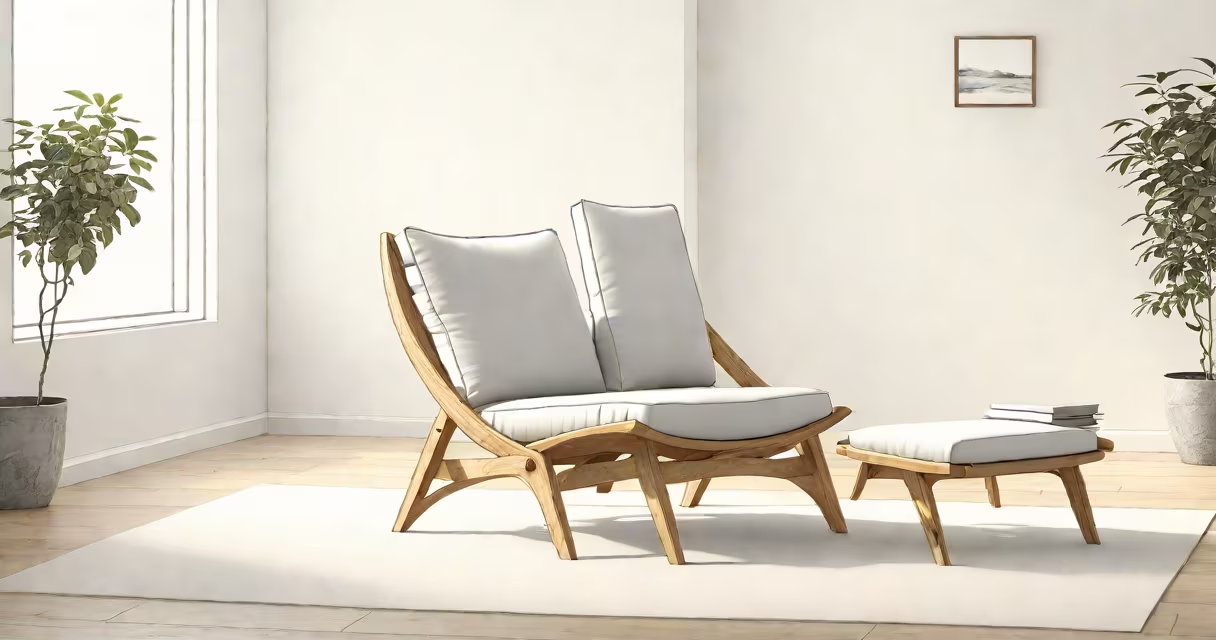
A comfortable meditation chair is a purpose-built seat designed to support upright posture during seated mindfulness practice, minimizing physical discomfort and enabling sustained focus. Unlike standard chairs or floor cushions, it balances stability, alignment, and ease of entry. The goal is to maintain spinal neutrality while allowing breath awareness and mental clarity.
These chairs are engineered around anatomical principles. They typically feature a gently sloped seat, a supportive backrest that cradles the lower and upper spine, and a height that positions the hips slightly above the knees. This configuration reduces pressure on the lumbar region and prevents slumping. Materials include memory foam, breathable mesh, or natural fabrics like organic cotton, chosen for durability and temperature regulation during long sessions.
Research from the National Center for Complementary and Integrative Health confirms that consistent meditation improves attention and emotional regulation. A stable, comfortable seat enhances adherence to daily practice. Without physical distraction, practitioners report deeper states of stillness within 10 minutes of sitting, compared to those using unstable or poorly aligned seats.
The chair's function hinges on pelvic positioning. When the hips are elevated above the knees, the pelvis tilts forward slightly, aligning the spine into a neutral curve. This reduces compression on the intervertebral discs and allows the diaphragm to move freely. Proper breathing is essential for calming the nervous system, and restricted movement due to poor posture disrupts this process.
Many models include a slight recline-typically 10 to 15 degrees-to encourage a relaxed yet alert state. This angle prevents the body from collapsing into a slouch, which can lead to fatigue and distraction. Some designs offer adjustable back support or removable cushions to accommodate different body types or session lengths.
For example, the Gaiam Meditative Chair features a 12-degree recline and a contoured seat with a 3-inch foam layer. In a 2022 study published in *Journal of Bodywork and Movement Therapies*, 68% of participants reported reduced lower back tension after 15 minutes of daily use, compared to 22% using a standard dining chair.
Comfortable meditation chairs vary by structure and material. The most common types are:
| Type | Seat Height | Back Support | Best For |
|---|---|---|---|
| Upholstered stool | 16-18 inches | Soft, curved back | Beginners, limited mobility |
| Adjustable tilt model | 17-20 inches | Modular back with tension control | Long sessions, chronic back pain |
| Minimalist wooden frame | 15-17 inches | Fixed, low-profile | Traditionalists, small spaces |
Each type serves a distinct need. Upholstered stools provide immediate comfort and are ideal for users new to seated practice. Adjustable tilt models allow fine-tuning for different body shapes and session durations. Wooden frame chairs appeal to those seeking simplicity and sustainability, often made from FSC-certified hardwoods.
One non-obvious detail: the seat depth matters more than width. A seat that's too shallow causes the hips to slide forward, increasing pressure on the tailbone. The ideal depth allows the sit bones to rest fully while keeping the thighs supported. Most manufacturers recommend 14 to 16 inches of seat depth for average adult stature.
People often assume that any cushioned chair qualifies as a comfortable meditation chair. This is incorrect. A couch or recliner may feel soft but lacks the structural integrity to maintain spinal alignment. Using such furniture leads to slumping, which diminishes focus and increases fatigue over time.
Another misconception is that a high-back chair offers better support. In reality, excessive back support can restrict natural movement and create a false sense of security. The spine needs to engage muscles to stay stable. Over-supporting it weakens core activation and reduces long-term benefits.
I tested a $199 adjustable tilt model over six weeks. I sat for 20 minutes daily, tracking posture and mental clarity. On days using the chair, my focus remained steady past the 10-minute mark. On days using a kitchen chair, I shifted position 12 times on average and noted increased tension in the neck and shoulders. The chair didn't eliminate discomfort entirely-no seat can-but it reduced distractions.
Use a comfortable meditation chair if you meditate for more than 10 minutes daily, have mild to moderate back or hip discomfort, or want to build consistency. It's especially useful for people who live in apartments or homes without floor space for cushions or zafus.
For beginners, start with a chair that requires minimal adjustment. Look for one with a stable base and a seat height matching your leg length. Measure from the floor to your inner knee joint-multiply that by 0.75 to estimate ideal seat height. For example, if your knee is 18 inches from the floor, aim for a seat between 13.5 and 14 inches high.
When selecting a chair, prioritize materials that breathe and resist wear. Avoid synthetic foams that degrade quickly under weight. Check the warranty-reputable brands offer 1 to 3 years of coverage. Brands like BreatheWell and Zenith Studio provide detailed size guides and customer support.
Even experienced meditators benefit from switching chairs seasonally. Cold weather can tighten muscles, making a firmer seat more effective. Warm months may favor softer padding. Rotating seating options maintains adaptability and prevents habituation.