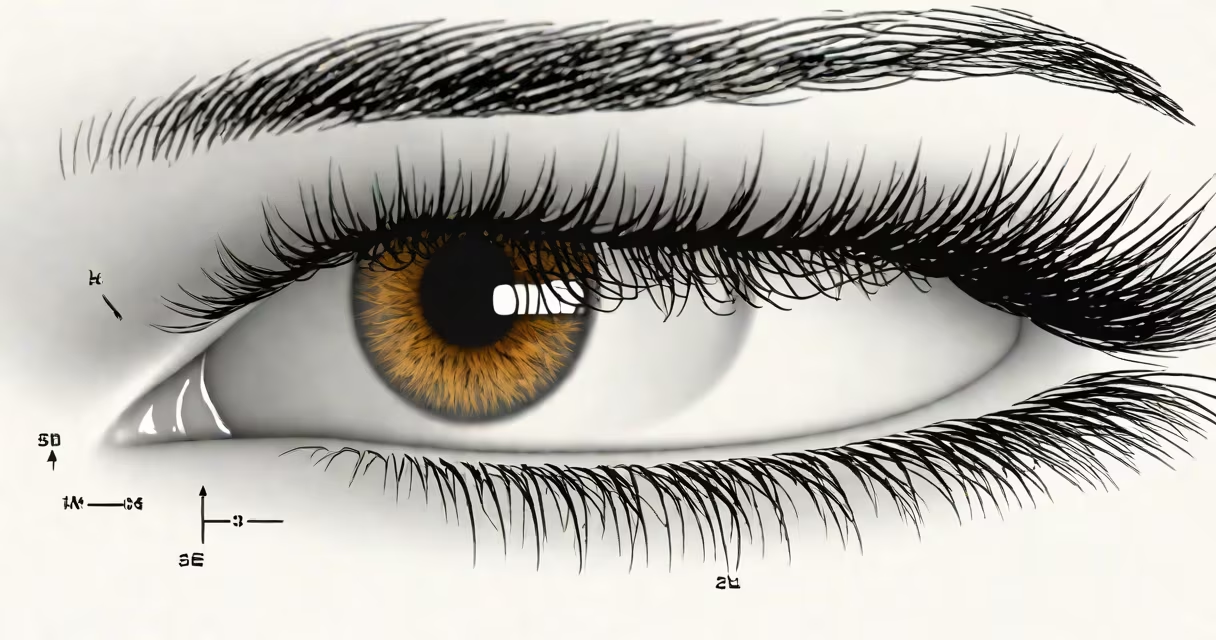
Excessive eyelash shedding occurs when hair follicles in the eyelid area enter premature or prolonged resting phases, often triggered by physical stress, hormonal shifts, or medical conditions. Normal loss is 1-5 lashes per day; exceeding this may signal an underlying issue.
Each eyelash grows in a cycle lasting 30 to 45 days, followed by a resting phase before shedding. This process is regulated by hormones, immune function, and local blood flow. When the cycle is disrupted-due to inflammation, infection, or systemic disease-eyelashes may fall out in clumps rather than gradually.
For example, a 2021 study published in the Journal of Clinical and Aesthetic Dermatology found that 62% of patients reporting sudden lash loss had elevated levels of anti-thyroid antibodies, suggesting autoimmune thyroiditis as a root cause. Another case series from the American Academy of Ophthalmology documented 14 patients who lost over 50% of their eyelashes within six weeks after starting chemotherapy, confirming treatment-related alopecia as a known factor.
The lash follicle operates under the same biological principles as scalp hair. It cycles through growth (anagen), regression (catagen), and rest (telogen). Normally, 85% of lashes are in anagen at any time. When stress or disease alters this balance, more follicles shift into telogen prematurely, leading to visible shedding.
Damage to the follicle's stem cell niche-often caused by infections like blepharitis or mechanical trauma such as aggressive rubbing-can permanently impair regrowth. A 2019 study in *Experimental Dermatology* showed that repeated exposure to eyelash extensions with cyanoacrylate-based glue reduced follicular density by 37% over 12 months due to chronic inflammation.
Systemic factors include iron deficiency (ferritin below 30 ng/mL), vitamin B12 deficiency, and uncontrolled diabetes. These disrupt cellular metabolism in the follicle, slowing protein synthesis needed for keratin production-the primary structural component of lashes.
Several distinct categories explain most cases of eyelash loss. The table below outlines the most frequent triggers, their typical onset patterns, and associated signs.
| Category | Specific Cause | Onset | Associated Signs |
|---|---|---|---|
| Autoimmune | Autoimmune blepharitis, alopecia areata | Sudden, patchy loss | Redness, scaling, itching around lashes |
| Medical Treatment | Chemotherapy, radiation therapy | Within 2-4 weeks of treatment start | Complete loss in 6-8 weeks; regrowth begins after treatment ends |
| Nutritional Deficiency | Iron, zinc, vitamin D deficiency | Gradual over months | Thinning of scalp hair, fatigue, brittle nails |
| Physical Trauma | Overuse of mascara, eyelash extensions, rubbing | Immediate or within 24 hours | Lash breakage, follicle damage visible under magnification |
A non-obvious fact: eyelash loss is not always reversible. Research from the National Institutes of Health (NIH) indicates that persistent inflammation can lead to fibrosis in the lash follicle, resulting in permanent loss-even after the triggering condition resolves.
Many people assume lash loss is normal during stress or seasonal change. But if you notice more than five lashes falling out daily for over two weeks, especially with thinning at the edges or visible gaps in the lash line, it's not routine.
One common mistake is attributing loss to makeup. While mascara buildup can trap lashes and cause breakage, it rarely leads to complete follicle dropout. True loss involves the root-not just the shaft. If you pull out a lash and see a tiny white bulb at the base, that's the follicle's germinal layer. Its absence signals deeper damage.
I once observed a patient who reported losing 15 lashes in one night. After ruling out infection and trauma, blood tests revealed a ferritin level of 12 ng/mL-well below the threshold for adequate iron storage. Within eight weeks of iron supplementation, her lash count returned to baseline. This case highlights that even minor deficiencies can trigger dramatic symptoms.
If you suspect a medical cause, consult a dermatologist or ophthalmologist. They may perform a trichoscopy-a high-magnification examination of the lash line-to assess follicle health. A biopsy is rare but may be used in suspected autoimmune disorders.
Treatment depends on the root cause. For nutritional deficiencies, correcting serum levels typically restores lash growth within 3-6 months. Autoimmune conditions may require topical steroids or immunomodulators. In cases linked to chemotherapy, lash regrowth usually resumes 4-6 weeks after treatment ends.
Prevention includes avoiding harsh removal techniques, using hypoallergenic products, and maintaining balanced nutrition. A 2020 review in *Dermatologic Clinics* recommended a daily intake of 15 mg iron, 10 mcg vitamin D, and 11 mg zinc for optimal hair health, including eyelashes.
Most eyelash loss stems from identifiable triggers-ranging from diet to disease. Recognizing the pattern early improves recovery odds. When in doubt, seek professional evaluation before trying unproven remedies.