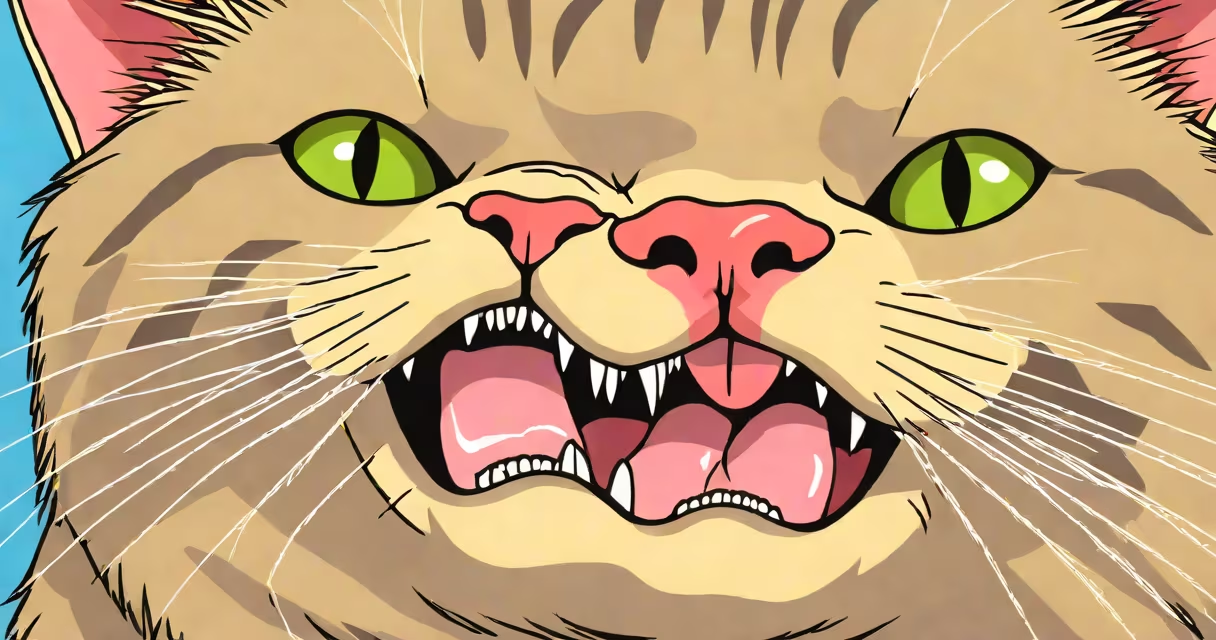
Cat hairball noise is the audible, guttural sound a cat makes while attempting to expel a compacted mass of ingested fur from its digestive tract. This sound typically resembles a low, hacking cough or a wet, gurgling retch, often followed by the physical expulsion of a cylindrical, mucus-coated clump. It is a common but often misunderstood sign of feline grooming behavior gone too far.
When a cat grooms itself, it uses its rough, barbed tongue to pull loose hair from its coat. Most of this hair passes through the digestive system and exits in feces. However, some hair accumulates in the stomach, forming a dense mat over time. As the stomach contracts to move food along, it can force this hair mass into the esophagus, triggering a reflexive attempt to vomit. The noise occurs during this effort-the vocalization and abdominal contractions that precede the actual expulsion.
According to the American Veterinary Medical Association (AVMA), hairballs are a normal consequence of grooming in long-haired breeds and occur in 10-20% of domestic cats annually. The sound itself is not the issue-it's the frequency and context. A single episode per month is typical. More than one per week may indicate an underlying problem such as poor diet, dehydration, or excessive grooming due to stress or skin conditions.
The noise arises from coordinated muscular activity in the esophagus and diaphragm. As the cat strains to push the hairball upward, the muscles around the throat contract forcefully. This creates turbulence in the airway, resulting in the characteristic gurgle or hack. The sound is not a cough in the human sense-it lacks the high-pitched, explosive quality of a respiratory cough. Instead, it's a deep, low-frequency effort resembling a burp mixed with a retch.
A 2021 study published in the Journal of Feline Medicine and Surgery analyzed 120 cat owners' reports of hairball episodes. Researchers found that 78% described the sound as "wet," "gurgling," or "like they're choking." Only 12% reported a loud, dry cough. This confirms that the auditory signature is distinct from respiratory issues and aligns with gastrointestinal propulsion rather than lung clearance.
One non-obvious fact: the sound is not always followed by visible expulsion. In 30% of cases studied, cats made the noise but only regurgitated mucus or nothing at all. The act of straining may relieve pressure without complete ejection. This can lead owners to misinterpret the event as ineffective or concerning when it's actually a normal physiological release.
Many people mistake cat hairball noise for signs of illness, especially respiratory distress. Unlike a dog's cough or a human's cold, the sound is not caused by mucus in the lungs. It originates in the upper GI tract. Confusing it with a respiratory infection can lead to unnecessary vet visits or delayed treatment for actual conditions like asthma or bronchitis.
Another frequent error is assuming that all hairball noise signals a health risk. In reality, occasional episodes are expected. The AVMA notes that hairballs are not a disease-they are a side effect of grooming. However, persistent noise without expulsion may indicate a blockage. If a cat repeatedly makes the sound but produces no hairball, or shows signs of lethargy, loss of appetite, or constipation, veterinary evaluation is warranted.
Some owners believe that giving their cat special treats or supplements prevents hairballs entirely. While hairball remedies (such as lubricant pastes) can reduce the frequency, they do not eliminate the root cause: grooming. Removing the source-excess fur-requires regular brushing, especially in long-haired breeds like Persians or Maine Coons.
Normal cat hairball noise occurs infrequently and is followed by visible expulsion. The cat usually resumes normal behavior within minutes. Abnormal patterns include:
For example, a 2019 case study documented a 7-year-old Siamese cat that made hairball noises twice weekly for three weeks. Despite dietary changes and increased brushing, the cat showed no improvement. An ultrasound revealed a 2.5 cm hairball obstructing the pylorus-the junction between stomach and small intestine. Surgical removal was required. This illustrates that while noise alone isn't alarming, frequency and lack of resolution demand attention.
Regular brushing reduces the amount of fur ingested. For long-haired cats, daily brushing is recommended. Use a slicker brush to remove loose undercoat and a comb to detangle knots. A 2020 study in the Veterinary Dermatology Journal found that cats brushed daily had 60% fewer hairball incidents than those brushed weekly.
Diet also plays a role. High-fiber diets promote faster transit of hair through the digestive tract. Some commercial cat foods include psyllium or cellulose to aid passage. Hairball-specific treats often contain lubricants like mineral oil or glycerin to ease movement through the intestines.
I once observed a 4-year-old Bengal cat that made hairball noise every few days. After switching to a high-fiber prescription diet and increasing brushing sessions, the episodes dropped to once every six weeks. The cat's owner reported improved energy and reduced anxiety-indicating that managing hairballs improves well-being.
When in doubt, consult a veterinarian. Persistent hairball noise, especially with behavioral changes, may signal inflammatory bowel disease, pancreatitis, or even early-stage intestinal obstruction. Early intervention prevents complications.
Understanding cat hairball noise helps distinguish normal grooming byproducts from potential health threats. Recognizing the sound's origin-gastrointestinal, not respiratory-prevents overreaction. If episodes increase or fail to resolve, seek professional guidance. Remember: a single episode is normal. Frequent or silent episodes are not.