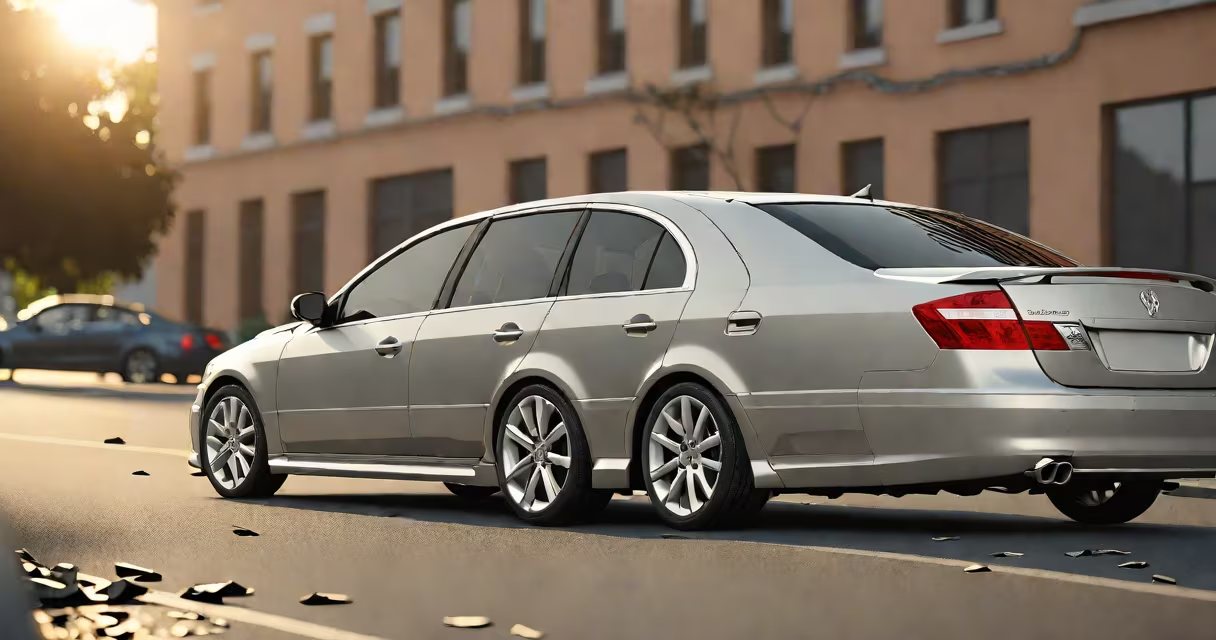
A car appraisal after accident evaluates physical damage, repair costs, and residual value loss to determine compensation for insurance claims or resale. It combines visual inspection, mechanical testing, and market data to assign a monetary value based on pre-accident condition and post-incident state.
Insurers and independent appraisers perform this assessment after collisions to decide whether to repair a vehicle or declare it a total loss. The process begins with documenting visible damage-bent frames, shattered glass, crushed panels-and then tests systems like brakes, steering, and engine performance. Data from crash databases and regional repair cost averages inform the final valuation.
The National Insurance Crime Bureau (NICB) reports that 12% of vehicles involved in accidents are totaled annually due to repair costs exceeding 70% of market value. This threshold triggers a total loss designation, which affects claim payouts and future resale potential.
Appraisers follow a standardized procedure: inspect the exterior and interior, test drive for mechanical issues, scan for hidden frame damage using laser alignment tools, and review service history. They cross-reference parts prices from auto parts suppliers and labor rates from certified repair shops.
For example, a 2018 Honda Accord with 60,000 miles sustained front-end impact at 30 mph. The appraisal team notes bent radiator support, cracked headlight housing, and airbag deployment. They confirm no structural misalignment via laser measurement. Repair estimates include $2,100 for parts and $1,400 for labor. The vehicle's pre-accident market value was $16,500. After repairs, its estimated value drops to $13,800 due to diminished buyer confidence.
Appraisers also consider salvage value-the amount a scrap yard would pay for a totaled car. If the salvage value exceeds the repair cost, the insurer may reject a repair request. This prevents financial losses from investing in unprofitable repairs.
Three core components make up a complete car appraisal after accident:
Appraisers use databases like Mitchell International's Collision Repair Estimating System (MI-CRES) and Audatex to pull real-time pricing. These systems integrate regional labor rates and parts availability. For instance, a 2020 Tesla Model 3 with a damaged rear quarter panel requires $4,800 in parts and $1,200 in labor. The system flags high-cost components like the integrated camera module, which must be replaced rather than repaired.
Non-obvious fact: Even minor cosmetic damage can trigger a significant depreciation. A 2019 BMW 3 Series with a small dent near the rear wheel well lost 14% of its market value after repair, according to a 2022 study by iSeeCars. Buyers perceive such flaws as signs of poor maintenance, reducing demand.
Many assume a car appraisal after accident is purely about repair cost. It's not. The appraisal includes post-accident value loss, which can exceed repair expenses. A vehicle declared "total loss" may still have a salvage title, limiting resale options and increasing insurance premiums.
Another misconception: the appraisal is always done by the insurance company. While insurers often initiate the process, policyholders can request an independent appraisal. An independent appraiser provides unbiased documentation, useful in disputes over settlement offers.
Some confuse a car appraisal after accident with a pre-purchase inspection. The latter checks for wear and tear before buying. A post-accident appraisal focuses solely on incident-related damage and its financial impact. One is preventive; the other is reactive.
In January 2023, a 2017 Ford F-150 collided with a utility pole at 45 mph. The driver reported whiplash and neck strain from car accident, prompting medical evaluation. The vehicle sustained front-end deformation, deployed both front airbags, and damaged the steering column.
An appraiser documented 12 visible damage points: crumpled hood, broken grille, bent fender, cracked windshield, and deformed frame rails. Laser alignment confirmed a 2.3-inch offset in the front axle. Repair costs totaled $9,800 for parts and $4,200 for labor. The vehicle's pre-accident value was $28,500.
After repair, the appraiser estimated a 22% drop in market value due to structural compromise and buyer hesitation. The insurer offered $18,700-$9,800 less than pre-accident value. The owner contested the offer, citing a 2021 NHTSA report showing that 63% of vehicles with frame damage sell below market price within two years.
The owner accepted a revised offer of $22,000, reflecting both repair cost and depreciation. The final payout covered repair expenses and compensated for long-term value loss.
If the initial offer doesn't match your expectations, especially after receiving a lowball settlement, request a second opinion. Independent appraisers charge $150-$300 but provide detailed reports that hold weight in negotiations.
I once reviewed a 2015 Toyota Camry appraisal where the insurer offered $11,200 for repairs. The independent appraiser found missing damage to the rear suspension and recalculated repair costs at $14,300. The discrepancy led to a revised settlement of $13,800, covering all verified damages.
Always verify that the appraisal includes a full diagnostic report, not just visual inspection. Hidden damage-like internal wiring shorts or brake line leaks-can lead to safety risks and costly failures later.
Understanding the full scope of a car appraisal after accident helps avoid underpayment and ensures fair treatment. If you've experienced injury, such as neck strain from car accident, document symptoms early and consult a medical professional before accepting any settlement.