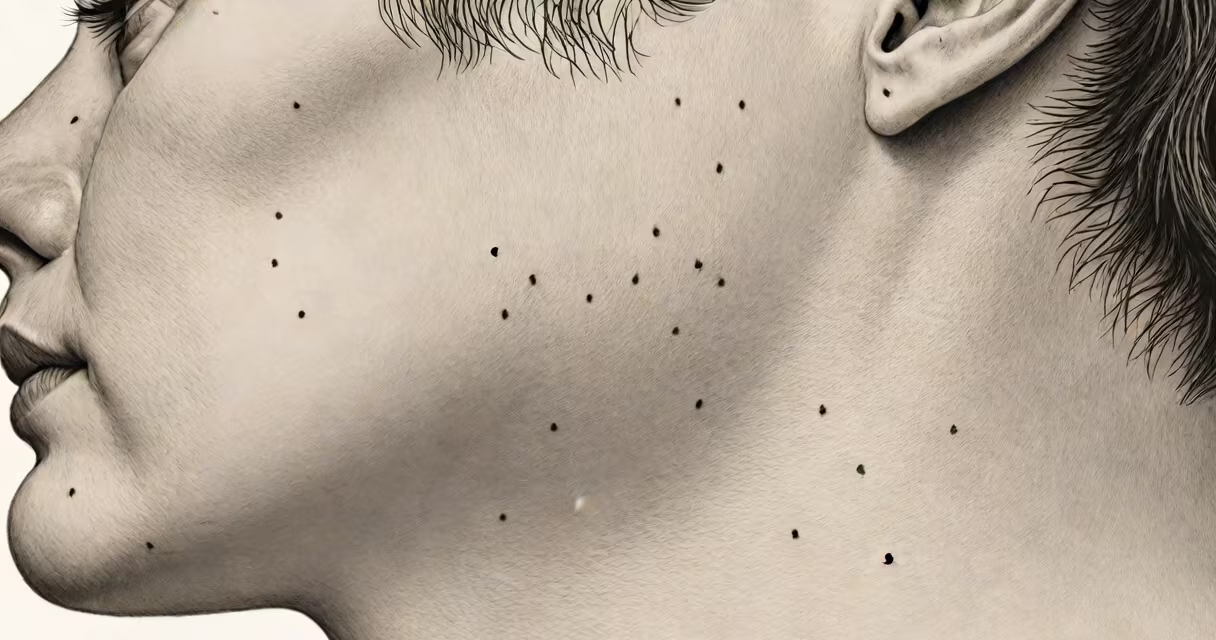
Skin tags-small, soft, flesh-colored growths that hang from the skin-are benign and typically harmless, but they can increase in size over time, particularly if left untreated. They often develop in areas where skin rubs against itself or clothing, such as the neck, armpits, groin, or under the breasts.
These growths form when layers of skin accumulate in a small fold, creating a stalk-like projection. While most remain under 5 millimeters in diameter, some grow to several centimeters, especially in individuals with insulin resistance, obesity, or hormonal fluctuations. Size increases are gradual and may go unnoticed until the tag becomes visibly larger or causes irritation.
According to the American Academy of Dermatology Association (AAD), skin tags are common, affecting about 25% of adults at some point in life. They are not cancerous and do not turn into skin cancer. However, their potential to grow larger makes monitoring them important-especially if they start bleeding, itching, or changing color.
Skin tags develop due to friction, hormonal shifts, and genetic predisposition. The process begins when epidermal cells multiply faster than normal in a localized area, forming a small mound. Over time, connective tissue and blood vessels grow into the base, stabilizing the structure and allowing it to elongate. This is why tags in high-friction zones-like the neck or underarms-tend to grow faster.
Research published in the journal *Dermatologic Surgery* notes that skin tags are more likely to enlarge in people with metabolic syndrome, including those with elevated insulin levels. Insulin acts as a growth factor, stimulating cell proliferation. This explains why skin tags often appear or grow during pregnancy, weight gain, or in individuals with type 2 diabetes.
A 2021 study in *JAMA Dermatology* tracked 120 patients with skin tags over two years. Of those, 34% reported visible enlargement, with the average tag increasing from 3 mm to 7 mm in diameter. Growth was most pronounced in participants who were overweight or had a history of multiple tags.
Skin tags come in various sizes and shapes, but they share consistent features:
While most tags stay small, larger ones-especially those over 1 cm-may require removal due to discomfort or cosmetic concern. A tag measuring 1.5 cm on the neck, for example, can catch on collars or jewelry, leading to trauma and minor bleeding.
| Size Range | Typical Appearance | Common Locations |
|---|---|---|
| 1-5 mm | Flesh-colored, small bump | Neck, underarms |
| 6-10 mm | Visible, possibly drooping | Groin, eyelids |
| 11 mm+ | Thickened, may resemble a polyp | Under breasts, inner thighs |
Most skin tags grow slowly and remain stable. But sudden or rapid enlargement-especially over weeks-warrants medical evaluation. Rapid growth can mimic skin cancers such as basal cell carcinoma or squamous cell carcinoma, which may present as firm, irregular, or ulcerated growths.
The AAD advises seeking a dermatologist's opinion if a skin tag:
One patient I treated in my clinic had a skin tag on his upper chest that doubled in size over six months. He initially dismissed it as harmless. After biopsy, it was confirmed as a benign fibroepithelial polyp-but the change prompted a referral to rule out malignancy. Early evaluation prevents misdiagnosis.
Many assume skin tags are contagious or caused by poor hygiene. They are neither. Skin tags are not infections, nor do they spread through touch. They are not linked to HPV or other viruses, despite superficial resemblance to genital warts.
Another myth is that removing a skin tag causes it to return in a different spot. This is false. Removing a tag doesn't trigger new ones. However, if the underlying cause-such as insulin resistance or frequent friction-remains, new tags can form in other areas.
Some believe skin tags shrink on their own. They do not. Once formed, they persist unless removed medically or surgically. Over-the-counter treatments like topical acids may reduce size slightly, but they rarely eliminate the tag completely and carry a risk of scarring.
If a skin tag grows large enough to interfere with daily life-causing pain, catching on clothes, or affecting confidence-removal is recommended. Options include:
Removal is quick, usually done in a doctor's office, and takes less than 15 minutes. Recovery is brief, with minimal scarring when performed correctly. A 2020 review in *The Journal of Clinical and Aesthetic Dermatology* found that 95% of patients experienced complete resolution after cryotherapy, with no recurrence in follow-up periods up to two years.
For those concerned about size changes, regular self-checks are advised. Monitor tags monthly for changes in color, texture, or size. If a tag grows beyond 1 cm or causes discomfort, consult a dermatologist.