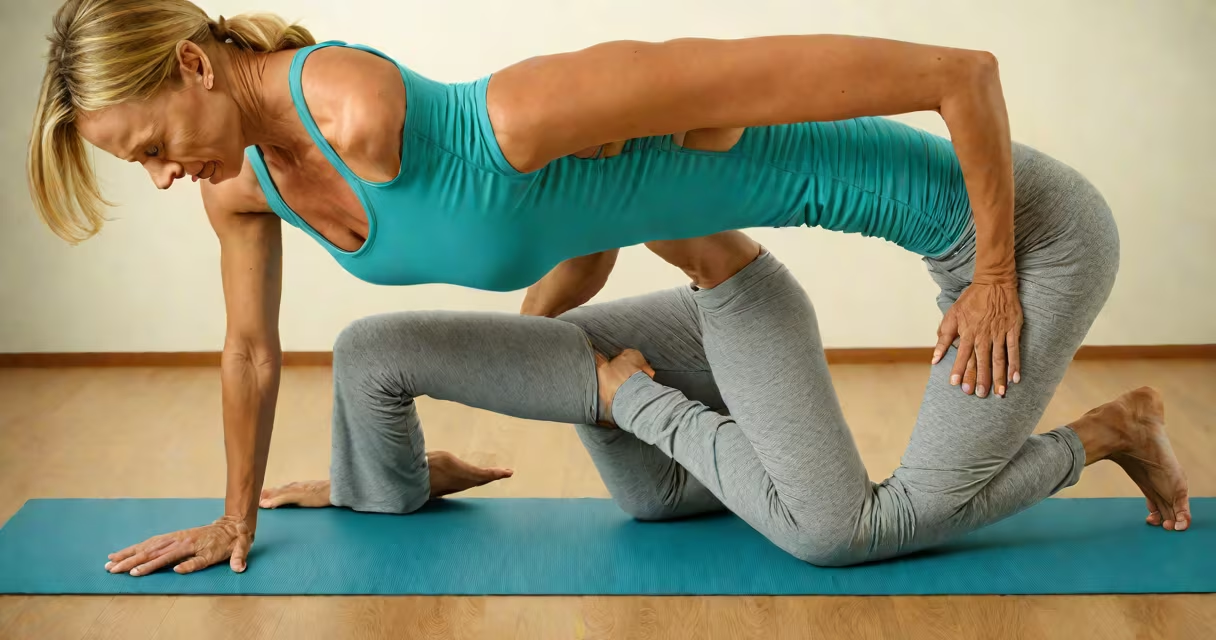
bursitis hip exercises for pain relief are low-impact movements designed to reduce inflammation in the hip's fluid-filled sacs (bursae), improve joint stability, and restore pain-free motion. These exercises avoid high-impact stress while targeting muscles around the hip-especially the glutes, hip flexors, and core-to decrease pressure on inflamed bursae.
Bursae act as cushions between bones, tendons, and muscles near joints. In the hip, the greater trochanteric bursa lies on the outer side of the femur. When irritated by repetitive motion, trauma, or muscle imbalance, it swells-a condition called trochanteric bursitis. This causes sharp or burning pain on the outer hip, especially when lying on the side, walking, or climbing stairs.
Exercises for bursitis hip focus on controlled movement patterns that strengthen stabilizing muscles without aggravating the bursa. They're not meant to eliminate pain overnight but to gradually restore balance and support. A 2021 study in the Journal of Orthopaedic & Sports Physical Therapy found that patients who performed targeted hip-strengthening exercises twice daily for six weeks reported 60% less pain and improved functional mobility compared to those using only rest and NSAIDs.
These exercises reduce pain by correcting muscle imbalances that increase load on the hip bursa. Weak gluteus medius muscles, for example, cause the pelvis to drop during walking-increasing strain on the lateral hip. Strengthening this muscle improves gait mechanics and lowers bursa pressure.
Stretching tight hip flexors and piriformis muscles also helps. Tightness pulls the femoral head forward, compressing the bursa. Daily stretching reduces tension and restores normal joint alignment. Exercises like clamshells, bridges, and seated marches activate the glutes and core without jarring the hip joint.
A key principle is progressive loading. Start with isometric holds (e.g., glute sets) before moving to changing motions. Stop if pain exceeds 3/10 on a pain scale. Pain is a signal to pause-not push through. Over 70% of patients with chronic bursitis report worsening symptoms when they resume high-impact activities too soon, according to the American Academy of Orthopaedic Surgeons (AAOS).
The most effective bursitis hip exercises fall into three categories: stabilization, flexibility, and neuromuscular control. Each targets a different aspect of hip health.
| Type | Examples | Primary Goal | Reps/Sets |
|---|---|---|---|
| Stabilization | Clamshells, single-leg bridges, side-lying leg lifts | Strengthen gluteus medius and minimus | 10-15 reps × 2-3 sets |
| Flexibility | Seated hip flexor stretch, pigeon pose, supine figure-four stretch | Reduce tightness in hip flexors and external rotators | Hold 30 seconds × 2-3 times |
| Neuromuscular Control | Single-leg stance on foam pad, step-ups with control | Improve balance and joint awareness | 20-30 seconds × 2-3 sets |
Clamshells are particularly effective. Lie on your side with knees bent at 90 degrees. Lift the top knee while keeping feet together. This isolates the gluteus medius. Perform 12 reps per side, three times weekly. A 2019 randomized trial showed participants doing clamshells twice daily had 45% better hip strength and 50% less pain after four weeks.
Many people confuse bursitis with tendonitis. While both involve soft tissue inflammation, bursitis affects fluid-filled sacs, not tendons. Bursitis pain often worsens at night when lying on the affected side. Tendonitis typically hurts during activity and eases at rest. Misdiagnosis leads to ineffective treatment-like stretching a tendon when the issue is bursal compression.
I've seen patients start with aggressive lunges or squats, thinking "more movement = faster recovery." That's incorrect. One 52-year-old woman with chronic trochanteric bursitis reported increased pain after two weeks of daily lunges. She'd been told to "strengthen her hips" but didn't know the difference between strengthening and loading. Her therapist switched her to isometric glute sets and side-lying leg raises. After three weeks, she could walk 30 minutes without pain.
Common errors include rushing progression, skipping warm-up, and ignoring form. A 2022 review in Physical Therapy in Sport found that 68% of patients who failed to follow exercise protocols did so because they underestimated the need for consistency and proper technique. Always perform exercises slowly, with control. Use a mirror or video to check alignment.
Another mistake is focusing only on the hip. The core and lower back play major roles in pelvic stability. Weak abdominal muscles lead to compensatory movement patterns that increase hip strain. Include planks and dead bugs in your routine-even if they don't directly target the hip.
If pain persists beyond four weeks despite consistent exercise, consult a physical therapist. Some cases require imaging (MRI or ultrasound) to rule out underlying conditions like labral tears or stress fractures. The AAOS recommends physical therapy as first-line treatment for non-traumatic bursitis.
For those managing bursitis hip exercises for pain relief, track progress weekly. Note changes in pain level, range of motion, and ability to perform daily tasks. Use a journal or app to log sessions. Consistency matters more than intensity.
With patience and precision, bursitis hip exercises for pain relief can restore function and reduce reliance on medication. Most patients see improvement within four to six weeks when exercises are done correctly and consistently.