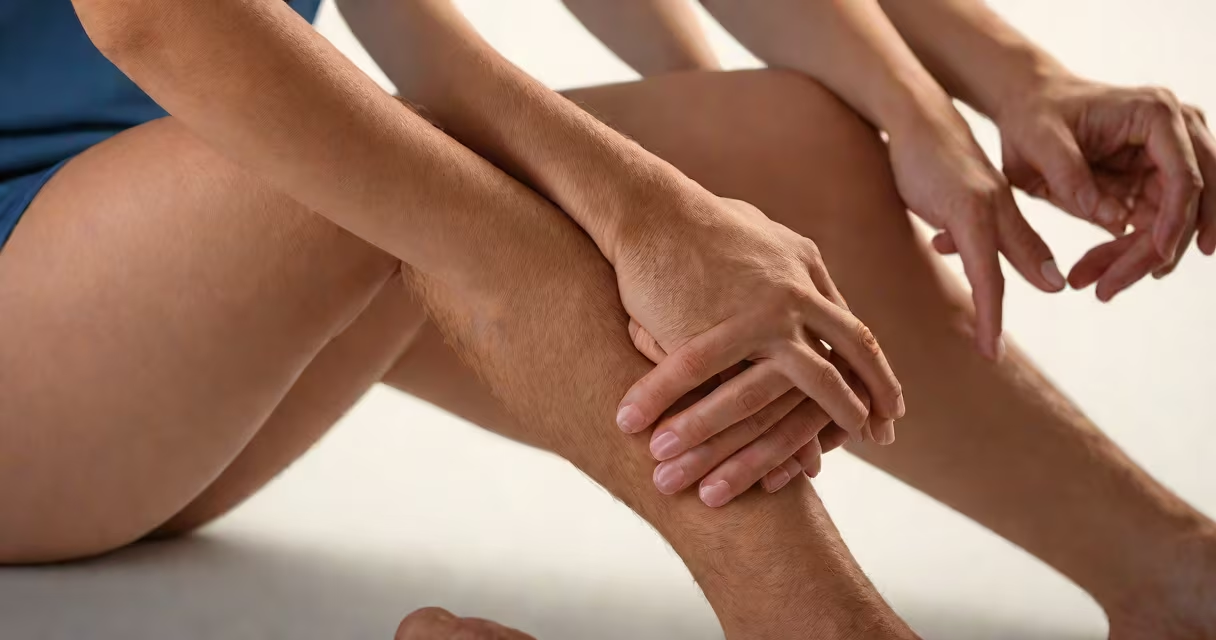
Pain at the bottom of the knee typically stems from strain on the patellar tendon, inflammation of the prepatellar bursa, or overuse during repetitive motion. This area connects the kneecap to the shinbone and bears significant load during walking, jumping, or squatting.
The pain often worsens with activity and improves with rest. It may feel sharp during movement or dull and achy afterward. In athletes, especially those involved in running or jumping sports, this symptom frequently indicates patellar tendinitis-also known as jumper's knee. According to the American Academy of Orthopaedic Surgeons (AAOS), this condition affects 20-40% of competitive jumpers and runners.
Common triggers include sudden increases in training volume, poor warm-up routines, or weak quadriceps muscles. A 2021 study in the Journal of Orthopaedic & Sports Physical Therapy found that 68% of patients with anterior knee pain reported pain specifically localized to the inferior pole of the patella, confirming the clinical relevance of this location.
The patellar tendon transmits force from the quadriceps muscle to the tibia. During activities like running or jumping, it absorbs impact forces that can exceed body weight by up to 4 times. Repeated stress leads to microtears in the tendon, triggering inflammation and pain.
Over time, the body attempts repair through collagen deposition, but disorganized healing results in scar tissue and reduced elasticity. This process, known as tendinosis, can persist for months without proper management. Pain usually begins gradually-first noticed after exercise, then during activity, and eventually at rest.
A 32-year-old recreational runner reported sharp pain below the kneecap after increasing weekly mileage from 20 to 40 miles. The pain intensified during downhill runs and persisted for three weeks despite rest. MRI confirmed thickening and signal changes in the distal patellar tendon-consistent with early tendinosis.
Several distinct conditions cause pain at the bottom of the knee. The most frequent are:
| Condition | Location of Pain | Key Triggers | Diagnostic Clue |
|---|---|---|---|
| Patellar tendinitis | Directly under the kneecap | Jumping, running, squats | Pain worsens with resistance during leg extension |
| Prepatellar bursitis | Front of the knee, just below the kneecap | Repetitive kneeling (e.g., carpet installers) | Swelling, redness, warmth-sometimes called "housemaid's knee" |
| Quadriceps tendinopathy | Top of the patella, but pain radiates downward | Heavy lifting, sudden acceleration | Pain with straight-leg raises |
Patellar tendinitis accounts for nearly 70% of cases in young athletes, per a 2019 review in the British Journal of Sports Medicine. It's often misdiagnosed as "runner's knee," which typically refers to lateral knee pain due to iliotibial band friction.
Non-athletes may develop bursitis from prolonged kneeling. A construction worker who spent six hours daily on his knees developed swelling and tenderness below the kneecap. Ultrasound revealed fluid accumulation in the prepatellar bursa-confirming bursitis.
While overuse is the leading cause, bottom-of-knee pain can signal more serious issues. Stress fractures in the tibia occur in runners with high training loads and poor nutrition. These appear as deep, localized pain that worsens at night and persists despite rest.
Arthritis-especially osteoarthritis-can affect the patellofemoral joint. In older adults, degeneration of cartilage beneath the kneecap leads to grinding sensations and pain during stair climbing. A 2020 study in Arthritis Care & Research found that 43% of patients over 60 with knee pain had radiographic evidence of patellofemoral arthritis.
One patient, a 58-year-old woman, reported persistent pain at the base of her kneecap after falling on ice. X-rays showed a small avulsion fracture where the patellar tendon attaches to the tibia. She required immobilization and physical therapy for recovery.
Rest, ice, compression, and elevation (RICE) help reduce acute inflammation. Avoid activities that exacerbate pain-particularly jumping, deep squats, or descending stairs. Over-the-counter NSAIDs like ibuprofen can relieve pain and swelling, though they don't treat the underlying issue.
Physical therapy focusing on eccentric strengthening of the quadriceps reduces tendon load. A 2022 randomized trial published in the Journal of Athletic Training showed that 12 weeks of eccentric heel drops reduced pain scores by 65% in patients with patellar tendinitis compared to placebo.
Occasionally, pain at the bottom of the knee is referred from the hip or spine. Sciatica can mimic knee pain, but it typically presents with numbness or tingling along the leg. A thorough history and physical exam help distinguish origin.
During a clinic visit, a 24-year-old basketball player described pain only when landing from jumps. Palpation revealed tenderness at the tendon's insertion point. Doppler ultrasound showed increased blood flow-indicative of active tendinopathy. He began a supervised eccentric loading program and returned to play in eight weeks.
Bottom of knee hurts? Identify the pattern-timing, activity, and associated symptoms-to guide care. Early intervention prevents progression to chronic tendinosis. If uncertainty remains, seek evaluation to avoid delayed treatment.