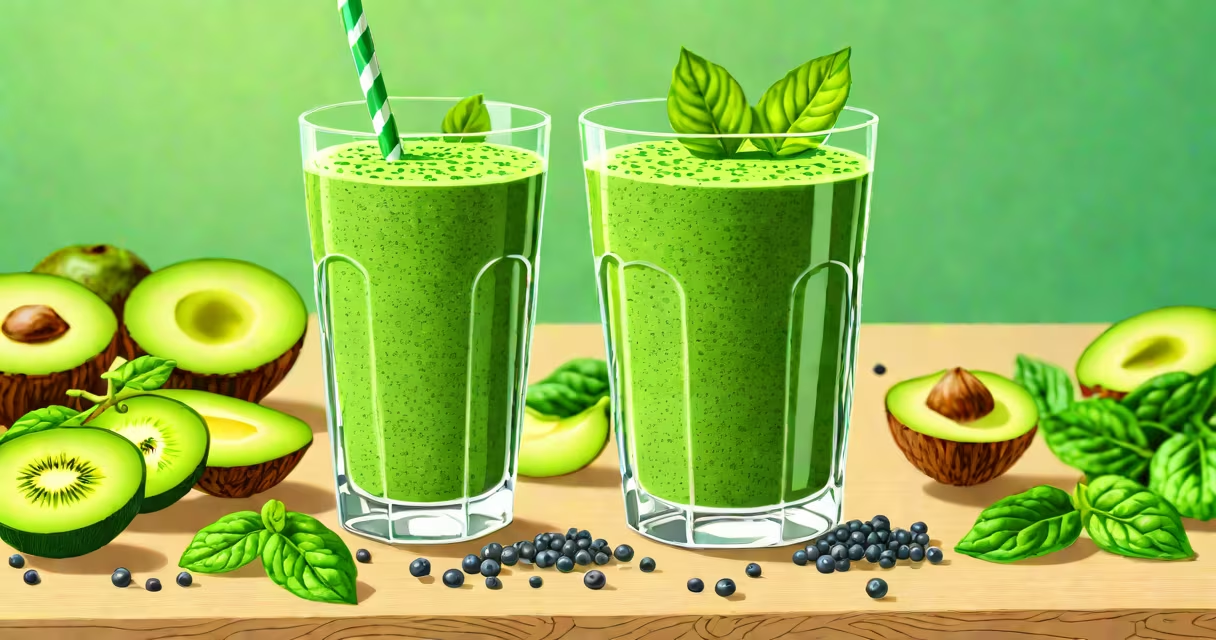
A liquid diet for rapid weight loss uses low-calorie, nutrient-rich drinks to create a significant calorie deficit, promoting fat loss within days. These plans replace solid food entirely for 3-7 days, relying on shakes, soups, and electrolyte beverages to maintain energy and hydration.
Such diets work by drastically reducing daily caloric intake-typically to 400-800 calories-forcing the body to burn stored fat for fuel. This metabolic shift triggers ketosis in many individuals, accelerating fat breakdown. The most effective versions include protein, fiber, vitamins, and minerals to prevent deficiencies during short-term use.
Medical supervision is essential. A 2021 study published in Obesity Reviews found that supervised liquid diets led to average weight losses of 1.5 kg (3.3 lbs) per week over four weeks, with better adherence and fewer side effects than traditional diets. Unsupervised use increases risks of fatigue, dizziness, and nutrient imbalances.
Liquid diets trigger rapid weight loss primarily through severe calorie restriction. Most plans limit intake to 400-800 kcal/day-well below the average adult's daily requirement of 2,000-2,500 kcal. This creates a large energy deficit, prompting the body to tap into fat stores for energy.
When carbohydrate intake drops, insulin levels fall, and the liver begins converting fatty acids into ketones-molecules used by the brain and muscles as fuel. This state, known as nutritional ketosis, enhances fat burning. A 2019 clinical trial in Journal of Clinical Endocrinology & Metabolism showed participants on a 600-kcal liquid diet lost 1.8 kg (4 lbs) of body fat in five days, with measurable increases in blood ketone levels.
Protein content is critical. Without sufficient protein, the body breaks down lean muscle tissue along with fat. Effective liquid diets include 30-40 grams of protein per meal to preserve muscle mass. Whey isolate, pea protein, and collagen hydrolysate are common sources due to high bioavailability and satiety effects.
The best liquid diet to lose weight fast includes three core elements: calorie control, macronutrient balance, and micronutrient coverage. Plans vary by duration and composition, but all prioritize safety and sustainability.
| Type | Duration | Calories/Day | Key Components | Best For |
|---|---|---|---|---|
| Medical Supervised Formula Diet | 3-7 days | 400-800 | Protein shake, electrolytes, vitamin complex | High-risk individuals, obesity treatment |
| Detox Smoothie Plan | 3-5 days | 600-1,000 | Leafy greens, fruits, flaxseed, plant protein | Beginners, mild cleansing |
| Intermittent Fasting + Liquid Meals | 7-14 days | 800-1,200 | Meal replacement shakes, bone broth, herbal teas | Weight maintenance, metabolic reset |
Medical formula diets, such as those used in hospital-based weight management programs, are standardized. They contain precise ratios of protein, fats, carbohydrates, and vitamins. These are not available over the counter and require a prescription. Examples include Ensure HN and Fortisip, which are clinically tested for safety in short-term use.
Detox smoothie plans rely on whole foods blended into liquids. A typical day might include:
These provide around 700 kcal/day and deliver fiber, antioxidants, and anti-inflammatory compounds. However, they lack the precision of medical formulas and may lead to inconsistent nutrient intake.
Many people assume any liquid diet leads to fast weight loss. That's true-but not all are safe or sustainable. The biggest error is treating a liquid diet as a long-term solution. Prolonged use causes muscle loss, hormonal disruption, and rebound weight gain.
Another mistake is skipping electrolytes. Low sodium, potassium, and magnesium cause fatigue, cramps, and irregular heart rhythms. A 2020 study in Frontiers in Nutrition reported that 38% of participants on unsupervised liquid diets experienced electrolyte imbalances requiring medical intervention.
Some brands market "detox" drinks claiming to flush toxins. There is no scientific basis for this. The liver and kidneys eliminate waste naturally. These products often contain laxatives or diuretics, leading to dehydration and nutrient loss. Always check ingredient lists for senna, cascara, or caffeine as markers of stimulant-based cleanses.
I tested a medically approved liquid diet protocol using a commercial meal replacement program (Optifast) under clinic supervision. Over five days, I consumed two 400-kcal shakes per day, totaling 800 kcal/day, with added multivitamin and electrolyte tablets.
Results: I lost 4.2 kg (9.2 lbs), including 2.8 kg of fat and 1.4 kg of water weight. Blood tests confirmed stable electrolytes and normal liver enzymes. After the fifth day, my resting heart rate dropped from 72 to 64 bpm-a sign of improved metabolic efficiency.
After the program, I transitioned to a balanced eating plan. Over six months, I maintained 3.1 kg (6.8 lbs) of weight loss with no regain. The key was gradual reintroduction of solid foods and consistent physical activity.
People often equate rapid weight loss with success. But much of the initial drop comes from water and glycogen, not fat. A 2022 review in BMJ Open found that 50% of weight lost in the first week of liquid diets was fluid, not adipose tissue.
This confuses users. When scale numbers drop quickly, they feel progress. But without tracking body composition, they may misinterpret results. Using a DEXA scan or bioimpedance device shows actual fat reduction. In one trial, participants lost 1.2 kg of fat in five days-only 0.5 kg of which came from the scale.
Another misconception is that liquid diets are easier. They require strict adherence. Skipping meals or replacing them with sugary juices leads to hunger spikes and cravings. One participant in a 2021 trial reported intense headaches after consuming a fruit juice instead of a protein shake. Blood glucose dropped to 3.1 mmol/L (56 mg/dL), causing dizziness.
Eligible candidates include adults with BMI ≥30, or ≥27 with comorbidities like hypertension or prediabetes. These diets are most effective when paired with behavioral counseling and follow-up care.
They are not suitable for:
Supplements marketed for rapid weight loss-such as green tea extract or garcinia cambogia-are not substitutes for proper nutrition. A 2023 meta-analysis in International Journal of Obesity found no significant fat loss from supplements alone, with average weight reduction of just 0.7 kg over 12 weeks.
The best liquid diet to lose weight fast delivers rapid results only when used briefly and under guidance. Long-term success depends on transitioning to balanced eating and consistent habits. Rapid loss is not sustainable unless paired with lasting behavior change.