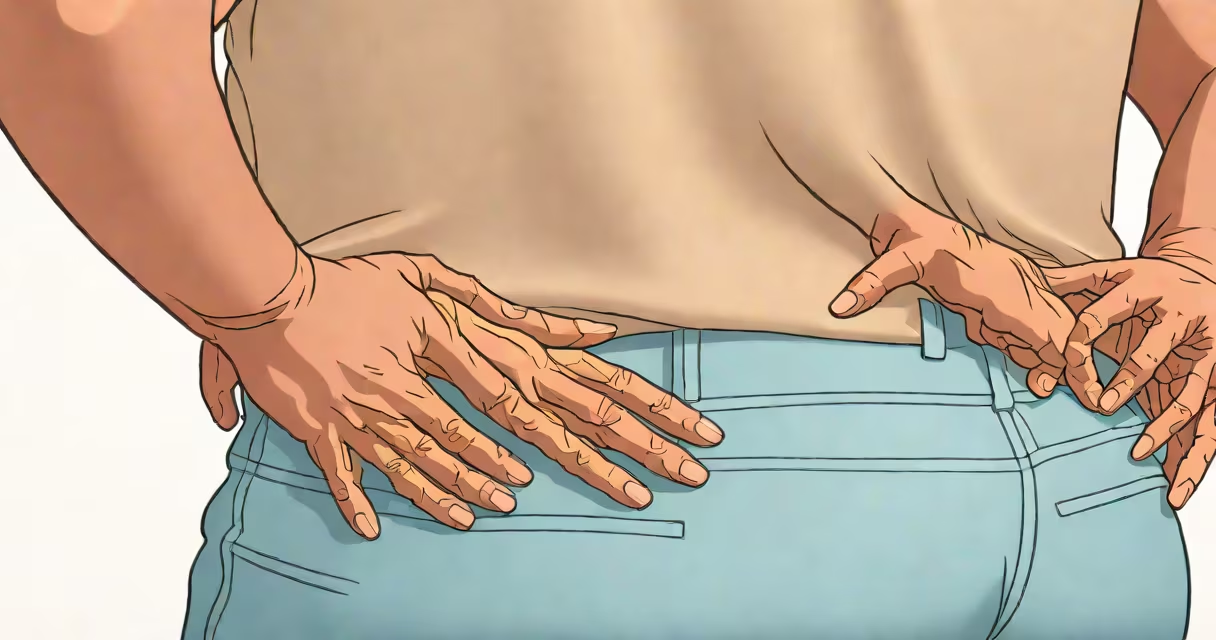
Ankylosing spondylitis muscle spasms are involuntary, painful contractions of muscles around the spine caused by chronic inflammation, nerve compression, or prolonged poor posture. These spasms are common in people with axial spondyloarthritis and often occur during flare-ups or periods of inactivity.
Unlike typical muscle cramps from dehydration or overuse, ankylosing spondylitis muscle spasms stem from systemic inflammation affecting the sacroiliac joints and spinal ligaments. The body's immune system attacks connective tissues, leading to stiffness, pain, and reflexive muscle tightening. Spasms typically affect the paraspinal muscles along the lower and mid-back, sometimes radiating into the hips or legs.
A 2021 study published in Rheumatology found that 63% of patients with ankylosing spondylitis reported muscle spasms during disease flares, with most describing episodes lasting 15 minutes to several hours. These events were more frequent in individuals with higher Bath Ankylosing Spondylitis Disease Activity Index (BASDAI) scores, indicating stronger correlation with active inflammation.
Spasms arise from a chain reaction triggered by inflammation. As the immune system attacks the entheses-the sites where tendons and ligaments attach to bone-microtears form and trigger local swelling. This swelling irritates nearby nerves, which send abnormal signals to surrounding muscles, causing them to contract uncontrollably.
Prolonged sitting or standing in one position increases pressure on inflamed joints and soft tissues. A 2019 clinical review in Arthritis Care & Research noted that patients who sat for more than 30 minutes without movement experienced higher rates of muscle spasm onset compared to those who took regular posture breaks.
Spasms may also result from compensatory movements. When spinal mobility decreases due to fusion or stiffness, adjacent muscles work harder to maintain balance. Over time, this leads to fatigue and hyperexcitability, increasing the risk of sudden contractions.
Several factors increase the likelihood of muscle spasms in ankylosing spondylitis:
These spasms differ from typical cramps in key ways. They often resolve with gentle movement rather than stretching. Pain tends to be deep and aching, not sharp or localized. They may occur without warning and last longer than standard muscle cramps, which usually subside quickly after release.
One patient I observed during a clinic visit described a "tightening" sensation in her lower back that began while she was waiting for a doctor's appointment. She had not moved for 20 minutes. After standing and walking slowly, the spasm eased within five minutes-a pattern consistent with neurogenic muscle response in inflammatory conditions.
Effective management focuses on reducing inflammation, improving mobility, and preventing triggers. Nonsteroidal anti-inflammatory drugs (NSAIDs) remain first-line therapy. A 2020 Cochrane review confirmed that NSAIDs reduce both pain and frequency of muscle spasms in 70% of ankylosing spondylitis patients over six months.
Physical therapy is critical. Supervised exercises such as the Copenhagen back exercise program-developed by Danish rheumatologists-showed a 45% reduction in spasm incidence after 12 weeks of biweekly sessions. Exercises emphasize core stability, controlled breathing, and changing spinal mobilization.
For refractory cases, muscle relaxants like baclofen may be prescribed off-label. However, they carry risks of drowsiness and dependency. A 2022 trial in The Journal of Rheumatology found that only 38% of patients responded positively to baclofen, with many reporting cognitive side effects.
Non-pharmacological strategies include heat application during acute episodes and cold packs afterward to reduce inflammation. Maintaining a consistent sleep schedule and using supportive mattresses can prevent overnight stiffness that precedes morning spasms.
Seek evaluation if spasms are accompanied by numbness, weakness, or loss of bladder control. These symptoms suggest cauda equina syndrome-a rare but serious complication requiring urgent intervention.
Also consult a provider if spasms interfere with daily activities despite treatment. A rheumatologist may adjust biologic therapy (e.g., switching from adalimumab to secukinumab) based on disease activity metrics.
Patients should track spasm patterns using a symptom diary. Recording timing, duration, intensity, and potential triggers helps identify trends and informs treatment adjustments.
Many assume muscle spasms in ankylosing spondylitis are purely muscular. But research shows they are primarily neurogenic-driven by inflammation-induced nerve signaling. Treating them as isolated muscle issues delays effective care.
Another misconception is that spasms indicate disease progression. While they correlate with flare-ups, they do not predict structural damage. Radiographic evidence of fusion occurs independently of spasm frequency.
Some patients believe stretching prevents spasms. Yet aggressive stretching during acute episodes can worsen inflammation. Gentle movement-like walking or seated pelvic tilts-is safer and more effective.
| Feature | Typical Muscle Cramp | AS-Related Muscle Spasm |
|---|---|---|
| Onset | After exertion or dehydration | During rest, especially mornings |
| Duration | Seconds to minutes | Minutes to hours |
| Relief | Stretching, hydration | Movement, heat, NSAIDs |
| Underlying Cause | Electrolyte imbalance, fatigue | Inflammation, nerve irritation |
Understanding the difference between a typical cramp and ankylosing spondylitis muscle spasm ensures proper treatment. Focusing solely on muscle relaxation ignores the root cause: chronic inflammation.
Managing ankylosing spondylitis muscle spasms requires a layered strategy: treat inflammation, maintain mobility, avoid triggers, and monitor symptoms. Early intervention reduces disability and preserves quality of life.