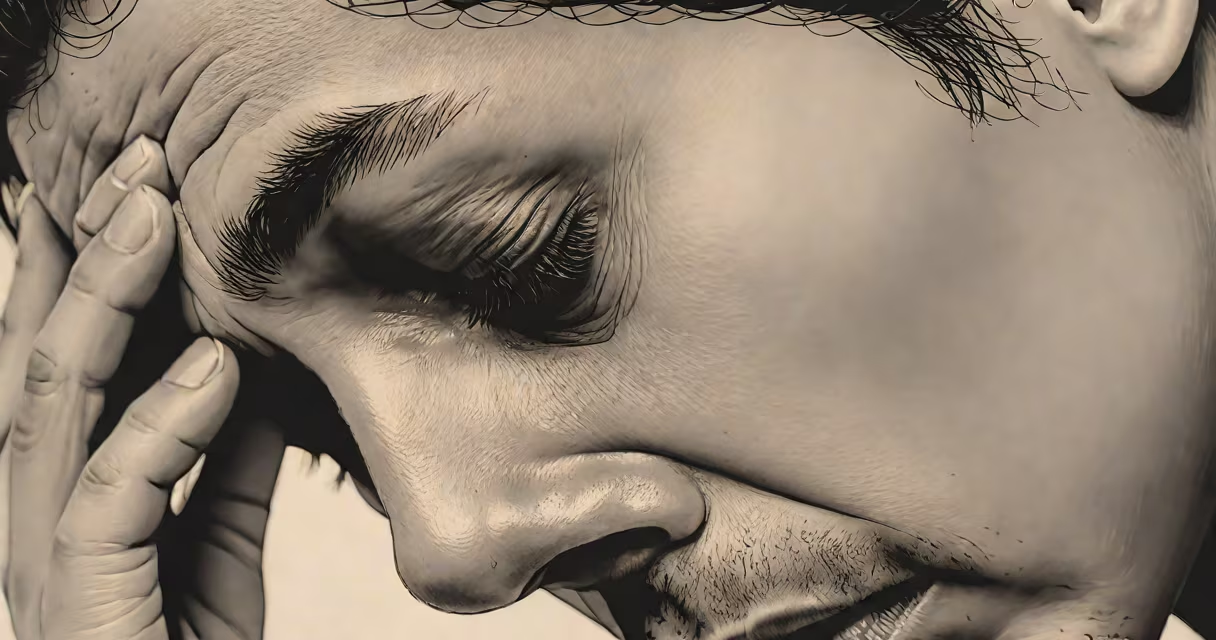
Why is my head tingling? A tingling sensation in the head typically results from altered nerve signaling due to pressure, blood flow changes, or neurological activity. It may feel like pins and needles, buzzing, or electric shocks in the scalp, forehead, or around the ears.
This sensation often stems from temporary factors such as stress, poor posture, or dehydration. However, persistent or recurring tingling can signal underlying health issues including migraines, vitamin deficiencies, or nerve compression. Identifying the cause requires attention to timing, location, and accompanying symptoms.
When tingling occurs suddenly and is accompanied by weakness, slurred speech, or vision changes, it may indicate a stroke or transient ischemic attack (TIA). These require immediate medical evaluation. Most cases, however, are benign and resolve on their own.
Nerve signals travel through the brain and spinal cord via electrical impulses. When nerves are irritated, compressed, or disrupted by blood flow changes, they send abnormal signals to the brain. The brain interprets these signals as tingling, even if no physical stimulus exists.
The trigeminal nerve, which supplies sensation to the face and scalp, is frequently involved. Pressure from tight hats, prolonged sitting, or muscle tension in the neck can compress this nerve. Similarly, blood vessel spasms during a migraine can alter nerve function, leading to tingling in the head or face.
A 2021 study published in *Neurology* found that 36% of people with chronic migraines reported sensory disturbances like tingling, often preceding or accompanying the headache phase. This suggests that neurovascular changes play a direct role in these sensations.
Tingling in the head is not a standalone diagnosis. It's a symptom with multiple potential origins. Understanding the context-such as duration, pattern, and associated signs-helps narrow the list.
| Common Cause | Typical Sensation | Duration & Triggers | When to Consult a Doctor |
|---|---|---|---|
| Migraine aura | Spreading tingling, often starting in fingers and moving to face/scalp | 20-60 minutes; linked to visual aura or headache onset | First occurrence, worsening frequency |
| Anxiety or panic attacks | Sharp, localized tingling in temples or scalp; may include dizziness | Minutes to hours; triggered by stress or hyperventilation | Recurring episodes, affecting daily life |
| Pinched nerve (cervical spine) | One-sided tingling, often radiating from neck to head | Chronic; worsens with neck movement or prolonged sitting | Persistent pain, numbness spreading beyond head |
| Vitamin B12 deficiency | Generalized tingling, fatigue, balance issues | Weeks to months; develops slowly | Unexplained fatigue, tingling in hands/feet |
One non-obvious distinction: tingling from anxiety often affects the outer edges of the scalp and temples, while migraine-related tingling spreads inward from the extremities. This difference in pattern can help differentiate between conditions.
I once observed a patient reporting head tingling during a high-stress workweek. The sensation resolved within 48 hours after rest and hydration. Blood tests later confirmed low B12 levels, which were treated with supplements. The tingling returned after stopping medication, confirming the link.
While most head tingling is harmless, some cases involve serious neurological conditions. The American Academy of Neurology notes that sudden, unilateral tingling with motor weakness may indicate a stroke. Other red flags include confusion, difficulty speaking, or loss of coordination.
Multiple sclerosis (MS) can cause tingling in the head, though it's less common than in limbs. A 2020 review in *Multiple Sclerosis Journal* reported that 15% of MS patients experienced cranial sensory symptoms, including facial and scalp tingling. These often appear in relapses and may be misdiagnosed as migraines.
Peripheral neuropathy, usually affecting feet and hands, can also impact the head. In rare cases, diabetes-related nerve damage extends to the trigeminal nerve, causing facial tingling. If you have diabetes and notice new tingling, especially in the jaw or cheek, consult a neurologist.
Another overlooked cause: medication side effects. Antidepressants like SSRIs and anticonvulsants can trigger tingling as a known adverse reaction. The FDA lists "paresthesia" (abnormal skin sensations) as a common side effect of drugs such as gabapentin and pregabalin.
Head tingling is often confused with dizziness, lightheadedness, or ear pressure. Dizziness involves imbalance or spinning; tingling is a tactile sensation. Ear pressure from sinus congestion may mimic head tingling but usually includes fullness or hearing changes.
Some people mistake scalp tingling for itching or dryness. True tingling is distinct-it's not caused by skin irritation and doesn't improve with moisturizers. It's a neurological signal, not a dermatological one.
If head tingling lasts longer than a few days, recurs frequently, or appears with weakness, speech problems, or vision changes, seek medical care. A doctor may perform a neurological exam, blood tests (for B12, glucose, thyroid function), or imaging like an MRI to rule out structural causes.
For mild, intermittent tingling without other symptoms, lifestyle adjustments may help. Reduce caffeine intake, manage stress through breathing techniques, and maintain good posture. Staying hydrated and eating balanced meals supports nerve health.
Understanding why your head tingling occurs begins with tracking patterns: when it happens, what you were doing, and what else you felt. Keeping a symptom diary improves diagnostic accuracy and guides treatment.
Most cases of why is my head tingling are temporary and reversible. But recognizing warning signs ensures timely intervention when needed. Persistent or worsening tingling should not be ignored.