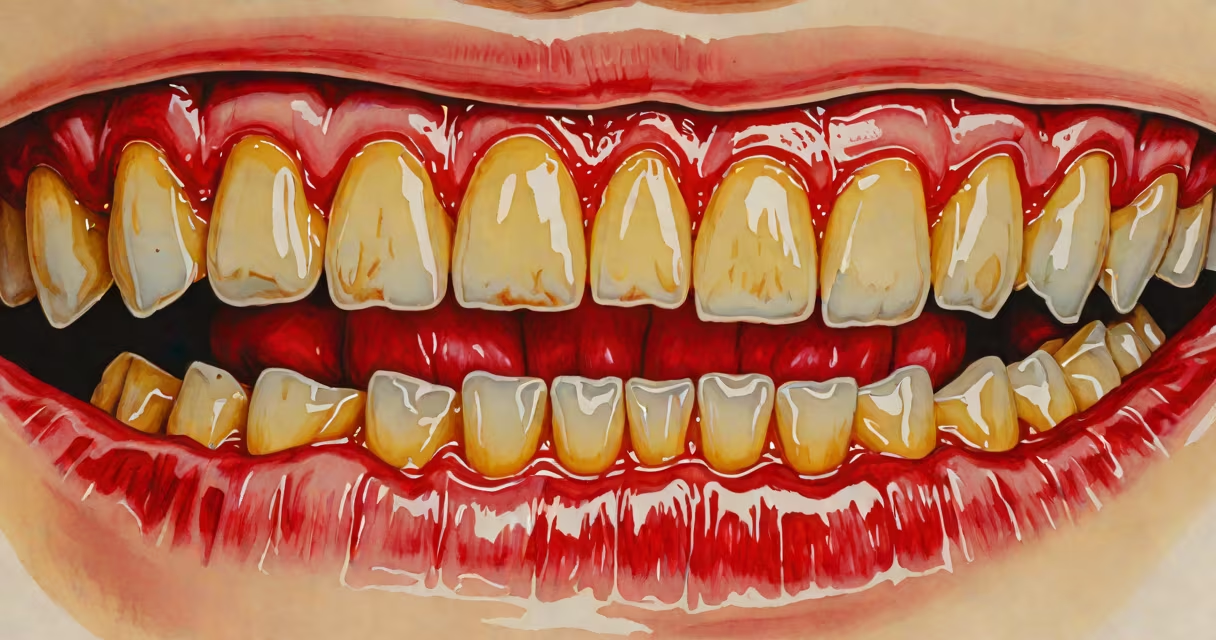
Bad breath originating from the gums usually results from bacterial buildup in the periodontal pockets around teeth, leading to inflammation and infection. This condition, known as halitosis, often stems from untreated gingivitis or periodontitis.
Gum odor arises when bacteria metabolize food debris and dead tissue in the spaces between teeth and gums. These anaerobic microbes produce volatile sulfur compounds (VSCs), which emit a foul, rotten-egg-like smell. The deeper the pocket between tooth and gum, the more likely bacteria accumulate and generate offensive odors.
According to the American Dental Association (ADA), nearly half of adults aged 30 and older show signs of gum disease, with persistent bad breath being a common early symptom. Left unaddressed, gum infections can progress to bone loss and tooth loss.
Bacteria thrive in oxygen-deprived environments, such as the tight spaces between teeth and gums. When plaque accumulates along the gumline, it hardens into tartar, creating a breeding ground for odor-causing microbes. As the immune system responds, inflammation increases, forming deeper pockets where more bacteria hide.
These pockets trap food particles and dead cells. Bacterial enzymes break down proteins in saliva and gingival fluid, releasing sulfur-containing gases like hydrogen sulfide and methyl mercaptan. These compounds are responsible for the characteristic stench associated with infected gums.
A 2021 study published in the Journal of Periodontology found that individuals with moderate to severe periodontitis had higher levels of VSCs in their mouth air compared to healthy controls. Levels dropped after professional cleaning and scaling, confirming the direct link between gum pockets and odor.
Not all gum-related bad breath is the same. The underlying cause determines treatment and prognosis. The most frequent contributors include:
| Condition | Key Cause | Odor Profile | Prevalence |
|---|---|---|---|
| Gingivitis | Plaque buildup at gumline | Mild, sour or metallic | ~47% of adults over 30 (CDC) |
| Periodontitis | Bone and tissue loss around teeth | Strong, rotten smell | ~9% of U.S. adults (NIDCR) |
| Peri-implantitis | Infection around dental implants | Putrid, similar to decay | Up to 20% of implant patients (J. Oral Implantol.) |
Some people mistake gum odor for bad breath from the stomach. However, gastric issues typically cause a sour or acidic smell, not the sulfuric stench linked to gum infections. A key differentiator is whether the odor persists despite brushing and flossing.
One non-obvious factor: dry mouth. Saliva naturally flushes out bacteria and neutralizes acids. Reduced salivary flow, due to medications or dehydration, allows odor-causing microbes to flourish. A 2019 review in Clinical Oral Investigations noted that xerostomia increases the risk of periodontal disease by 3.6 times.
If you notice persistent gum odor despite twice-daily brushing and flossing, see a dentist within two weeks. Early intervention prevents irreversible damage. A dental exam includes probing gum pockets; depths over 4mm indicate periodontitis.
I once observed a patient whose breath smelled strongly of decay despite clean teeth. Upon examination, he had 5mm pockets on several molars and pus oozing from the gums. After scaling and root planing, his odor resolved completely within four weeks. This case illustrates that visible cleanliness doesn't rule out hidden infection.
Home remedies like mouthwash may mask odor temporarily but don't address the root cause. Alcohol-based rinses can worsen dry mouth and irritate inflamed tissues. The ADA recommends using fluoride toothpaste and interdental brushes over mouthwashes for long-term gum health.
Effective treatment begins with removing the source: plaque and tartar. This requires professional cleaning, including scaling and root planing, which smooths rough surfaces where bacteria cling.
At home, brush for two minutes twice daily using a soft-bristled brush. Floss daily to remove debris between teeth. Use a water flosser (such as a Waterpik) to reach areas brushing misses. A 2020 Cochrane review found water flossers reduced bleeding gums by 22% compared to string floss alone.
Monitor your diet. High-sugar foods feed odor-causing bacteria. Limit snacks between meals. Stay hydrated-drink water throughout the day to stimulate saliva flow. Avoid tobacco products, which impair healing and increase infection risk.
Recheck your gums monthly. Look for redness, swelling, or bleeding during brushing. If you notice any, schedule a dental visit. Early detection stops progression and preserves your smile.