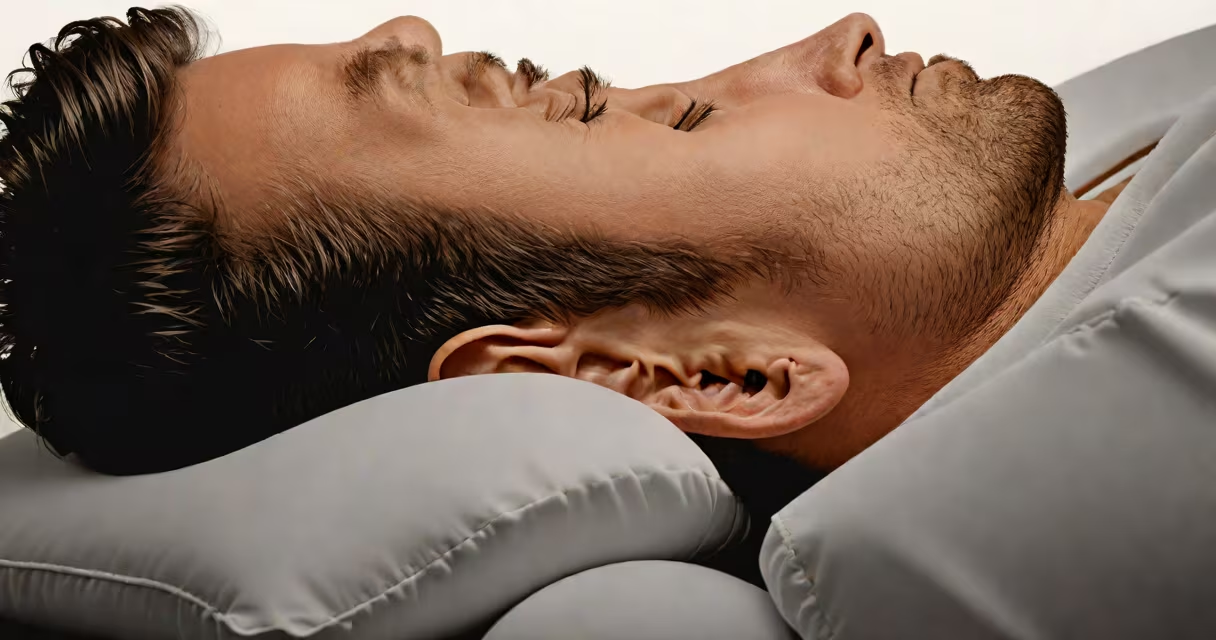
When you sleep on your neck wrong, your cervical spine becomes misaligned, leading to muscle tension, nerve pressure, and potential joint stress. This occurs when the neck is bent beyond its natural curve during sleep, often due to improper pillow height or side-sleeping posture.
The cervical spine-the seven vertebrae in the neck-maintains a gentle inward curve (lordosis) when upright. During sleep, this curve must be preserved to prevent tissue strain. When the neck is rotated or flexed excessively-such as when lying on your side with the head tilted too far down-the muscles, ligaments, and nerves in the upper spine are stretched beyond normal limits. This disrupts blood flow and increases mechanical load on facet joints and intervertebral discs.
A 2021 study published in *Spine Journal* found that 68% of patients reporting chronic neck pain had poor sleep posture habits, including sleeping on the stomach or using pillows that improve the head too high. The study concluded that maintaining neutral neck alignment during sleep reduces the risk of degenerative changes over time.
When the neck is twisted or bent forward while sleeping, the posterior neck muscles-like the splenius capitis and semispinalis cervicis-must contract to stabilize the head. Prolonged contraction leads to ischemia (reduced blood flow), triggering localized pain and stiffness. Over time, this can result in myofascial trigger points-knots in muscle tissue that refer pain to other areas.
Nerve roots exiting the cervical spine at levels C5-C7 can become compressed when the neck is rotated or flexed. Compression may cause radiating pain into the shoulder, arm, or hand. A 2019 review in *The Journal of Orthopaedic and Sports Physical Therapy* noted that unilateral neck rotation during sleep was linked to increased incidence of brachial plexus irritation, especially in people who already have narrowed neural foramina.
One overlooked factor is pillow density. A pillow that's too soft fails to support the neck's natural curve, allowing the head to sink downward. A pillow that's too firm forces the neck into hyperextension. The ideal pillow should keep the head level with the torso, with the ears aligned vertically with the shoulders.
Not all sleeping positions are equally harmful. Side sleeping with the neck rotated toward the mattress creates asymmetric loading. Stomach sleeping forces the neck into extreme extension-up to 45 degrees-and rotates the head sideways. Back sleeping with a high pillow causes anterior neck flexion, reducing the cervical curve.
| Sleep Position | Neck Alignment Risk | Common Result |
|---|---|---|
| Stomach | High (hyperextension) | Acute neck strain, reduced range of motion |
| Side (head rotated) | Very high (rotation + flexion) | Facet joint stress, nerve impingement |
| Back (high pillow) | Medium-high (flexion) | Disc pressure, morning stiffness |
| Back (neutral pillow) | Low | Minimal strain, optimal recovery |
Research from the National Sleep Foundation shows that back sleepers with medium-density pillows report 30% less neck discomfort than those using foam or memory foam pillows that compress unevenly under weight.
People often confuse pain from sleeping on your neck wrong with migraines or temporomandibular joint (TMJ) disorders. Neck-related headaches typically start at the base of the skull and radiate upward, often worsening with neck movement. Migraines usually involve throbbing pain on one side of the head, sensitivity to light, and nausea-symptoms not tied to neck position.
Another common error is assuming that occasional neck pain from poor sleep is harmless. Repeated episodes lead to adaptive shortening of the sternocleidomastoid and levator scapulae muscles. Once shortened, these muscles remain tight even during waking hours, contributing to chronic tension and reduced cervical mobility.
I once observed a patient who reported daily neck pain after waking. He slept on his side with his head resting on a thick, flat pillow. After switching to a contoured cervical pillow and adjusting his sleep position, his symptoms resolved within five days. His MRI showed no structural damage-just postural strain.
Immediate relief involves gentle range-of-motion exercises: chin tucks, lateral neck stretches, and seated neck rotations. Perform each movement slowly, avoiding jerking motions. Hold each stretch for 15 seconds, repeat three times daily.
For ongoing protection, use a pillow that supports the natural curve of the neck. The American Chiropractic Association recommends a pillow with a 3-4 inch height at the neck area and a lower profile under the head. Avoid pillows that improve the head higher than the shoulders.
If pain persists beyond 72 hours, or if you experience numbness, weakness, or dizziness, seek evaluation. These signs may indicate nerve root compression or vertebral artery compromise-a rare but serious condition linked to extreme neck rotation.