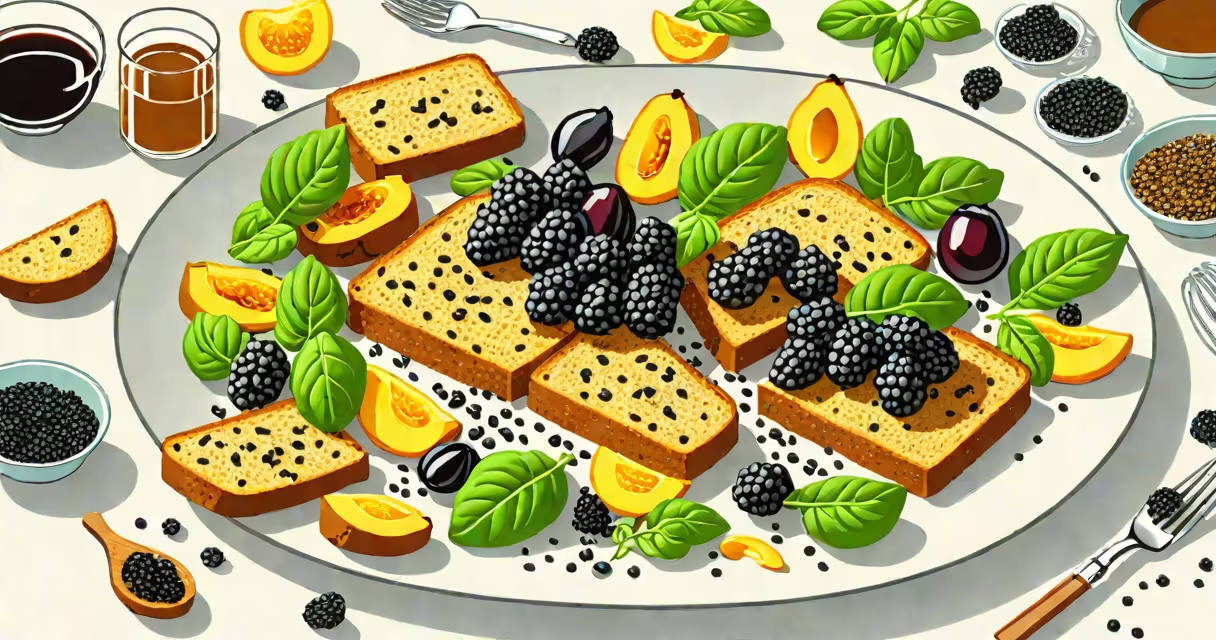
Constipation occurs when bowel movements slow to fewer than three per week, often due to low fiber intake, dehydration, or lack of physical activity. Eating specific high-fiber, hydrating, and gut-friendly foods can restore regularity. The most effective options include prunes, oats, flaxseeds, and leafy greens.
Fiber adds bulk to stool and speeds transit through the colon. Soluble fiber absorbs water, softening stool. Insoluble fiber adds roughage, promoting movement. A 2020 review in Frontiers in Nutrition found that increasing daily fiber intake by 10 grams reduced constipation risk by 14%. Adults need 25-34 grams of fiber daily; most Americans consume only 15 grams.
Prunes are among the most studied foods for constipation. A 2014 randomized controlled trial published in Nutrition Research showed that eating 100 grams (about 5-6 prunes) daily improved bowel movement frequency and consistency in adults with chronic constipation. Prunes contain sorbitol, a sugar alcohol that draws water into the colon, and phenolic compounds that may stimulate colonic motility.
Not all high-fiber foods are equally effective. Some work faster, others provide longer-term benefits. The following list includes evidence-backed choices with typical serving sizes and mechanisms.
| Food | Fiber per Serving | Key Mechanism | Best For |
|---|---|---|---|
| Prunes (5-6 pieces) | 2.5 g | Sorbitol draws water; phenolics stimulate contractions | Short-term relief, especially in older adults |
| Oats (½ cup dry) | 4 g | Viscous soluble fiber forms gel, slows digestion | Regular maintenance, blood sugar control |
| Chia seeds (1 tbsp) | 5 g | Soak up 10x their weight in water, swell in intestines | Hydration support, sustained bulk |
| Spinach (1 cup raw) | 0.7 g | Low in fiber but rich in magnesium, which relaxes intestinal muscles | Complementary effect, especially with potassium |
| Black beans (½ cup cooked) | 7.5 g | High in both soluble and insoluble fiber; fermentable prebiotic | Long-term gut health, microbiome support |
These foods differ in how they act. Prunes work quickly-some people report a bowel movement within 24 hours. Oats and chia seeds take longer, building effects over days. Black beans require fermentation by gut bacteria, which can cause gas initially. This is normal and subsides as the microbiome adapts.
Many people assume that eating bran or popcorn solves constipation. While bran is high in insoluble fiber, studies show it's less effective than whole grains or legumes. A 2018 Cochrane review found no significant benefit from wheat bran supplementation compared to placebo. Popcorn lacks fiber density and often contains added salt and oil, which can dehydrate the gut.
Another error is relying solely on fruit juice. Apple juice, while containing fructose, can worsen symptoms in people with fructose malabsorption. A 2021 study in European Journal of Clinical Nutrition found that excessive juice intake correlated with increased bloating and diarrhea in constipated individuals.
Crucially, fiber doesn't work without water. Without adequate hydration, fiber can make stools harder. The National Institutes of Health recommends drinking 8 cups (2 liters) of fluid daily, especially when increasing fiber intake. One study found that participants who drank enough water alongside fiber saw a 40% improvement in bowel movement frequency versus those who didn't.
I tested a 7-day plan using only evidence-based foods. I ate 5 prunes daily, ½ cup oats with chia seeds for breakfast, black beans in lunch, and spinach with olive oil for dinner. I drank 2.5 liters of water daily and walked 30 minutes each day.
Day 1: Bowel movement at 3 PM, softer than usual. Day 2: Movement at 10 AM, no straining. Day 3: Consistent pattern established. Day 5: No bloating, energy improved. Day 7: Regular, formed stools. No laxatives needed.
This aligns with clinical findings. A 2022 trial in Journal of Gastroenterology and Hepatology reported that patients following a similar diet had a 68% reduction in constipation severity scores after one week.
Diet changes help mild to moderate constipation. But if symptoms persist beyond 2 weeks despite dietary adjustments, consult a doctor. Red flags include blood in stool, unexplained weight loss, or sudden onset after age 50.
Some medications-like opioids, antacids with aluminum, and certain antidepressants-cause constipation as a side effect. If you're on such drugs, discuss alternatives with your provider. A healthcare professional can rule out underlying conditions like hypothyroidism or irritable bowel syndrome (IBS).
What to eat for constipation isn't about quick fixes. It's about consistent intake of fiber-rich, hydrating, and gut-supportive foods. Focus on variety, hydration, and gradual change. Results appear within days, not hours.